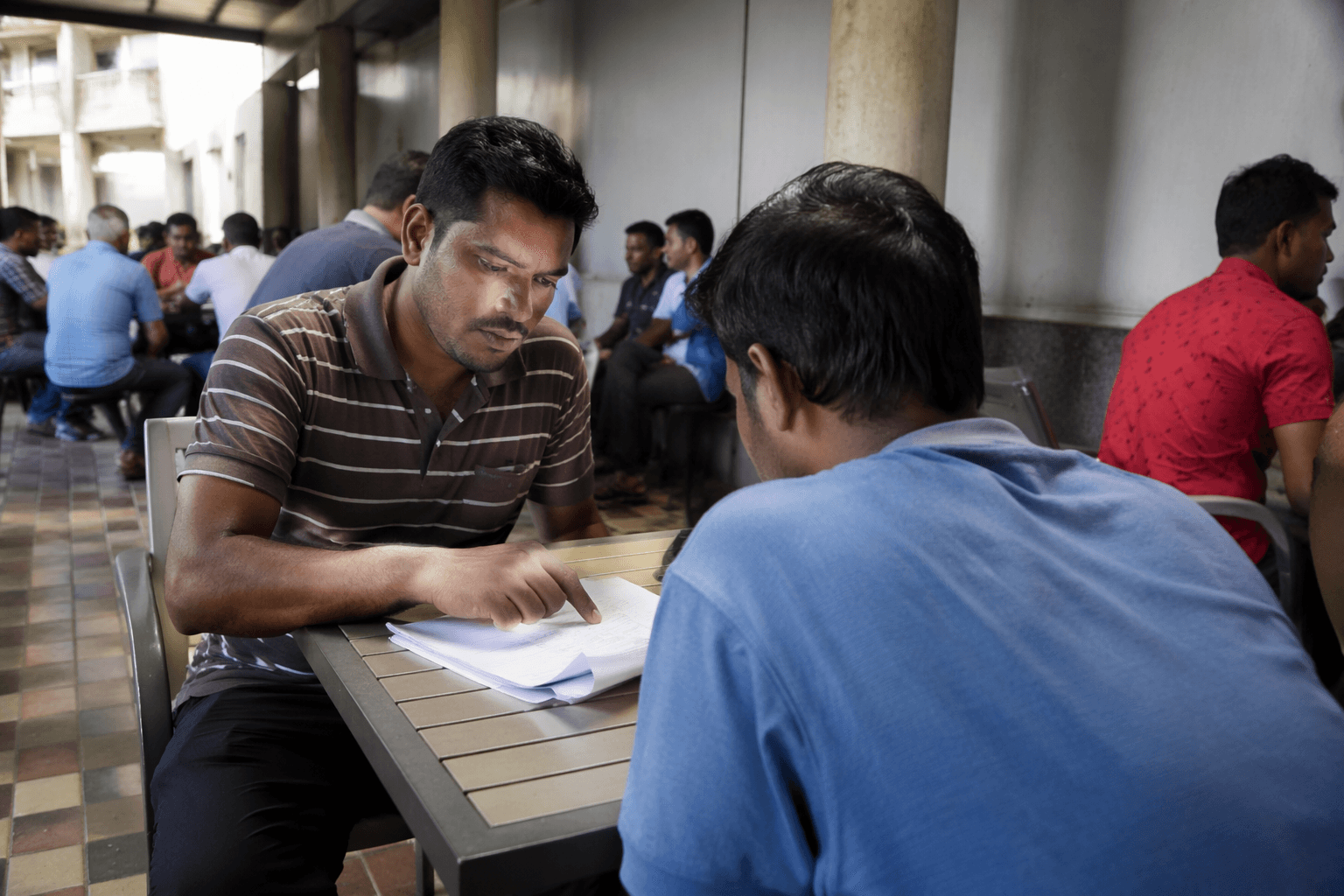
Cartels turn Celaya soccer fields into battlegrounds for teens
Celaya’s teen soccer league has become cartel territory, with fields in Guanajuato pulled into recruitment, extortion and killings that no longer spare children’s recreation.

Gunmen opened fire at a soccer field in Salamanca, Guanajuato, on January 26, killing at least 11 people and wounding 12, a brutal reminder that even a youth pitch can become cartel terrain. In Celaya, that logic has advanced further: local cartels have co-opted a teen soccer league as part of the same criminal economy that already reaches into extortion, fuel theft and neighborhood control. Guanajuato, where six cartels are disputing criminal control, has become a laboratory for how organized crime colonizes ordinary civic life.
Celaya has long sat at the center of that conflict. Reuters reporting in 2025 described the city as an epicenter of cartel war and one of the world’s highest homicide rates, while municipal authorities responded by firing more than half the police force after a mayoral candidate was executed in broad daylight. The security vacuum has made public spaces harder to defend, and soccer fields, once neutral ground for teenagers, now carry the same risk calculations as streets, markets and gas stations.
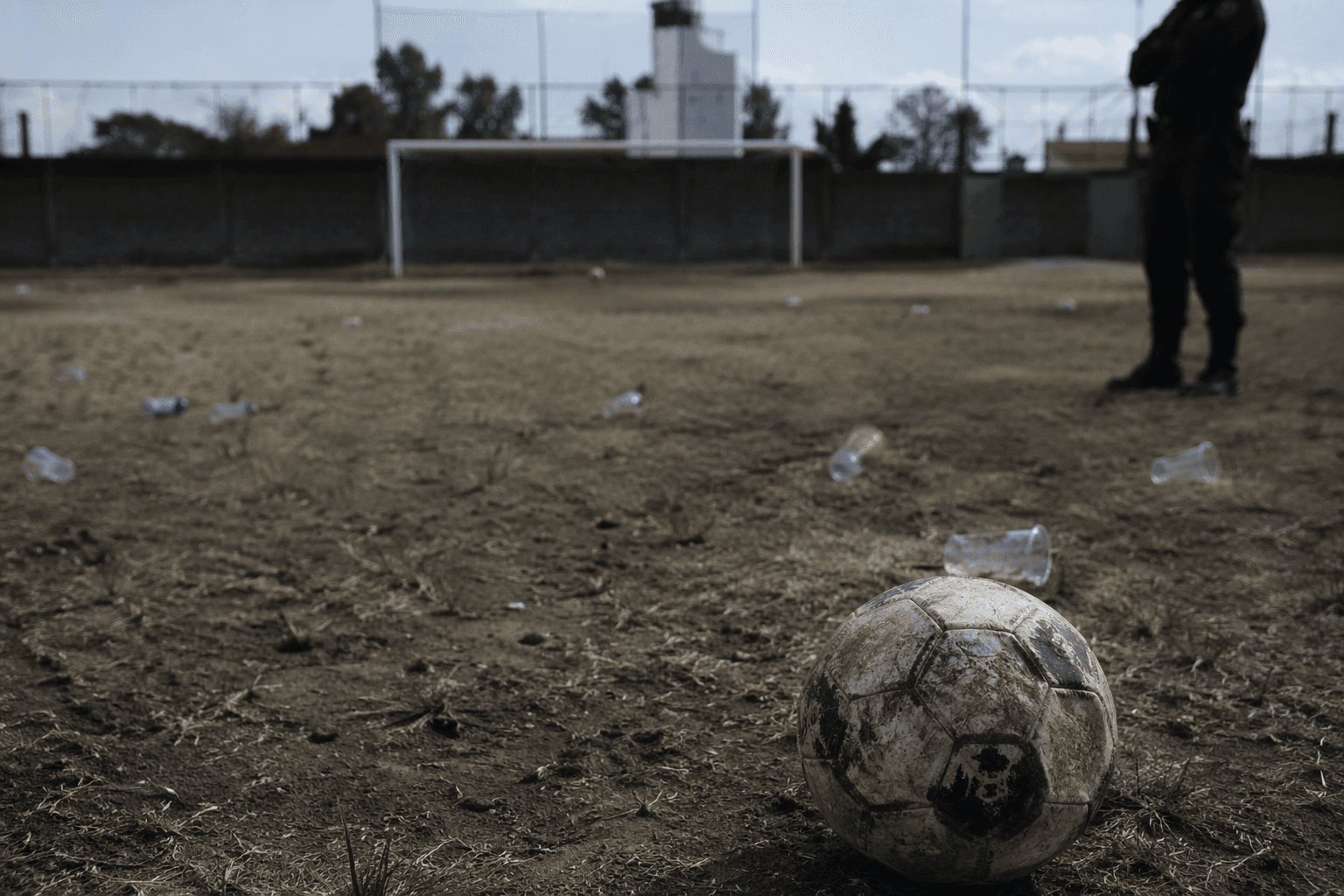
The threat is not limited to gunfire. A 2025 investigation found that cartels are recruiting children as young as six, and one estimate put 30,000 children inside criminal groups in Mexico. That helps explain why a youth league is valuable to criminal organizations: it offers access to teenagers, money from families and teams, and a visible perch in neighborhoods where territorial control matters as much as revenue. In a cartel economy built on coercion, the soccer pitch becomes another place to signal who rules.
The fear travels well beyond Celaya. In Ciudad Juárez, Norma Laguna’s daughter, Idaly Juache, a striker, vanished two days after her Sunday-night game in 2010. Recent reporting has tied soccer to missing-person cases, public memory and fear in cities from Ciudad Juárez to World Cup host sites such as Guadalajara, Mexico City and Monterrey, where a former cartel prison site was turned into Liberty Park and children now play soccer. The same field that can offer release for one neighborhood can, in another, become a map of who is safe, who is watched and who is being recruited.
This article was produced by Prism’s automated news system from verified source data, official records, and press releases, then run through automated quality and moderation checks before publishing. The system is built and supervised by the people who set the standards it runs under. Read our full AI policy.
Did this article answer your question?