China places 40 Japanese entities under new export restrictions
China blacklisted 40 Japanese entities and tightened dual-use exports, pulling Mitsubishi, Fujitsu and defense-linked institutes deeper into a supply-chain fight.
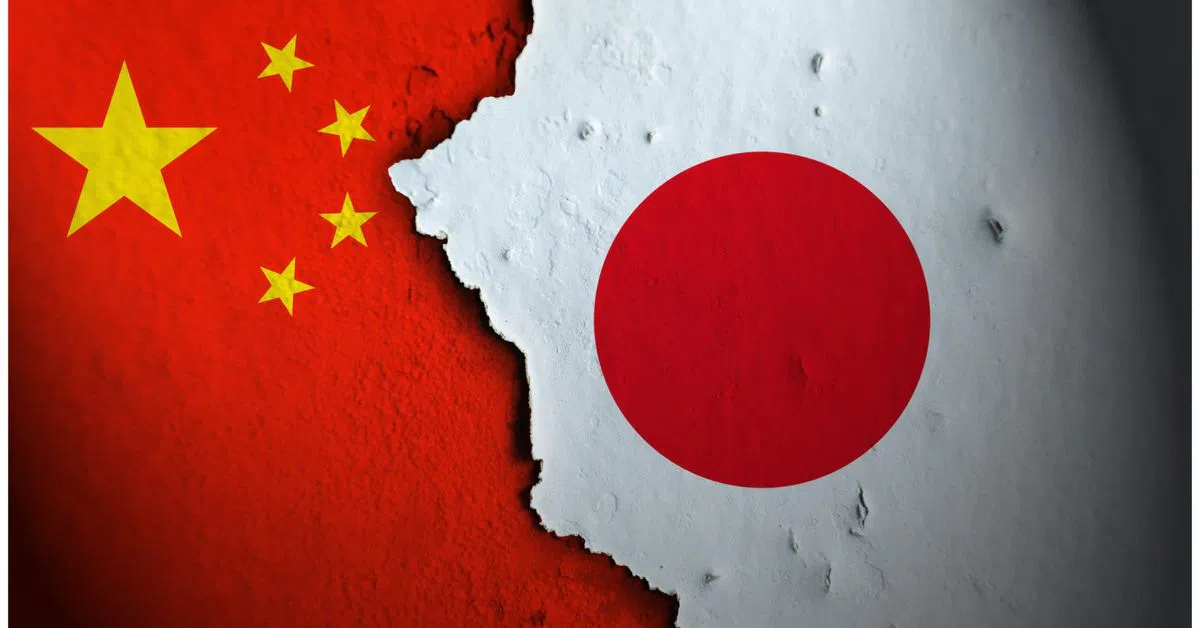
China put 40 Japanese entities under new export restrictions, tightening pressure on Tokyo with measures that took effect immediately and forced ongoing export activity to stop. Beijing split the package into two tiers: 20 entities went on a control list that blocks Chinese and foreign exporters from sending them Chinese-origin dual-use goods, while another 20 were added to a watch list that requires special licenses, risk assessments and written pledges before shipments can move.
The June 29 move reached well beyond one corporate name. Multiple divisions of Mitsubishi Corporation were included on the control list, while the watch list covered Mitsui E&S and divisions of Fujitsu and Komatsu. The June package also drew attention because it reached into government-linked research bodies, a sign that Beijing is targeting not only commercial supply chains but also the institutions that feed Japan’s defense-industrial base.
That makes the restrictions more than a bilateral trade dispute. Dual-use items can serve civilian and military purposes, so a single licensing decision can affect aerospace production, sensors, shipbuilding, drones, marine systems and defense research at the same time. China’s commerce ministry said exports involving Japanese military users, military applications or any end use that could strengthen Japan’s defense capabilities would not be approved. For companies sitting in the middle of regional manufacturing networks, that turns export control into a security weapon with direct effects on procurement, parts flow and research timelines.
Beijing had already used the same playbook in February, when it placed 20 Japanese entities on a control list and barred exports of Chinese dual-use items to them. Those names included Mitsubishi Heavy Industries Shipbuilding, Kawasaki Heavy Industries Aerospace Systems, Fujitsu Defense & National Security, NEC Network and Sensor Systems, Japan Marine United, Japan’s National Defense Academy and the Japan Aerospace Exploration Agency. A separate February watch list also caught firms including Subaru, TDK and FUJI Aerospace Technology, showing how far the restrictions now reach into Japan’s industrial base.
Tokyo moved quickly to reject the latest action. Chief Cabinet Secretary Minoru Kihara called the measures unacceptable and demanded their withdrawal. The timing sharpened the message: on the same day, Japan’s Ground Self-Defense Force said it had deployed a Type-12 missile launcher on Minamitorishima, a remote Pacific island, as Japan continues its defense buildup and seeks a bigger role for weapons exports. That buildup follows Sanae Takaichi’s warning last year that a Chinese attack on Taiwan could trigger a Japanese military response, a dispute that has helped drag trade tools into the center of Asia’s security politics.
This article was produced by Prism’s automated news system from verified source data, official records, and press releases, then run through automated quality and moderation checks before publishing. The system is built and supervised by the people who set the standards it runs under. Read our full AI policy.
Did this article answer your question?