Pakistan strikes Afghan border targets, killing militants and civilians
Rival death tolls climbed into the dozens after Pakistan hit border targets in Afghanistan, with one Paktia home strike blamed for most civilian casualties.
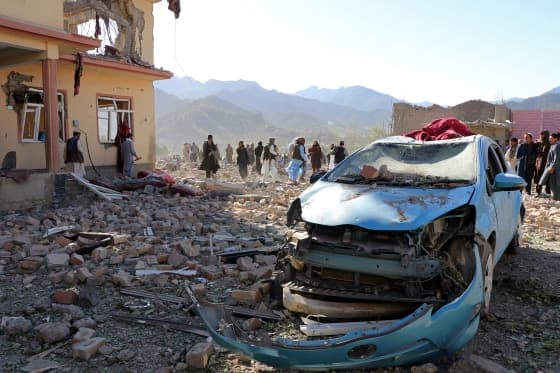
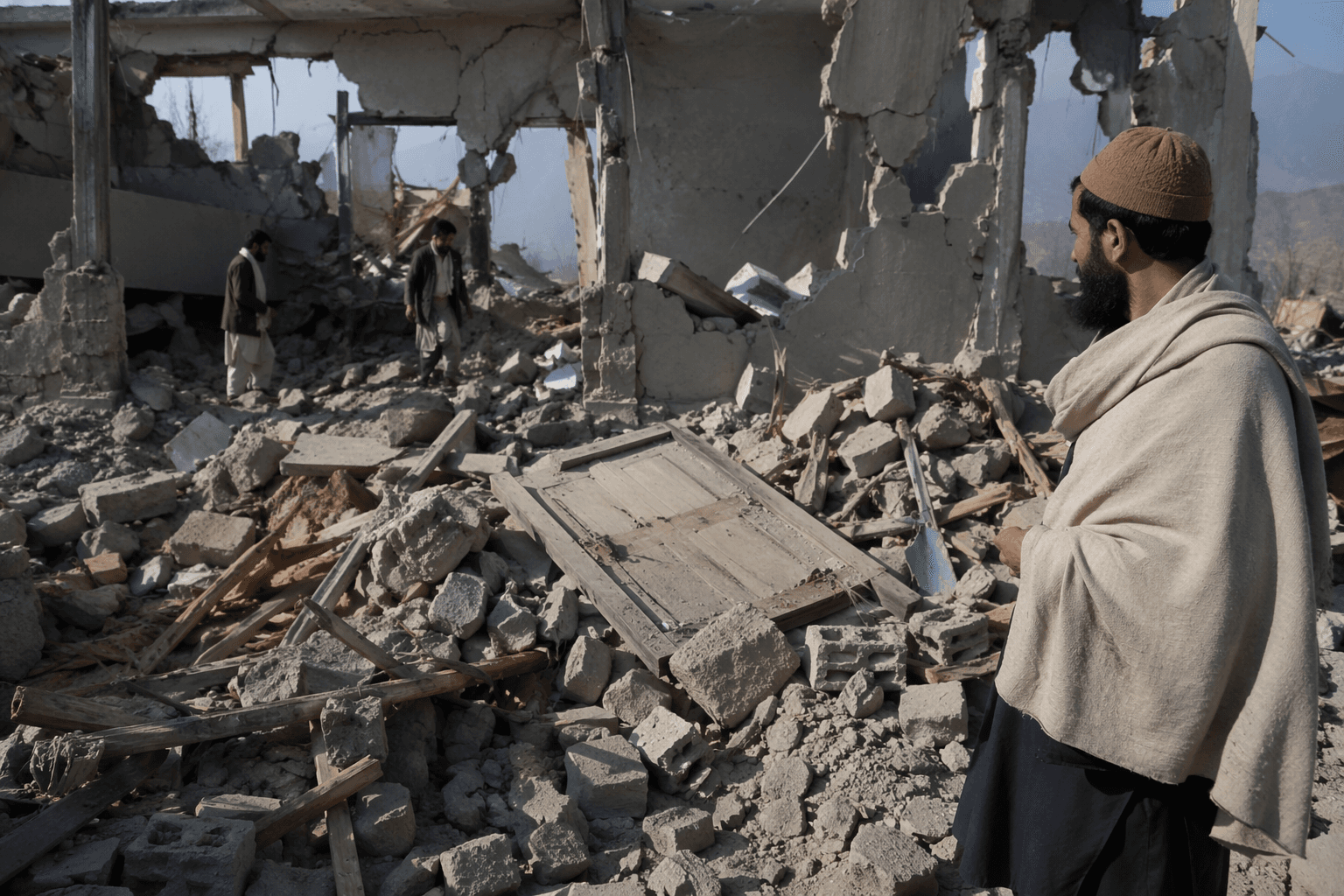
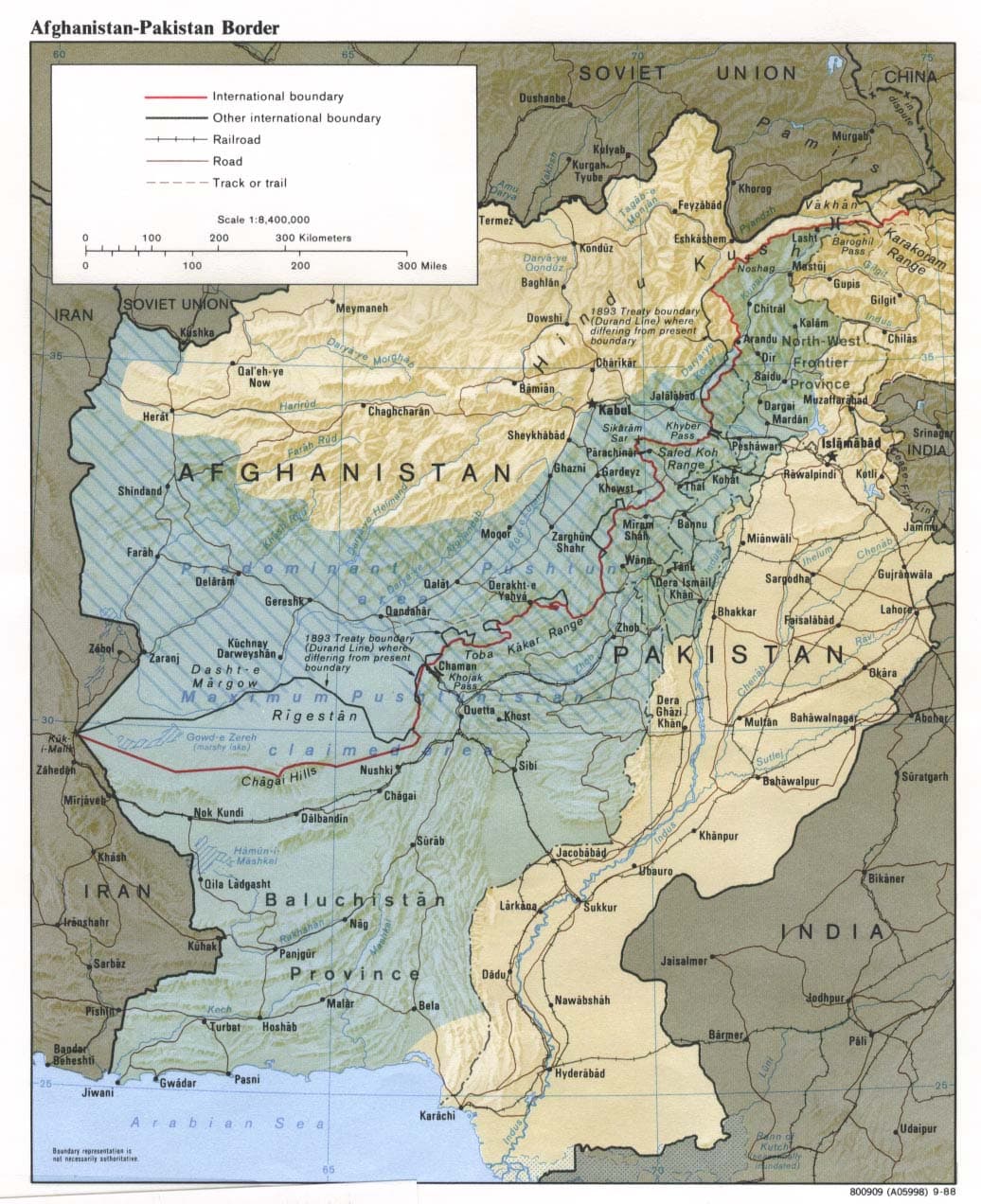
Pakistan's security forces killed militants in ground and air strikes along the Afghanistan border while Afghan officials said the attacks left at least 36 civilians dead and 163 wounded, most of them in one home strike in Paktia province that killed 28 people and injured 158. Pakistan said the operation targeted militant hideouts and safe havens in Paktia, Paktika and Kunar, and that its forces killed 29 fighters, including 25 in airstrikes and four in ground attacks in Bajaur.
The Afghan Foreign Ministry summoned Pakistan's charge d'affaires over what Kabul called an airspace violation and bombing of civilian homes. Afghan Taliban spokesman Hamdullah Fitrat condemned the strikes as a humanitarian crime and an act of aggression, while Pakistan's Information Minister Attaullah Tarar said the action answered recent militant attacks inside Pakistan.
Tarar tied the operation to a Saturday assault on a Sindh Rangers facility in Karachi that killed three Pakistani soldiers. Jamaat-ul-Ahrar, a breakaway faction of the Pakistani Taliban, claimed responsibility for that attack, reinforcing Islamabad's argument that groups fighting Pakistan can still find shelter and planning space across the border.
The exchange sharpened one of South Asia's most dangerous fault lines. Pakistan and Afghanistan have traded accusations over cross-border militant sanctuaries since the Taliban returned to power in Afghanistan in 2021, and the two sides fought their worst battle in years in February 2026. Hostilities over the past several months have killed hundreds of people, while China-led mediation efforts have so far failed to produce a durable settlement.
The latest strikes also raised the risk of spillover beyond the immediate frontier. Each attack, each counterclaim and each civilian death feeds pressure on already fragile border security, gives armed groups more room to maneuver and deepens mistrust between Kabul and Islamabad just as both governments face pressure to show they can contain militancy without widening the conflict.
This article was produced by Prism’s automated news system from verified source data, official records, and press releases, then run through automated quality and moderation checks before publishing. The system is built and supervised by the people who set the standards it runs under. Read our full AI policy.
Did this article answer your question?