Trump says U.S.-Iran talks will resume as ceasefire strains
Trump said U.S. and Iranian officials would meet in Doha on Tuesday, even as Tehran denied any meeting and fresh strikes rattled the Strait of Hormuz.

President Donald Trump said U.S. and Iranian officials would meet in Doha, Qatar, on Tuesday, even as Tehran denied that any such session had been scheduled and the latest exchange of fire kept the ceasefire under strain. The diplomacy now rests on whether both sides are testing a pause or buying time after each claimed a military edge.
Trump said on social media that Iran had requested the meeting, and U.S. officials said the two sides would “stand down for now” while talks remained “on track.” Iranian officials, including senior negotiator Kazem Gharibabadi, pushed back and said no meeting had been set. The gap between those accounts left the next round of talks uncertain even as both governments kept talking as if the channel remained open.
The fighting centered on the Strait of Hormuz, the narrow waterway that carries roughly a fifth of the world’s oil, a fact that makes every strike there carry immediate economic weight far beyond the Gulf. U.S. forces struck 10 Iranian targets in and near the strait, according to the reporting cited in the conflict updates. In response, Iran’s Islamic Revolutionary Guard Corps said it fired missiles and drones at U.S. sites in Kuwait and Bahrain.
Bahrain said one Iranian drone hit a residential building in Muharraq, underscoring how quickly the confrontation spread from military targets to civilian areas. The strikes gave each side something to point to: Washington could argue it imposed costs on Iranian military infrastructure around a strategic chokepoint, while Tehran could claim it reached U.S. assets in the region and widened the pressure beyond the battlefield over the waterway.
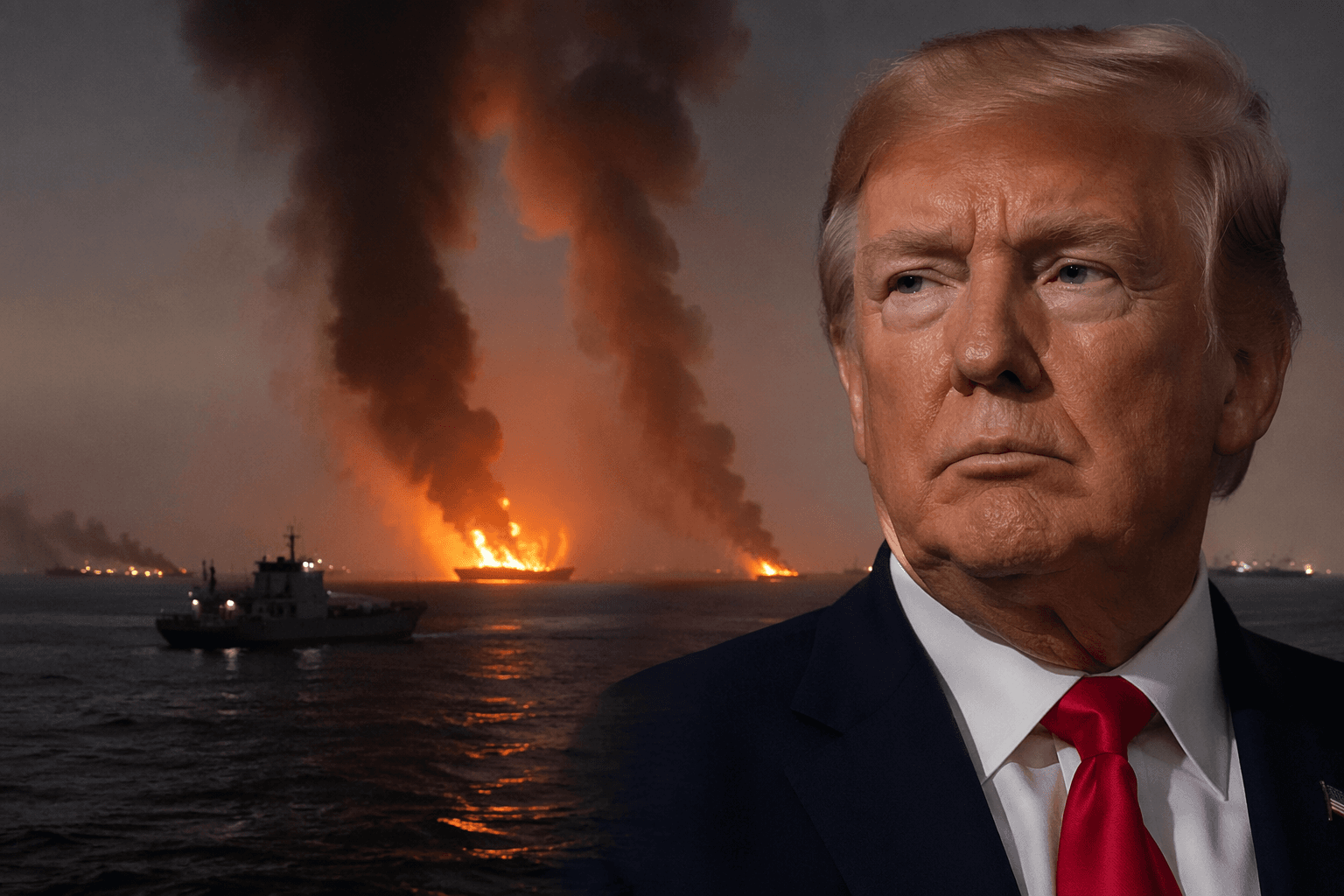
If the Doha talks happen, the immediate agenda is expected to center on keeping vessels moving through the Strait of Hormuz and preventing the next round of attacks from choking off a route that mattered even before the war began. The ceasefire is no longer being treated as a stable truce, only as a fragile interim understanding that both sides have already tested with direct fire.
Trump had already said negotiations were continuing while Israel and Iran traded strikes on June 8, a sign that diplomacy has moved in lockstep with combat rather than behind it. That pattern now leaves the U.S. and Iran trying to convert military pressure into leverage at the table before the next strike redraws the terms again.
This article was produced by Prism’s automated news system from verified source data, official records, and press releases, then run through automated quality and moderation checks before publishing. The system is built and supervised by the people who set the standards it runs under. Read our full AI policy.
Did this article answer your question?