Lebanon’s Berri rejects U.S.-brokered Israel deal, warns of division
Berri said the U.S.-brokered framework with Israel would split Lebanon and never be carried out, putting the deal at risk before it reaches the border.
Nabih Berri, Lebanon’s parliament speaker and a key Hezbollah ally, denounced the U.S.-brokered framework with Israel, saying it would deepen division inside Lebanon and would not be carried out. His rejection immediately put the agreement’s political durability in question, even as Israeli officials projected implementation in the coming days and no visible steps appeared on the ground.
The U.S. State Department said the United States, Israel and Lebanon signed the Trilateral Framework on June 26, with language aimed at restoring Lebanese sovereignty, disarming Hizballah, dismantling its infrastructure and setting up a trilateral Military Coordination Group for Lebanon, or MCG4L. That followed U.S.-facilitated meetings on April 14, May 14-15 and June 2-3, including a 45-day extension of the April 16 cessation of hostilities agreement. Washington described the April 14 session as the first major high-level engagement between Israel and Lebanon since 1993.
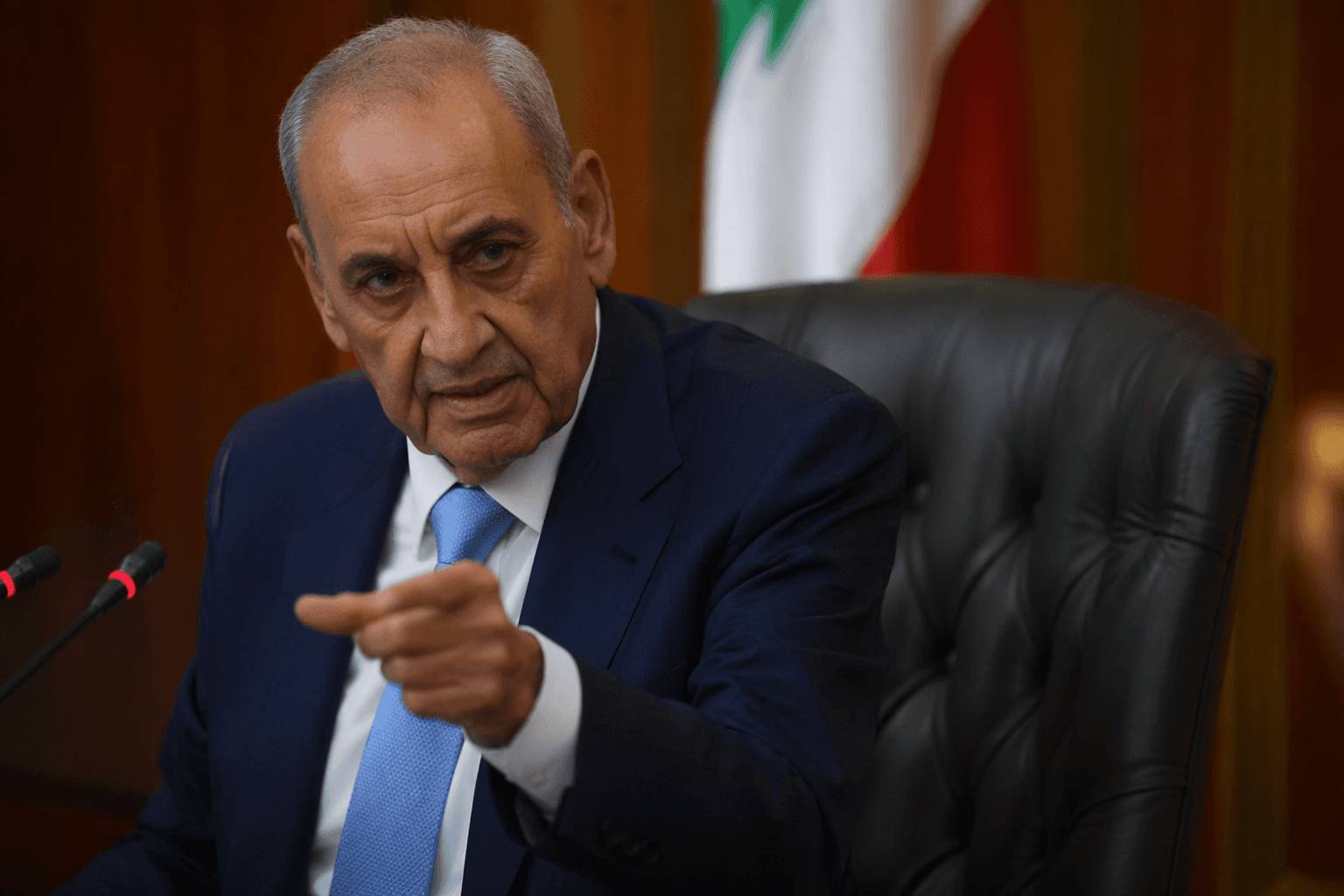
The obstacle is not only the deal’s terms but the map of power inside Lebanon. Berri sits at the center of the Shiite political establishment, with formal authority as speaker and informal weight as a central interlocutor on any issue touching Hezbollah or the southern front. When Berri moves against a U.S.-backed accord, he is signaling that the agreement lacks consensus among one of the country’s most important power centers before it can even reach the implementation stage.
Berri told al-Akhbar that Iran-U.S. negotiations were the only realistic opportunity to secure an Israeli withdrawal from Lebanon, and that separating Lebanon from that track would prolong Israeli occupation. Hezbollah has rejected the accord as a surrender and as “dictates,” while Benjamin Netanyahu has praised the framework and said Israeli forces could remain in southern Lebanon if Hezbollah does not disarm. That leaves Lebanon’s government caught between outside pressure and an internal split that could stall diplomacy, weaken the state’s claim to speak for all Lebanese factions and keep the border on a hair trigger.
This article was produced by Prism’s automated news system from verified source data, official records, and press releases, then run through automated quality and moderation checks before publishing. The system is built and supervised by the people who set the standards it runs under. Read our full AI policy.
Did this article answer your question?