Fuel shortages spread from Crimea to Moscow after Ukrainian strikes
Queues at a Lukoil pump in Rostov-on-Don showed fuel shortages spreading from Crimea to Moscow after Ukrainian strikes hit Russian refineries.
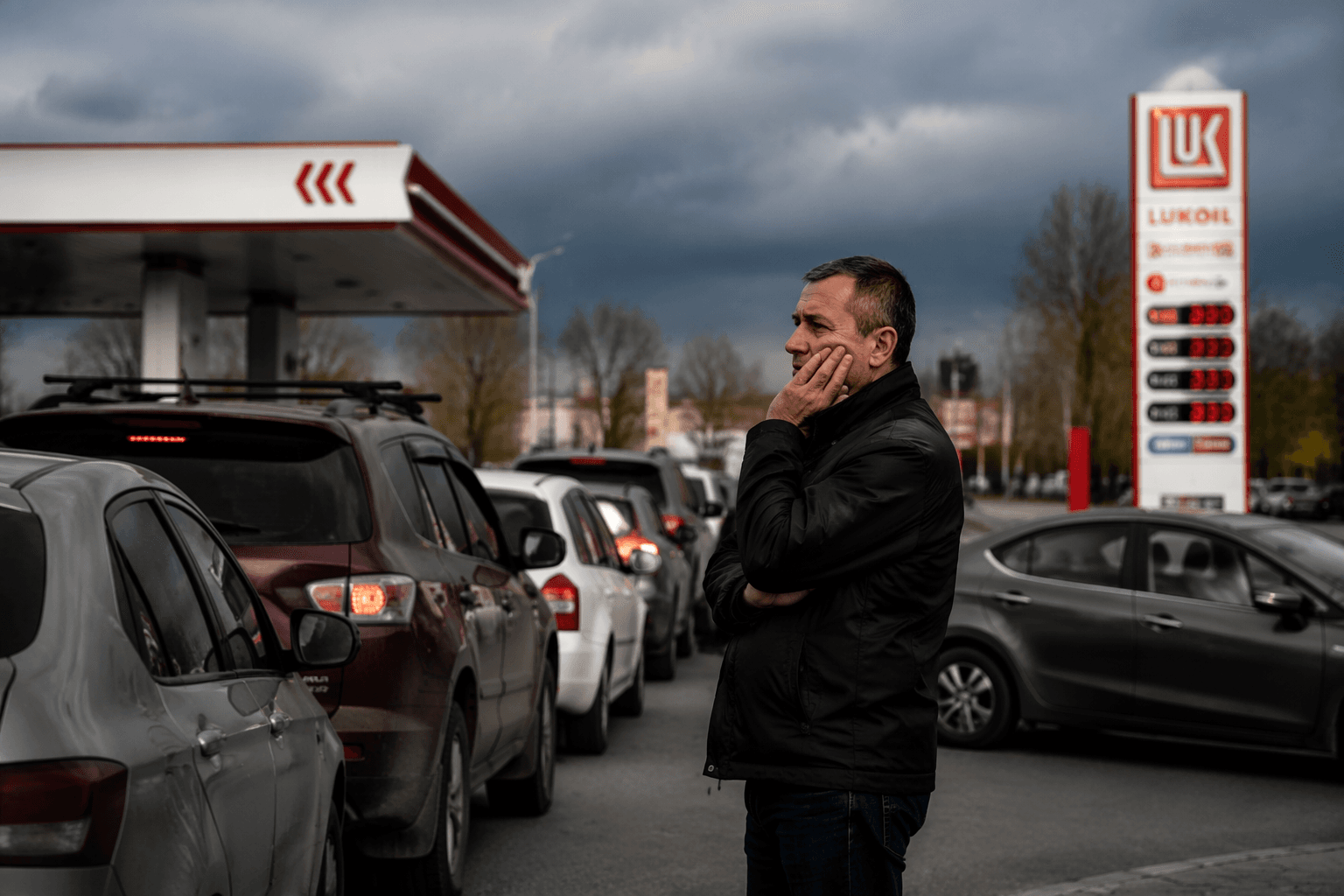
Vladimir Putin acknowledged on June 29 that Russia was facing fuel shortages after Ukrainian strikes, as the disruption spread from Russian-annexed Crimea into southern Russia and Moscow. Photos from Rostov-on-Don on June 23 and June 29 showed vehicles queuing to refuel at a Lukoil petrol pump, while local officials linked empty and constrained supplies at filling stations to production cuts at major refineries.
Russia's parliament moved three days earlier, approving amendments to the Tax Code on June 24 to ease the pressure, including subsidies for fuel imports. The step signaled how quickly refinery damage was rippling beyond military targets and into the state’s fiscal response as the war reached the country’s fuel market.
The strain was also visible in prices. Rosstat said Russian petrol rose 3.02% in the week of June 16-22, from 69.11 rubles to 71.20 rubles a litre, one of the sharpest weekly increases in about two decades. For motorists, that meant more than inconvenience: higher pump prices and fewer supplies threatened transport costs, freight movement and the delivery chains that keep cities and farms moving.
Volodymyr Zelensky said Ukrainian strikes hit two Russian oil refineries over the weekend, underscoring the campaign against energy infrastructure that has become central to the war’s economic pressure. The fact that shortages reached Moscow carried particular weight because the capital has long been shielded from the most immediate effects of the fighting. When fuel becomes scarce there, the problem is no longer confined to the borderlands or the annexed peninsula; it reaches the political center of Russia itself.
By June 29, the Kremlin was responding with tax changes, import subsidies and a public acknowledgment from Putin that the shortages were real and under pressure from Ukrainian strikes.
This article was produced by Prism’s automated news system from verified source data, official records, and press releases, then run through automated quality and moderation checks before publishing. The system is built and supervised by the people who set the standards it runs under. Read our full AI policy.
Did this article answer your question?