Thousands flee South Africa ahead of anti-migrant deadline
Police flooded South Africa’s cities as thousands of migrants left or queued to leave before an anti-migrant deadline officials said had no legal force.
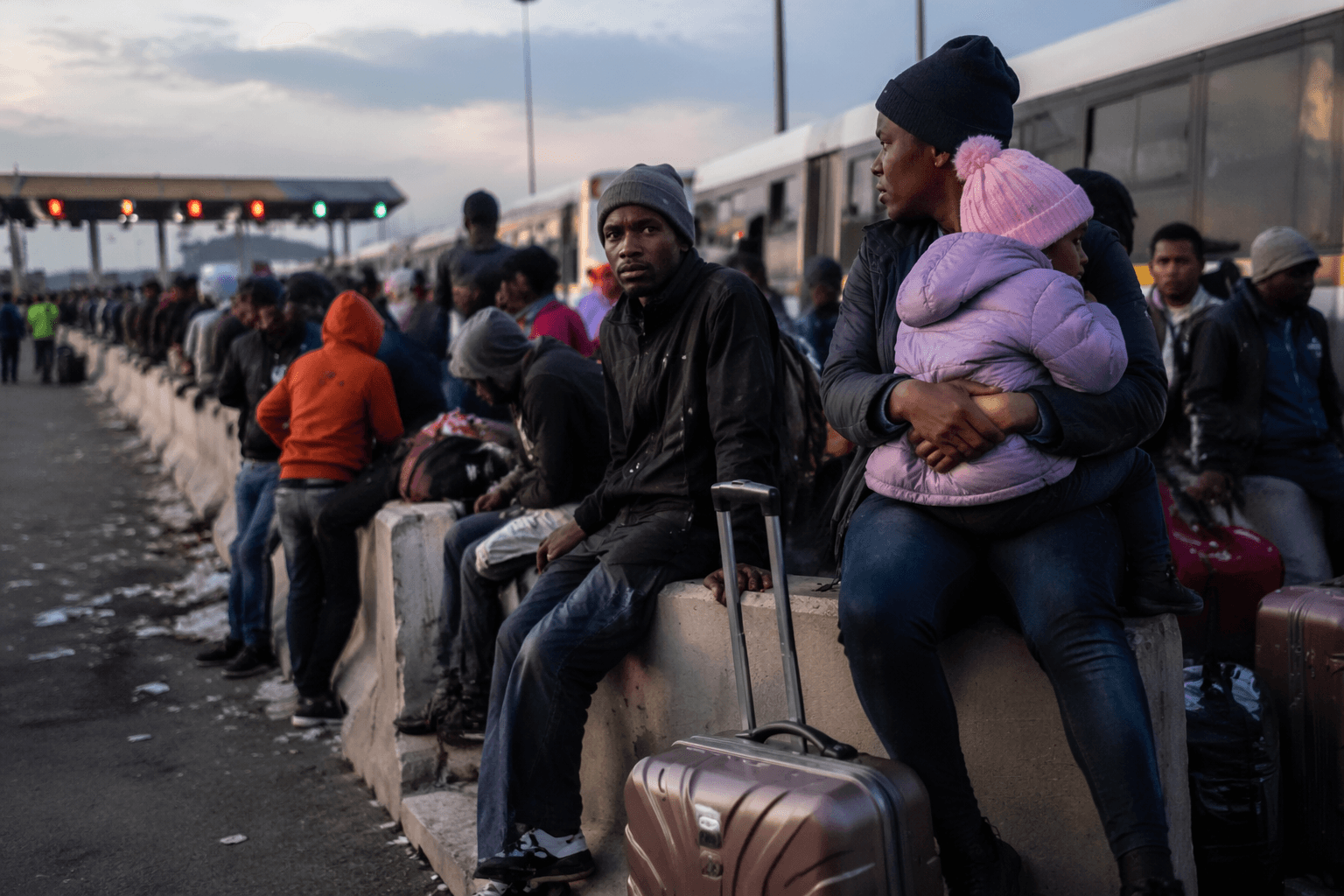
Thousands of foreign nationals left South Africa or waited to do so on Tuesday as anti-migrant groups pressed an unofficial June 30 deadline, and police mounted a heavy security presence across major cities while the military stood by to secure airports and other strategic sites if needed.
From Durban to Cape Town and Johannesburg, shops closed early in some areas, buses stood idle and neighborhoods such as Hillbrow, Mayfair and Alexandra were noticeably quiet as residents braced for unrest. Authorities said the ultimatum for undocumented migrants to leave had no legal basis, but anti-immigrant groups, including the March and March movement, still planned nationwide marches to mark the date.
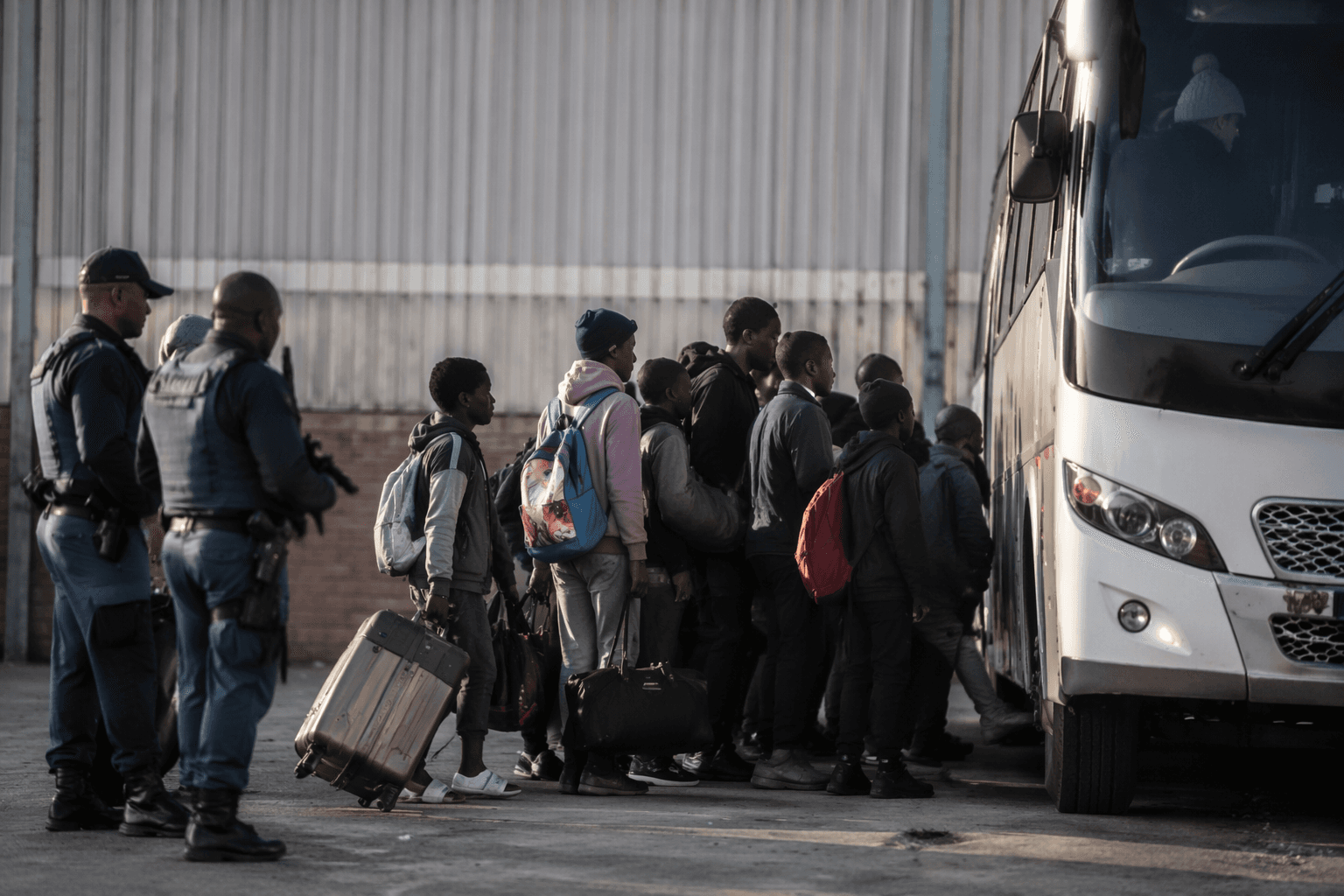
President Cyril Ramaphosa urged protesters not to use intimidation, threats or ultimatums, and police said violence, vandalism, looting and other criminality would not be tolerated. Gauteng premier Panyaza Lesufi said the large deployment was meant to protect South Africans, not inflame tensions, as officers were sent to key urban centers and border-linked sites.
The security buildup followed weeks of xenophobic unrest that had already forced thousands of migrants to flee or seek repatriation. South African police put the number at more than 25,000 in recent weeks, mostly to other African countries, and about 442 Malawians were waiting to be repatriated at the Malawian Consulate in Johannesburg. In Cape Town, Zimbabweans were also waiting to leave, while in Durban temporary camps held foreign nationals preparing to cross out of the country before the deadline.
South Africa’s foreign-national population is large, with official figures showing more than three million documented foreign nationals living in the country. Unemployment is above 30 percent, and rhetoric has tied migrants to crime and job competition. Jacinta Ngobese-Zuma said the marches are meant to be peaceful and that the government, not the organisers, should be blamed if lawlessness breaks out.
Riots in 2008 killed 62 people, violence in 2015 and 2016 spread through urban neighborhoods, and unrest in 2019 left at least 12 people dead.
This article was produced by Prism’s automated news system from verified source data, official records, and press releases, then run through automated quality and moderation checks before publishing. The system is built and supervised by the people who set the standards it runs under. Read our full AI policy.
Did this article answer your question?