Casa Malpais Offers Cultural Insight, Raises Access and Safety Questions
Casa Malpais in Springerville is a town managed archaeological site from the late Mogollon period that draws visitors for its Great Kiva, rock art and solar and astronomical alignment features. As interest grows, Apache County faces practical questions about visitor safety, accessibility and equitable access to a key White Mountains cultural attraction.

Casa Malpais, housed at the Springerville Heritage Center, is one of eastern Apache County's most significant archaeological and cultural sites. Dating to the late Mogollon period around the thirteenth century, the site sits in a basalt flow setting and features a Great Kiva, an ancient staircase, rock art and a solar and astronomical alignment feature that draws both researchers and tourists. The visitor experience centers on museum exhibits of pottery and tools and an interpretive video, with guided tours of the ruin that begin at the museum and include a field tour of about three quarters of a mile that is often a steep hike on uneven surfaces.
Local officials and community members see Casa Malpais as an important economic and cultural asset for the region, but increased visitation brings public health and safety considerations. The field route can be strenuous and remote. Visitors are advised to wear sturdy shoes and bring water. Tours are guided only and reservations are recommended during peak seasons, and visitors should check current hours and closure days before traveling. Those practical notes are more than convenience tips for locals. They reflect community responsibilities to reduce preventable injuries, ensure timely emergency response and accommodate older adults and people with mobility limitations.
From a public health perspective the site highlights broader issues for Apache County. Emergency planning for remote cultural sites, clear signage about terrain and hydration, and investment in trained staff or volunteer guides can reduce strain on emergency medical services. From a healthcare policy and social equity angle, accessibility matters. The steep field route limits access for many residents, and town managed stewardship presents an opportunity to expand inclusive programming, interpretive materials and outreach to nearby communities so that the cultural value of Casa Malpais is shared more equitably.
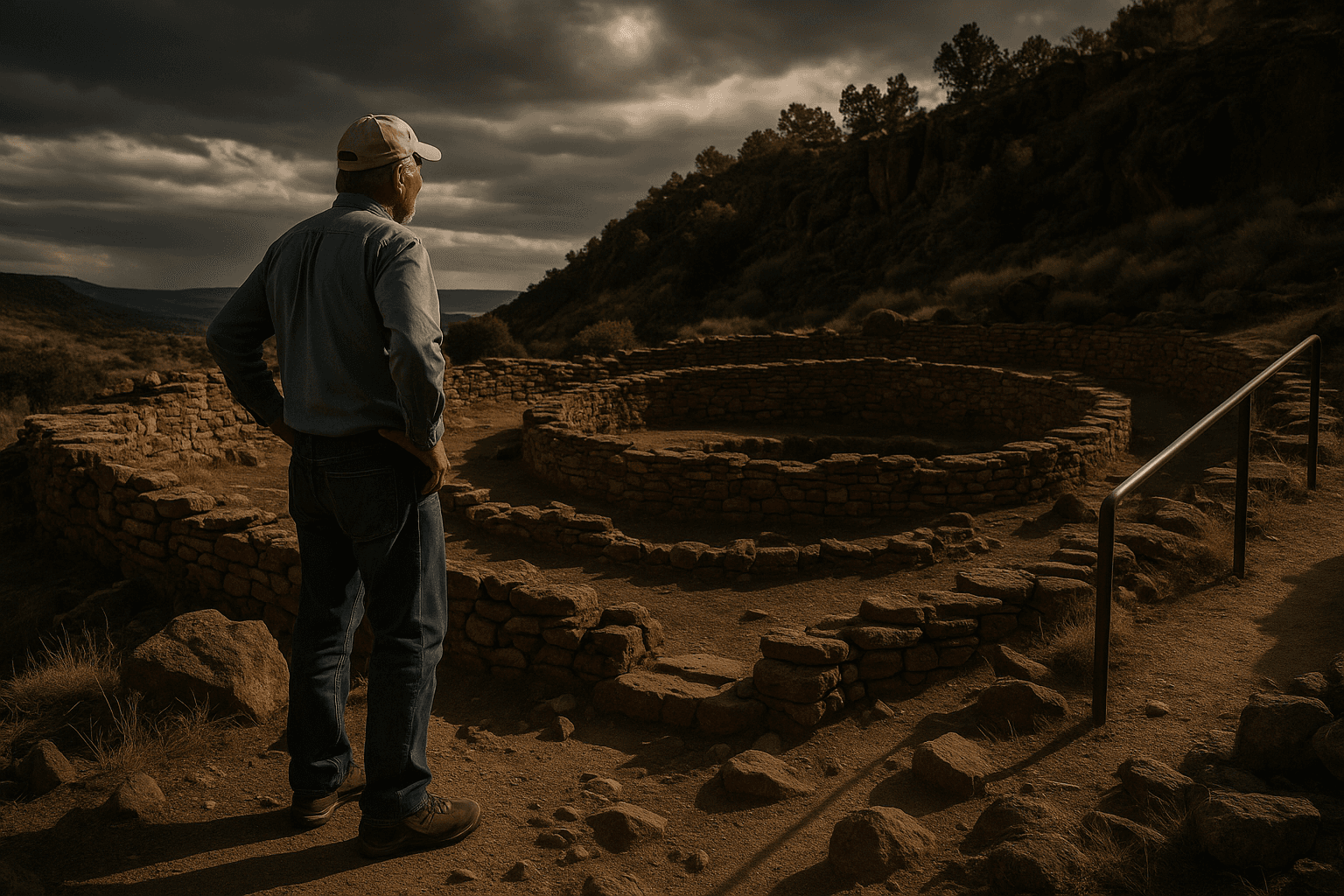
Preserving the archaeological integrity of Casa Malpais while making it welcoming and safe will require coordination between town managers, county public health and emergency services, and cultural stakeholders. For now plan ahead, respect guided tour rules, and prepare for a challenging but meaningful visit to one of the White Mountains most important cultural sites.
Sources:
Know something we missed? Have a correction or additional information?
Submit a Tip