Catamaran Cruising Essentials: Docking, Weight Management, Reefing, Maneuvering, Anchoring
Twin engines, flat hulls and wide beams mean cats handle and respond differently than monohulls; this guide explains docking, weight, reefing, manoeuvring and anchoring to keep cruising safer and more comfortable.
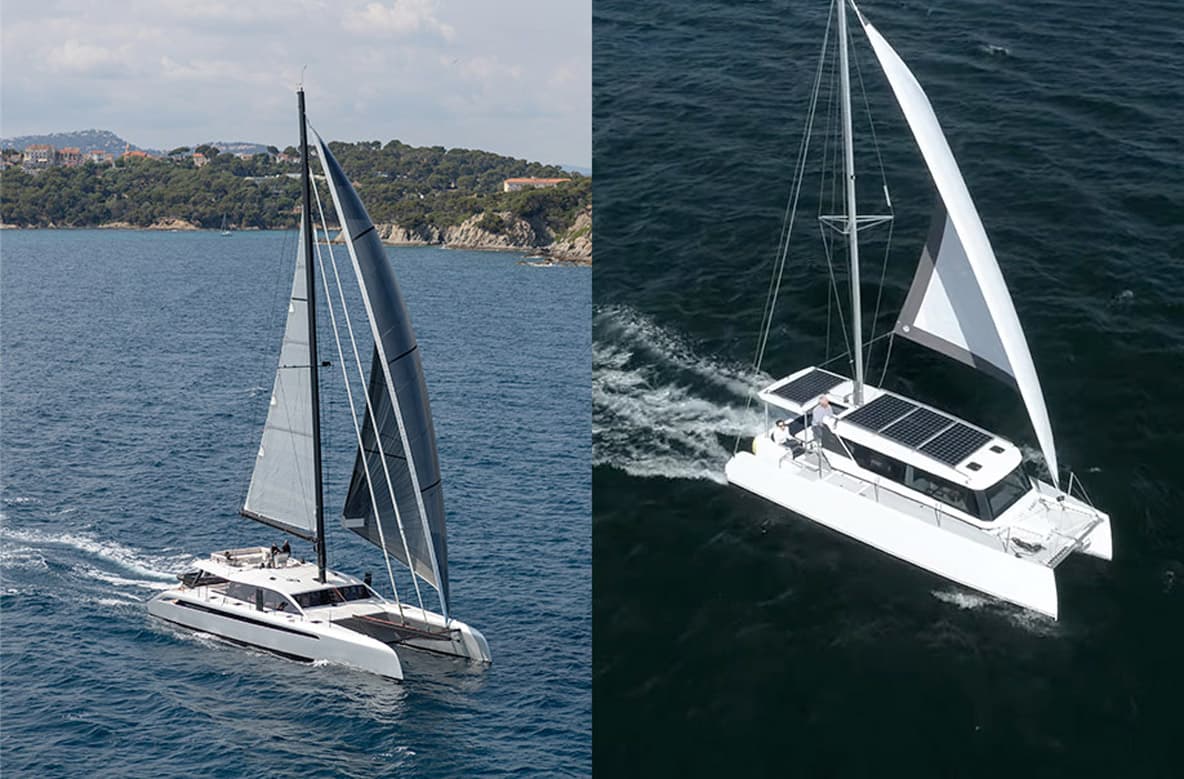
Twin engines and a wide beam are your greatest allies and your biggest surprises when cruising a catamaran. The way a cat pivots on power, accelerates under sail and swings at anchor changes the rules of thumb many sailors learned on monohulls. Learn to use those differences to your advantage: approach docks at slow speed, use differential throttle and short bursts of thrust for precise pivots, and plan crew positions to keep lines and fenders ready ahead of time.
Docking begins with preparation. With engines in hand you can pivot with one prop forward and the opposite prop astern; practice this in calm conditions to build confidence. Counteract prop walk by alternating brief bursts rather than long, full-throttle shifts, and keep a crew member on the bow with heaving line and a long boat hook. Walk-on berths are easier on cats; aim to slow to a comfortable few tenths of knot before stepping off to avoid surprises.
Weight management on a multihull is not optional - it shapes trim, acceleration and safety. Keep heavy stores low and close to the centreline, and avoid loading the bows or one hull heavily. Water and fuel tanks should be managed as consumables rather than permanent ballast: move weight aft for downwind runs and trim forward for upwind work only when necessary. Excess topside weight from dinghies, solar arrays or hard biminis increases windage and raises the centre of gravity, so consider folding or stowing when passage-making in fresh conditions.
Reef early and reef often. Cats tend to accelerate instead of spilling wind, so waiting for feel cues used on monohulls can leave you overpowered quickly. Trim the mainsail with traveler, vang and sheet to depower, and drop or roll reefed main and headsail before gusts build. Use partial reefs and furling systems to keep helm light; if speed spikes on a gust, reduce sail now rather than later.
Manoeuvring under sail reflects the multihull geometry. Tacks require maintaining boat speed through the wind to avoid coming to a stop and losing wind to the other hull. Keep foresail trim balanced to prevent surfing off on a gust, and treat gybes with respect - control the mainsheet and consider preventers or controlled gybe setups for downwind trips because accidental jibes bite harder on a cat that does not heel away energy.

Anchoring a catamaran calls for different hardware and habits. Use bridles to distribute load across both bows, set generous scope - aim toward 5:1 to 7:1 in typical conditions and more when the forecast stiffens - and allow for a wider swing circle. Two anchors in a V or a tandem setup reduce yaw in strong winds and help prevent dragging. Snubbers on chain and clear deck lead angles keep shock loads out of winches.
Read your boat like you read a weather report. Watch boat speed, apparent wind shifts and hull noise for early signs of ventilation, surf or overdrive. If speed climbs and apparent wind moves aft, reef; if apparent wind heads up and speed falls, adjust trim. Practise these checks on short hops until they become automatic.
These are practical steps you can apply on the next cruise. Drill docking moves in calm harbours, review tank placements before passage, and make reefing decisions part of your sail plan. With a few adjustments to technique and mindset, catamaran cruising becomes more comfortable, safer and a lot more fun.
Sources:
Know something we missed? Have a correction or additional information?
Submit a Tip