Pre-Season Catamaran Checklist: Inspect Hulls, Systems, Rigging and Safety
Run a systematic pre-season checklist to catch high-consequence failures on your cruising catamaran before departure; prioritize through-hulls, bilge pumps and liferaft readiness.
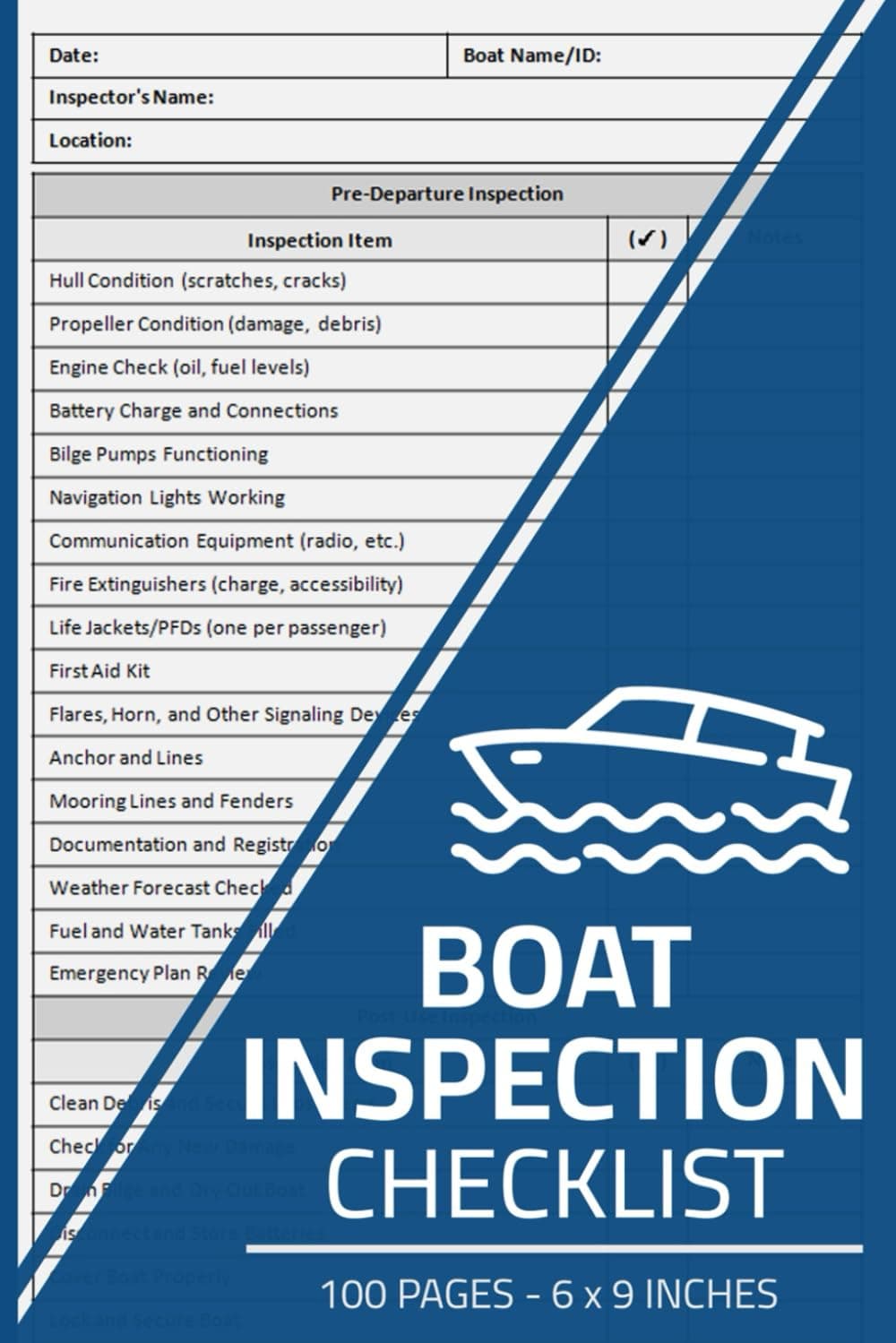
Run a systematic pre-season checklist to catch failures that can strand a cruise or force an evacuation. Owners, captains, crew and yard technicians should work from hull to helm, validating structure, systems, rigging and safety gear so passages start with confidence.
Begin at the topsides and deck. Inspect hull topsides and keel or appendage areas for signs of osmosis and soft spots. Check toerails, stanchions and lifeline hardware for secure backing plates and corrosion. Verify deck hatches and portlights seal watertight and assess the forward trampoline or net for chafe and attachment integrity. Small leaks up top become big problems once the boat is loaded.
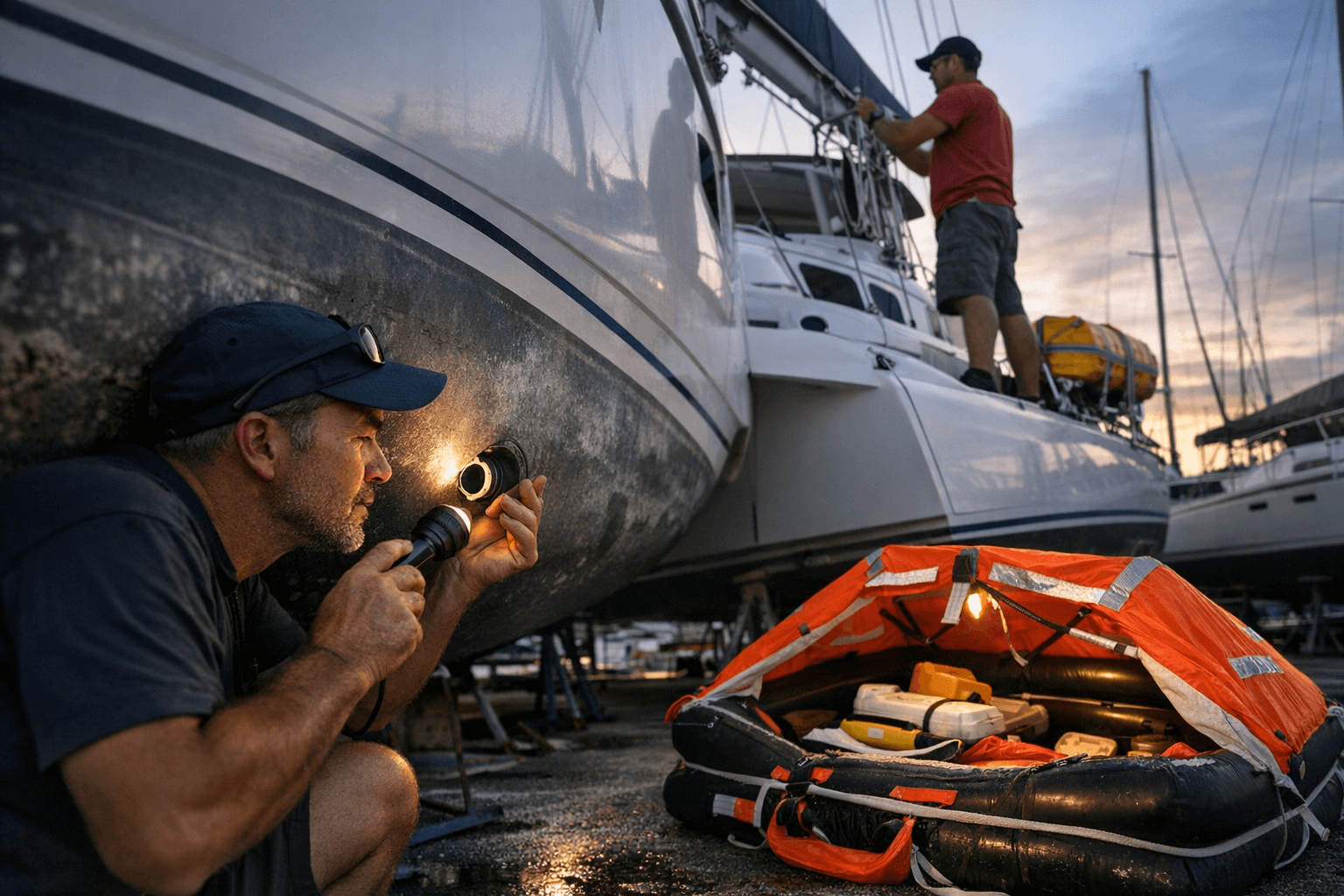
Through-hulls and seacocks are highest consequence items. Operate and exercise every seacock, verify hose clamps and backing plates are sound, and replace any soft or degraded hoses. Confirm redundancy on high-risk through-hulls and set up manual backups where appropriate so a single failure does not flood a hull.
Propulsion and drive systems need both service and live testing. Change engine oil and filters, inspect engine mounts, and clear raw-water strainers. Verify shaft or leg bellows if fitted, service outboards and sterndrives, then run engine starts under load to validate cooling and charge systems. Check chargers and alternators to ensure batteries will replenish on passage.
Electrical checks start with load-testing house and start batteries and verifying connections, fusing and inverter/charger function. Confirm the battery bank capacity matches planned loads and that charging sources - solar, alternator, or shore power - are capable of sustaining systems during extended motoring or poor sun conditions.
Rigging and sails must be defensible offshore. Inspect standing rigging terminals and chainplates, scan halyards and sheets for chafe, and service furling systems and winches as needed. Don’t forget daggerboards or centerboards and their lifting gear; stuck boards ruin a close reach fast.
Safety equipment inspection is non-negotiable. Verify liferaft service dates, inspect lifejackets and crotch straps, replace expired EPIRB units and confirm registration, and test AIS, plotter and VHF DSC functions. Check flares and fire extinguishers for currency. Practice anchor recovery drills after inspecting primary and secondary anchors, chain and rode, and test the windlass under load.
Service watermakers and plumbing, top up spare fluids and filters, and check bilge pumps and high-water alarms. Keep a written log of checks, spares and repairs - impellers, belts, hose clamps and fuses are worthy additions to your stores list. Update paper charts and ECDIS, brief crew on watch rotations and man-overboard procedures, prepare an emergency grab bag and rehearse MOB and abandon-ship drills.
Prioritize through-hulls, bilge pumps and liferaft readiness, then schedule sea trials after critical repairs to validate systems under real conditions. A deliberate pre-season sweep keeps your cat tight, your systems honest and your crew ready for the first passage.
Know something we missed? Have a correction or additional information?
Submit a Tip