CATL lithium mine stays shut awaiting environmental approval
CATL’s Jianxiawo mine stayed closed on Aug. 7, a delay that could tighten lithium supply for EV batteries and ripple through prices and production plans.
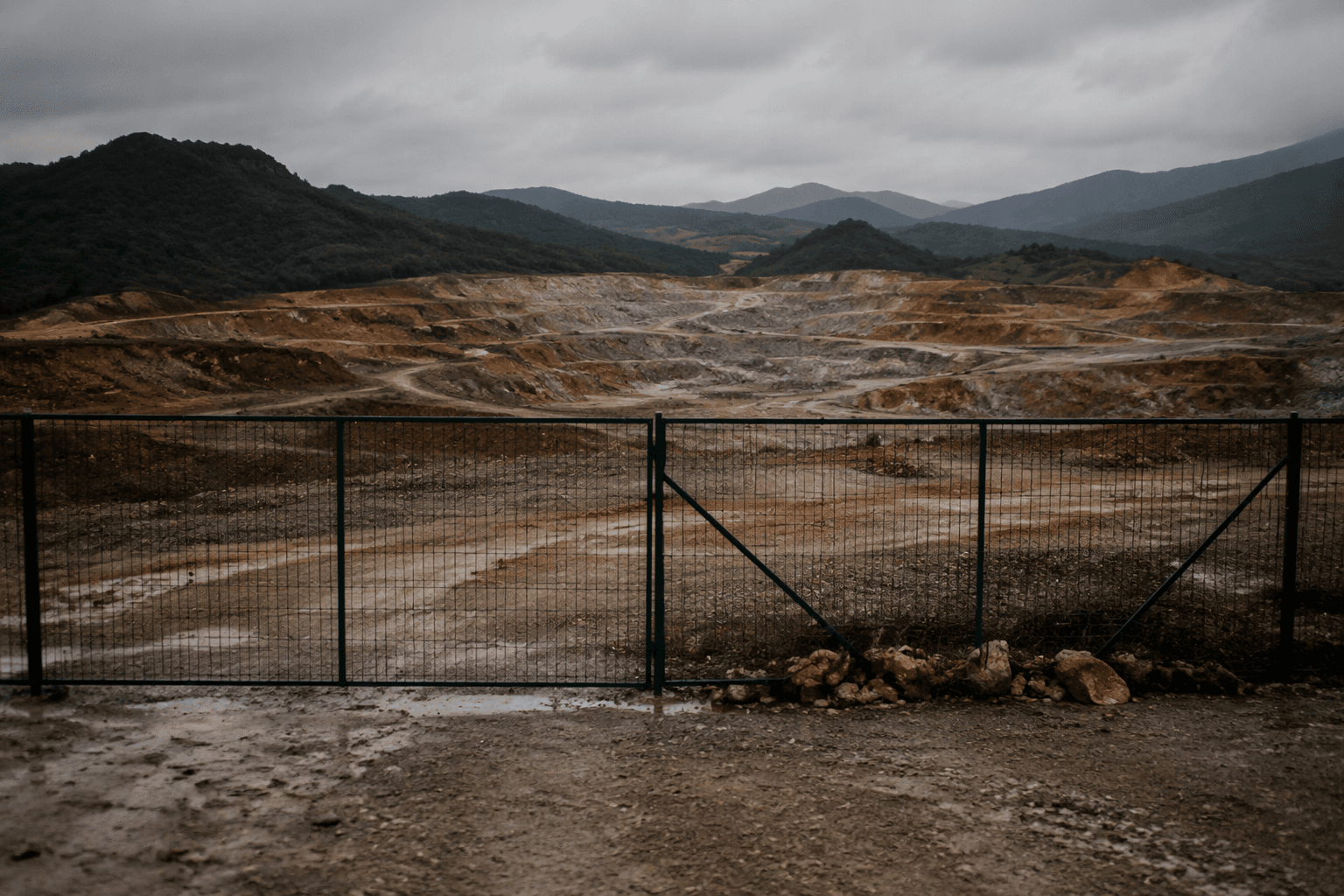
CATL’s Jianxiawo lithium mine stayed shut on Aug. 7 while it awaited environmental approval, putting one of China’s key lithium sources in regulatory limbo. The pause matters because lithium is a core input for electric-vehicle batteries, energy-storage systems and a wide range of products tied to the global energy transition.
The stalled reopening turns a single mine into a supply-chain issue. CATL is among the most influential companies in the global battery industry, and any interruption at one of its upstream resources can feed directly into traders’ expectations, industrial planning and the outlook for battery-material availability. In a market where supply and demand can swing quickly, even one mine’s approval status can move attention across the battery sector.
For battery makers and automakers, the risk is not just lost output at Jianxiawo. A prolonged closure could support lithium prices if investors read the shutdown as a meaningful constraint on supply, adding pressure to a commodity market that has already been volatile for years. Higher input costs can work their way through battery contracts, vehicle production plans and the economics of new clean-tech projects.

The mine’s status also highlights a larger industrial-policy tension inside China’s clean-energy buildout. Governments are pushing faster deployment of batteries, electric vehicles and storage, yet local environmental scrutiny can still slow strategically important mining projects. Environmental review can delay production, but it also reflects tighter oversight of land use, water impacts and local community concerns around extraction.
That balance carries global weight because China sits at the center of battery materials, cell manufacturing and much of the downstream supply chain. When a mine such as Jianxiawo remains closed pending approval, it underscores how quickly local regulatory decisions can shape the pace of supply in a sector that is supposed to be scaling at speed.
This article was produced by Prism’s automated news system from verified source data, official records, and press releases, then run through automated quality and moderation checks before publishing. The system is built and supervised by the people who set the standards it runs under. Read our full AI policy.
Did this article answer your question?