Philippine economy posts slowest growth in five years amid weak demand
Philippine GDP rose 2.3% in the second quarter, the weakest annual pace since 2021, as construction and household demand cooled.
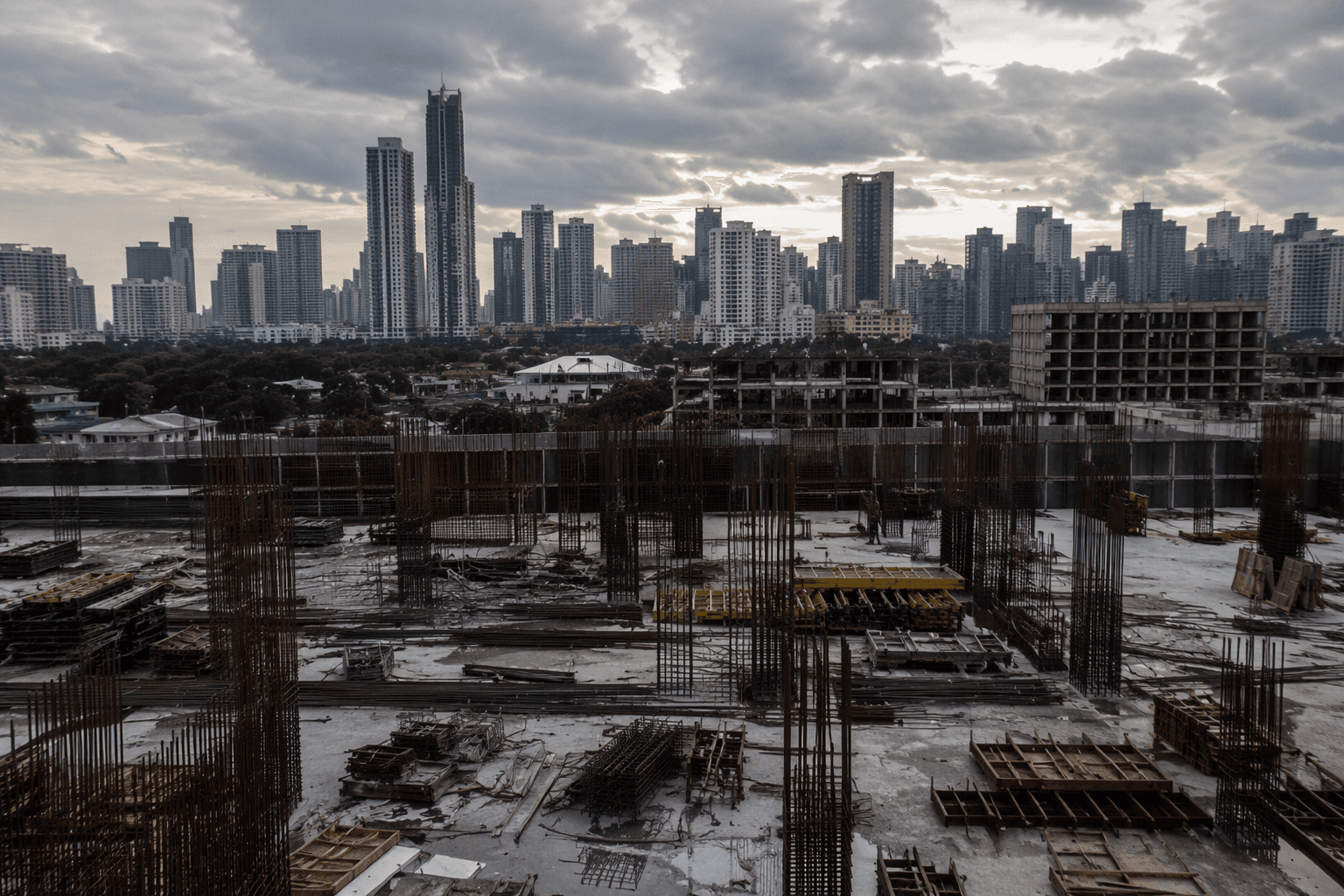
The Philippine economy grew 2.3% in the second quarter, its slowest pace in five years, as soft domestic demand and a slump in construction tested one of Southeast Asia’s most closely watched growth stories. The Philippine Statistics Authority released the figures on Friday, August 7, 2026, and said gross domestic product rose 0.6% from the first quarter at constant 2018 prices.
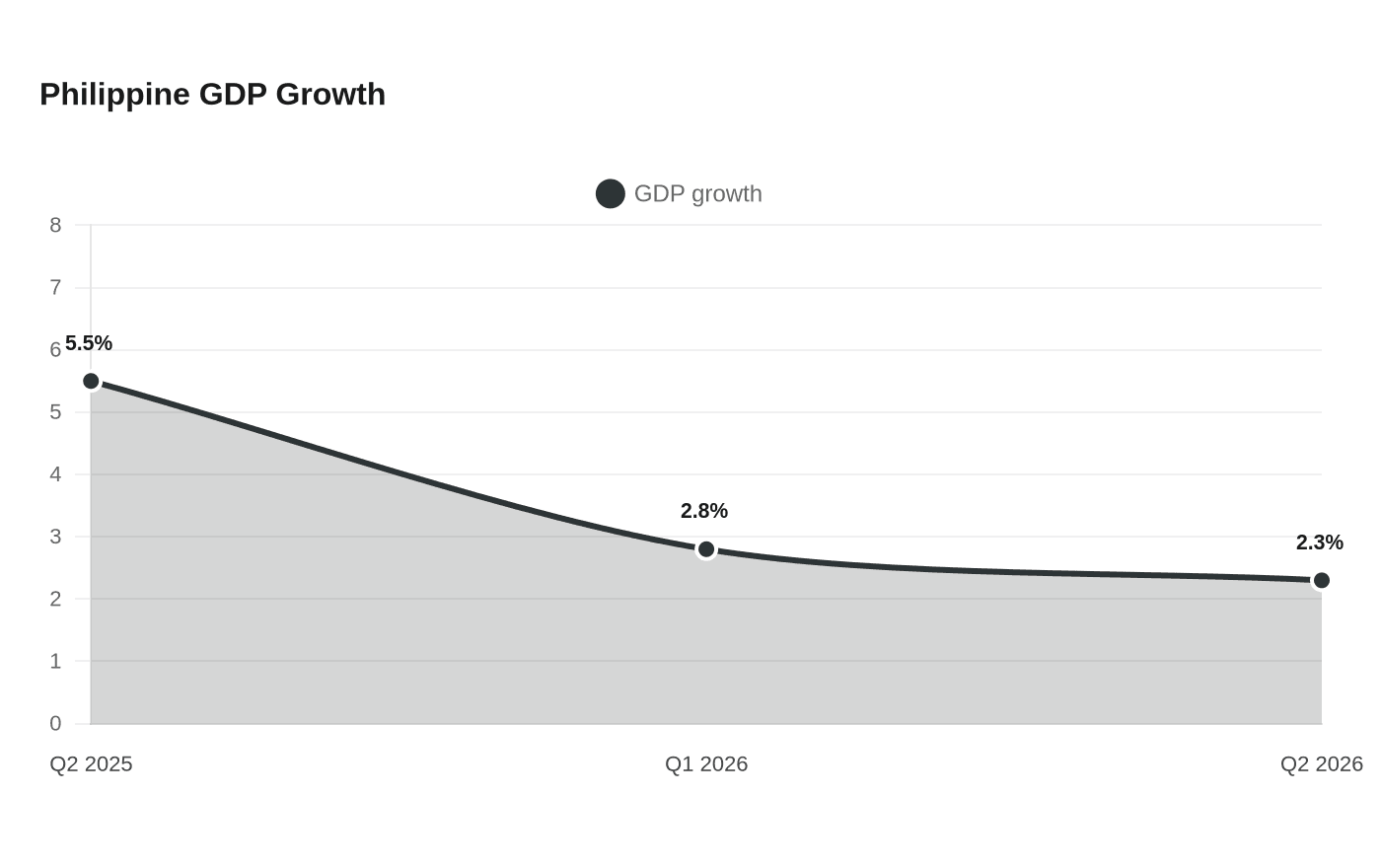
The annual gain compared with 2.8% growth in the first quarter of 2026 and 5.5% in the same quarter of 2025, showing how quickly momentum faded. Weak investment and softer household spending helped drag the number lower, while the second-quarter reading also landed below economists’ expectations. The result was the weakest annual pace since 2021, and some local coverage described it as the weakest since 2009.
The slowdown lands at a sensitive moment for policymakers trying to keep activity moving without adding pressure to prices. A Reuters report on August 3 said the World Bank kept its 2026 Philippine growth forecast at 3.7%, giving markets a reminder that forecasters were already bracing for a softer year before the GDP release. For the Bangko Sentral ng Pilipinas, a 2.3% print with just 0.6% quarter-on-quarter growth leaves less room for complacency as officials weigh support for growth against inflation risks.
The figures also matter beyond Manila because the Philippines has leaned on household consumption, remittances, services activity and government spending to keep growth resilient when external demand weakens. A weaker second quarter suggests that mix is under strain just as global trade remains soft, borrowing costs stay elevated and consumers become more cautious. For investors watching Southeast Asia, the question now is whether the Philippine slowdown is a country-specific setback or an early sign that the region’s recent outperformance is facing a broader second-half test.
This article was produced by Prism’s automated news system from verified source data, official records, and press releases, then run through automated quality and moderation checks before publishing. The system is built and supervised by the people who set the standards it runs under. Read our full AI policy.
Did this article answer your question?