CBS Mornings Deals highlights everyday essentials from small businesses
CBS Mornings Deals is selling more than household basics. Its real story is how TV commerce, commissions, and small-business branding shape the value of an “exclusive” discount.
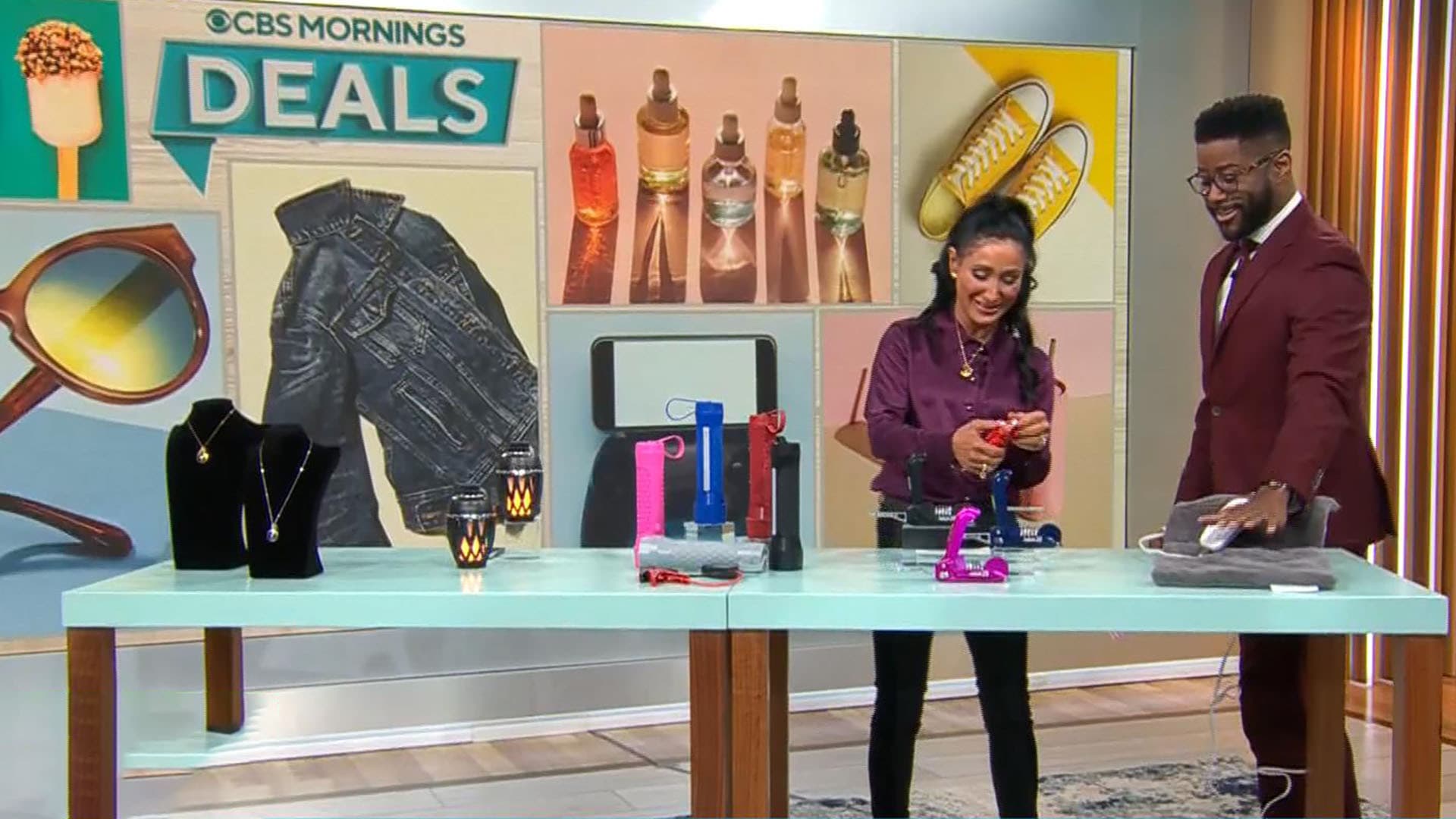
What CBS Mornings Deals is really offering
CBS Mornings Deals presents itself as a shortcut to useful, everyday buys, but it is also a clear example of how modern TV commerce works. The segment promotes products that might become essentials in daily life, while steering viewers to a CBS-branded shopping site that says it carries items from small businesses across the United States.

That matters because the segment is not just editorial content. CBS says it receives commission payments when shoppers buy through cbsdeals.com, which means the network has a financial stake in the transaction. For readers, that turns the segment into a hybrid of shopping advice, sponsored commerce, and branded distribution, where the pitch and the profit structure are linked.
How the storefront is structured
The CBS Deals site says it is operated by Knocking under terms and privacy policies different from CBS. That is a crucial detail for anyone treating the page like a standard CBS property, because the shopping experience is not simply an extension of the broadcast newsroom.
The distinction also explains why transparency matters so much in these segments. The CBS name may provide familiarity, but the actual sales operation sits behind a separate commercial arrangement. When a media brand tells viewers that it is highlighting exclusive deals, the practical question is not only whether the price is attractive. It is also who is running the store, who is collecting the customer data, and who benefits when a purchase goes through.
Why the “exclusive” label deserves scrutiny
CBS has framed these segments as featuring items that can help make your day a little better, and in another edition it described the products as things that might become essentials in everyday life. That language is effective because it shifts the focus from impulse buying to utility. Instead of asking whether something is trendy, the pitch asks whether it is useful enough to earn a place in a routine.
Still, “exclusive” does not automatically mean “best available.” It means the deal is being presented in a limited channel with a promotional wrapper. The most disciplined way to approach those offers is to compare them against competing sellers, broader retail prices, and the product’s usual street price rather than taking the broadcast framing at face value.
A deal can be genuinely competitive and still deserve verification. That is especially true when a segment promises that something may become a daily essential. Essentials are only valuable if the price, quality, and usefulness hold up after the marketing language fades.
The recurring CBS formula
The current CBS Deals pitch is part of a longer-running pattern. CBS has been running similar deals segments for years, including a September 13, 2023 three-day savings event that advertised products at least 40 percent off retail price. It also ran a December 17, 2024 edition that repeated the same “everyday essentials” framing now being used again.
That history shows how the segment has settled into a repeatable formula. The network periodically packages a set of items as useful, time-limited, and worth buying now, then reinforces the message with a concrete discount claim. In the 2023 event, the “at least 40 percent off retail” language gave viewers a numerical benchmark. In the 2024 and 2026 versions, the emphasis shifted back toward practicality, with the products positioned as potential day-to-day staples.
The approach is effective because it blends urgency with usefulness. A savings event creates the fear of missing out, while the essentials framing makes the purchase feel responsible rather than frivolous.
The faces behind the pitch
The on-air presentation changes, but the structure stays familiar. CBS.com described a related CBS Saturday Morning segment as featuring lifestyle expert Ashley Bellman, who showed items that can help make your day a little better. Another CBS News segment on the three-day savings event featured lifestyle host Elizabeth Werner and highlighted day two of the sale with products available for at least 40 percent off retail.
That mix of talent reinforces the idea that CBS Mornings Deals is a recurring commerce format rather than a one-off promotion. Different hosts may carry the segment, but the core message remains consistent: practical products, limited-time pricing, and a direct path to purchase through the CBS shopping site.
For consumers, the rotating cast should not obscure the economics underneath the segment. The host is the messenger, but the transaction is what pays.
How to evaluate a CBS-branded deal
Before buying through a TV commerce segment, the smartest approach is to treat the offer like any other retail claim and test it against the broader market.
- Compare the promoted price with at least two other sellers.
- Check whether the discount is based on a real current selling price or an inflated retail reference.
- Look for the product’s everyday usefulness, not just the segment’s framing.
- Remember that CBS receives commission payments when purchases are made through cbsdeals.com.
- Review the terms and privacy policies attached to the shopping operation, since the store is run by Knocking and not CBS itself.
That last point is easy to overlook but especially important in media commerce. A viewer may think they are simply shopping through a familiar network brand, yet the site’s operator, data practices, and commercial incentives are all part of the deal structure.
Why this model keeps working
This kind of segment endures because it satisfies two audiences at once. For viewers, it offers a curated set of home and lifestyle goods wrapped in a simple savings pitch. For the broadcaster, it turns attention into commission-bearing sales while extending the CBS brand into direct commerce.
The emphasis on small businesses across the United States adds another layer of appeal, because it lets the segment present itself as more than discount merchandising. It becomes a story about access, visibility, and distribution for smaller sellers who benefit from national exposure. At the same time, the consumer still needs to ask whether the deal is actually strong enough to justify the purchase.
That is the central lesson of CBS Mornings Deals. The products may be useful, the discounts may be real, and the small-business angle may be genuine, but the smartest buyer still compares before clicking. In a media environment where entertainment, commerce, and promotion are tightly linked, the most valuable savings are the ones that survive scrutiny.
Know something we missed? Have a correction or additional information?
Submit a Tip