CBS News finds rented delivery accounts bypass background checks
Rented delivery accounts let drivers slip past background checks, leaving customers unsure who is actually standing at the door.
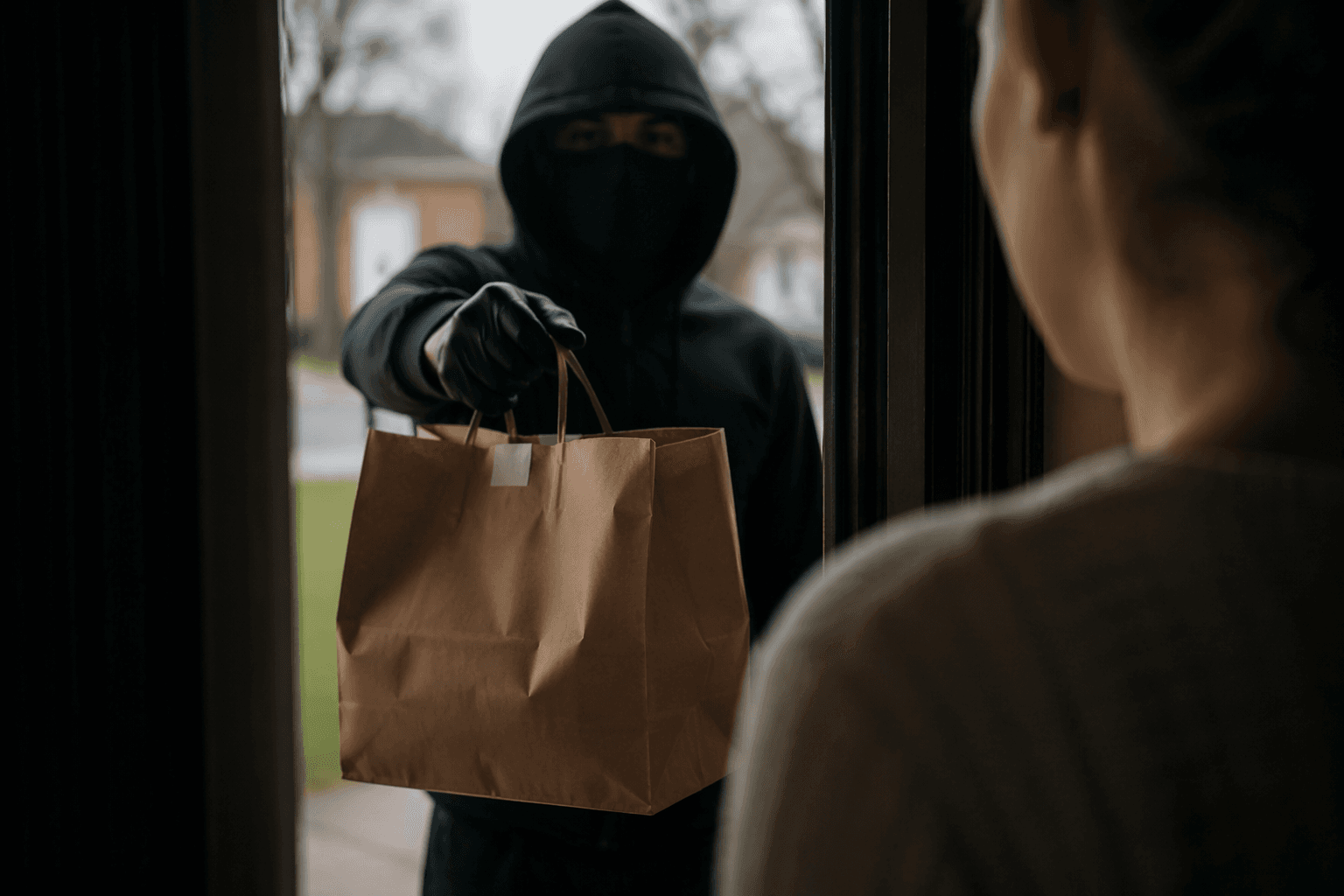
The person carrying the bag may not be the person the app vetted. That is the consumer-safety gap exposed by a California investigation that found food delivery drivers using rented or stolen accounts to get around background checks, including accounts tied to Uber, Lyft and DoorDash.
The problem surfaced after viewers emailed concerns that delivery workers did not resemble the profile photos shown in the app. Reporters found that accounts could be bought or rented online without providing identification, and one seller said not having a driver’s license was “no problem.” Sergio Avedian, a longtime rideshare driver and contributor to The Rideshare Guy, said the practice had been circulating for years and that buyers can purchase accounts for “a few hundred dollars.”
That shortcut matters because the screening process is only as strong as the identity attached to it. If a driver rents an account, the platform may think it has checked one person while a different person is actually making deliveries in California neighborhoods from Los Angeles and Orange County to San Jose and Solano County. The result is a basic accountability failure: the customer believes the app has verified the worker, but the person at the door may never have been screened at all.
The scale of the underground market has been visible for some time. The Tech Transparency Project identified 80 Facebook groups with a combined membership of more than 800,000 users in an April 14, 2025 investigation, and many of those groups openly advertised account rentals, including names like “Uber Delivery Drivers Account For Rent.” The project said the activity allowed people to drive or deliver under false identities without going through required screening and may violate U.S. law. It also said Facebook did not respond to its request for comment.
The platforms have said they are tightening controls. Uber said it does not allow account sharing and bans accounts when it finds fraud. DoorDash said it uses a robust, multi-layered identity verification and safety screening process, and in December 2024 it announced more frequent identity re-verification and new machine-learning tools aimed at preventing account sharing. Still, the loophole persisted enough to produce criminal cases. In May 2025, Sayee Chaitanya Reddy Devagiri pleaded guilty in a federal DoorDash fraud case involving more than $2.5 million, with prosecutors saying fake driver accounts and manipulated order statuses were part of the scheme. The wider lesson is straightforward: if the account is rented, the background check is too.
This article was produced by Prism’s automated news system from verified source data, official records, and press releases, then run through automated quality and moderation checks before publishing. The system is built and supervised by the people who set the standards it runs under. Read our full AI policy.
Know something we missed? Have a correction or additional information?
Submit a Tip