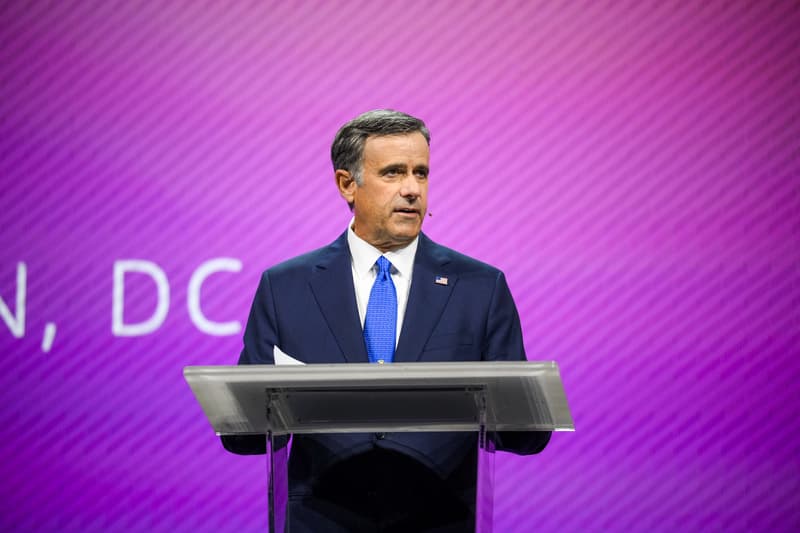
CBS revisits Bicentennial Minute with Edward Albert as Alexander Hamilton
CBS pulled a 1976 Hamilton minute from its bicentennial archive as the nation neared 250 years, showing how the Revolution was packaged for TV.
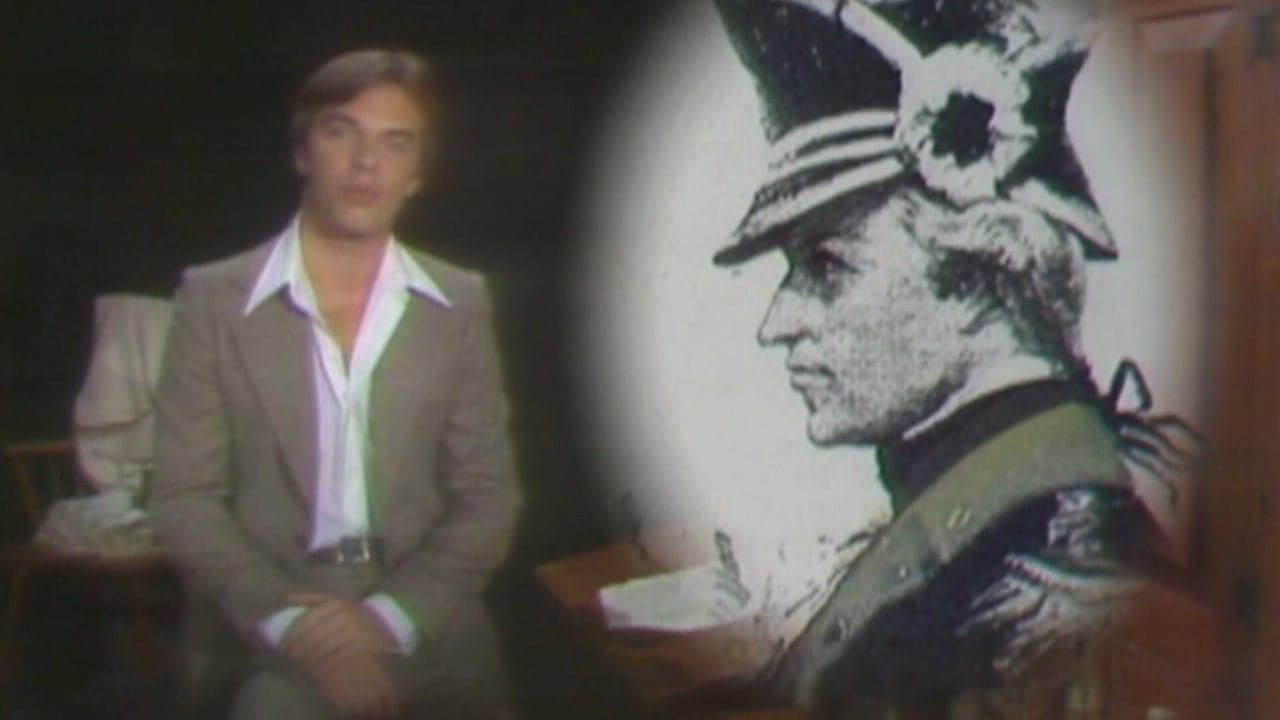
CBS News revisited its Bicentennial Minute in 2026, bringing back a 1976 segment in which Major Garrett introduced Edward Albert as Alexander Hamilton just as the United States was approaching its 250th anniversary. The clip, built for a bicentennial audience, turns Hamilton’s Revolutionary War years into a compact piece of national memory, framed for nightly television rather than a classroom.
CBS’s Bicentennial Minute ran nightly from July 4, 1974, through December 31, 1976. The network had originally planned to stop on July 4, 1976, the day the United States Bicentennial culminated, but it extended the project through the end of the year and ultimately produced 912 one-minute episodes. The series became one of CBS’s most visible tributes to the country’s 200th anniversary, joining a broader wave of commemorations that marked the Revolution as both civic ceremony and mass-media event.
The Hamilton segment focuses on the young man swept into the Revolutionary cause while still a student at King’s College, now Columbia University. Hamilton formed a militia unit, attracted George Washington’s attention at age 22, and joined Washington’s military family as a private secretary. By the end of the war, he had risen to full colonel. That wartime climb, compressed into a minute of television, points to the arc that later made Hamilton the first U.S. secretary of the treasury and one of the most consequential Founding Fathers.
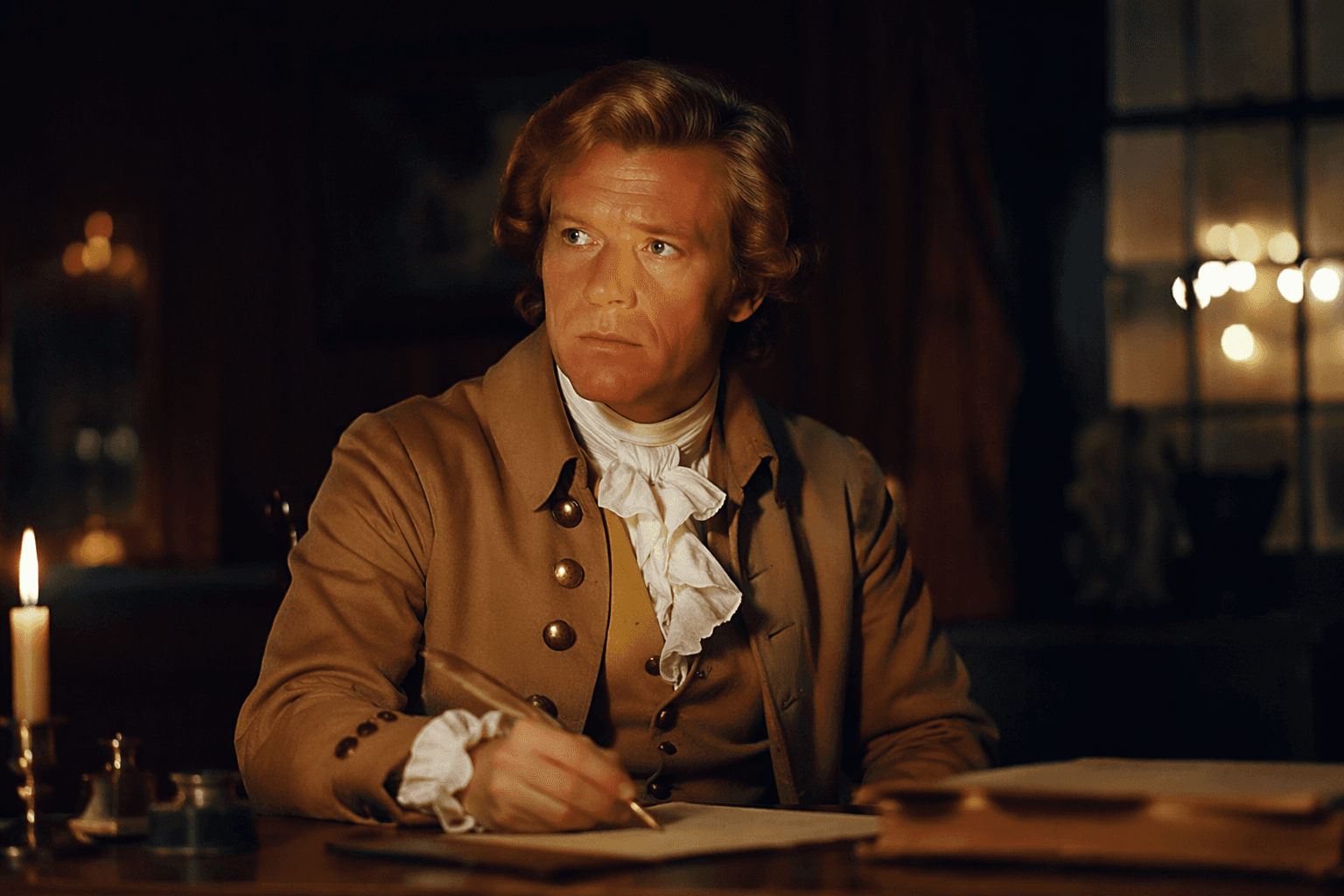
Edward Albert, who portrayed Hamilton in the CBS piece, came from Hollywood lineage himself as the son of actor Eddie Albert and Mexican actress Margo. The casting gave the bicentennial spot a polished, accessible face for a national audience that was being asked to see the Revolution as a shared story. Half a century later, the same footage reads differently: less as a simple salute to founding heroes than as evidence of how broadcasters once packaged history, identity and patriotism into a minute-long form designed to meet the mood of 1976.
This article was produced by Prism’s automated news system from verified source data, official records, and press releases, then run through automated quality and moderation checks before publishing. The system is built and supervised by the people who set the standards it runs under. Read our full AI policy.
Did this article answer your question?