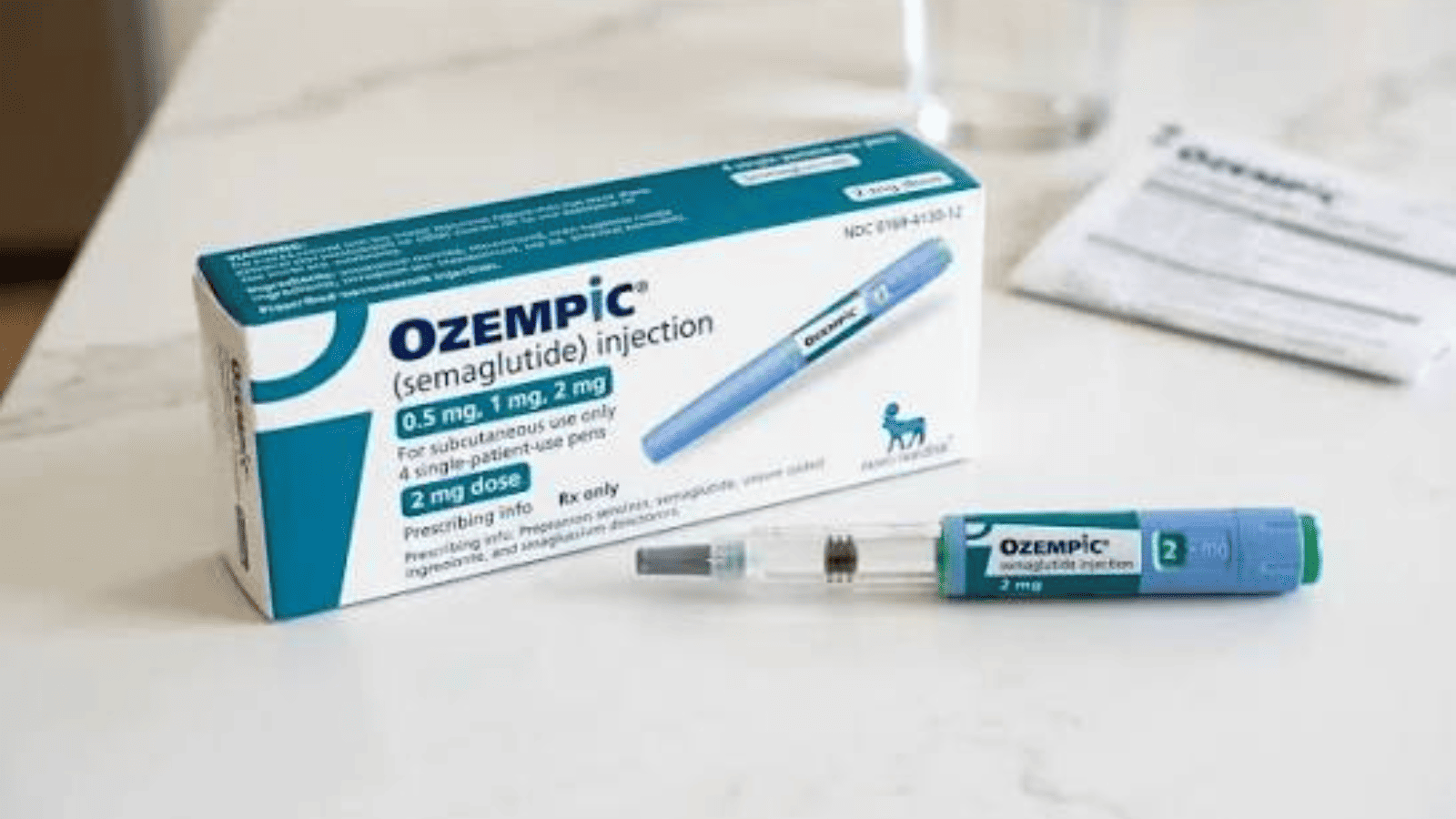
CDC Drops Disease Testing Services Amid Staff Cuts, Experts Warn of Risks
The CDC quietly dropped rabies and mpox from its disease testing roster, alarming public health experts who fear staff cuts of 25% make a return unlikely.
The Centers for Disease Control and Prevention quietly removed rabies and pox viruses, including mpox, from the list of tests it provides to state and local health departments, a move that took effect March 30, 2026, and that public health experts warned could leave critical diagnostic gaps at a moment of severe institutional vulnerability.
The CDC's infectious disease test directory was updated with a major revision on March 30, 2026, stripping both rabies and mpox from the roster of reference testing services the agency has long offered as a backstop for state and local laboratories that lack the capacity to confirm these diagnoses on their own.
The timing of the removal sharpens concerns that have been building for more than a year. The CDC saw a net decrease of more than 3,000 employees under the Trump administration, shrinking its workforce by about 25%, according to the latest data from the Office of Personnel Management. Experts worry that without the staffing to sustain these services, a pause in testing could easily become permanent.
The threat posed by mpox makes the lapse particularly acute. Of 33 exported clade Ib monkeypox cases recorded from January through March 2026, only 8 originated in Central or Eastern Africa, a pattern indicating the more severe strain is spreading well beyond its historical epicenter. The CDC has long served as the national reference laboratory for clade-specific mpox testing, a role state public health labs are not uniformly equipped to replicate.
The CDC has been without a permanent director since the removal of Susan Monarez in August 2025. Its recently installed acting director, Jay Bhattacharya, is also running the National Institutes of Health, located hundreds of miles from the CDC's headquarters in Atlanta.
The CDC has also lost scores of senior staff and shuttered key programs, including those focusing on tobacco control and injury prevention. Among the departures was Daniel Jernigan, former director of the National Center for Emerging and Zoonotic Infectious Diseases, the very division responsible for the kind of reference laboratory work now being curtailed.
The HHS budget proposal for FY 2026 would cut CDC funding by $5 billion but transfer more than $1 billion from CDC to other HHS divisions, for a net reduction of $3.8 billion, or 42% less than CDC's operational budget, a financial trajectory that would make restoration of suspended laboratory services far more difficult.
State health departments are left to navigate the gap largely on their own. While some larger state labs maintain independent capacity for mpox testing, rabies confirmatory testing, particularly for human cases, has historically depended on the CDC's national laboratory infrastructure. Whether alternative arrangements can be established quickly enough to prevent real-world consequences remains an open and urgent question.
This article was produced by Prism’s automated news system from verified source data, official records, and press releases, then run through automated quality and moderation checks before publishing. The system is built and supervised by the people who set the standards it runs under. Read our full AI policy.
Did this article answer your question?