CDC investigates multistate cyclospora outbreak as cases surge nationwide
CDC is tracing a multistate Cyclospora outbreak with 1,645 confirmed cases and more than 5,100 more under review. The parasite spreads through contaminated food or water.

The CDC has received reports of 1,645 confirmed domestic cyclosporiasis cases since May 1 and is reviewing more than 5,100 additional reports as investigators work to trace the source of a multistate outbreak. The cases have been reported in 34 states, 141 patients, or 9%, were hospitalized, and none had died.
Cyclospora spreads when people consume food or water contaminated with the parasite, not usually through direct person-to-person contact. Symptoms typically begin about a week after exposure, but can appear two to 14 days later, and the most common sign is watery diarrhea that can be frequent or explosive. Other symptoms include loss of appetite, weight loss, bloating, nausea, fatigue, cramping, low-grade fever and vomiting. Without treatment, the illness can last from a few days to a month or longer and can relapse after symptoms seem to improve.
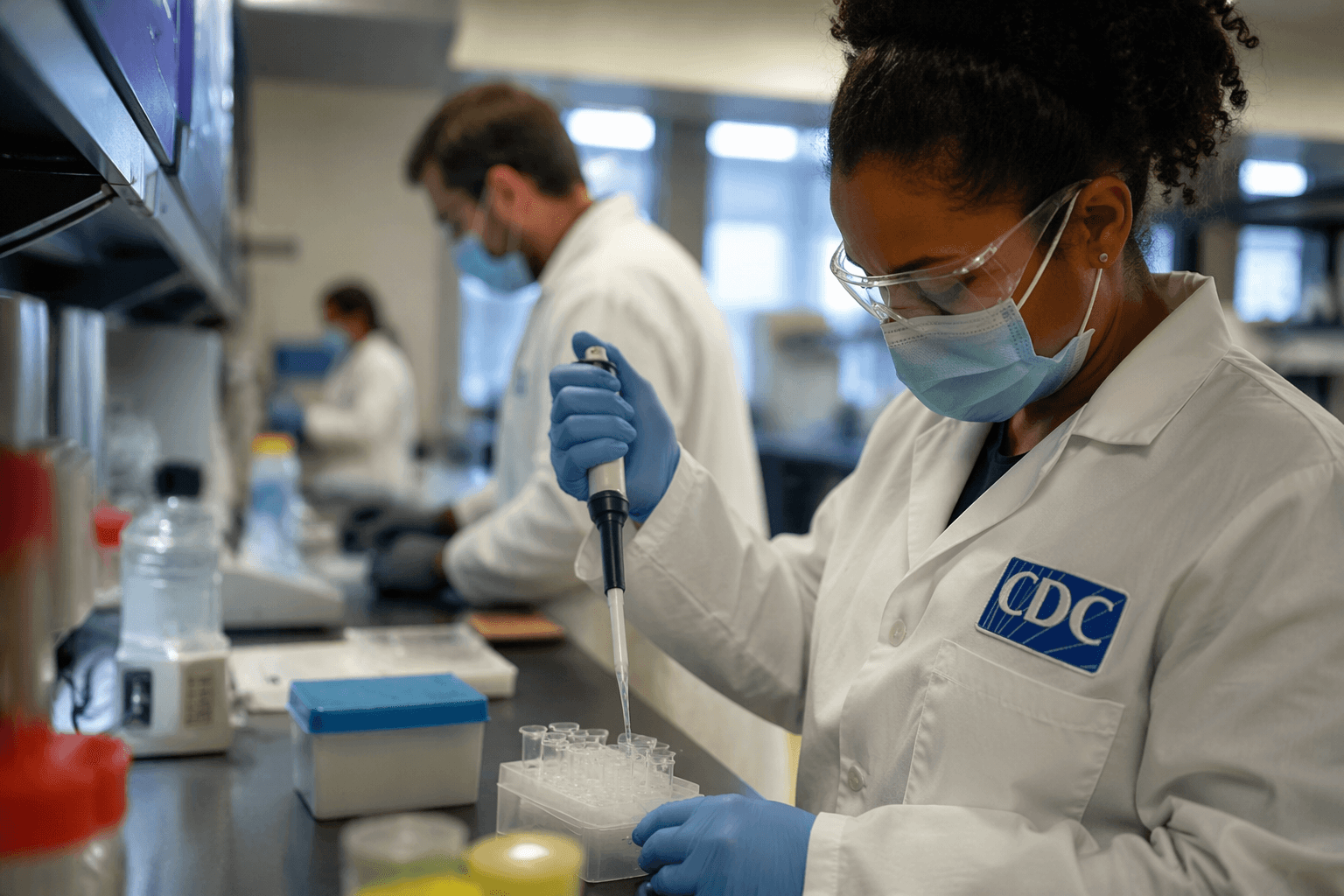
Public health officials are interviewing sick people to reconstruct what they ate before they got ill, but no specific food has been confirmed. CDC is also investigating additional clusters of cyclosporiasis across the country. May 1 through August 31 is the usual cyclospora season.
The parasite can also be hard to detect. Standard ova-and-parasite stool exams may not reliably find Cyclospora, so clinicians may need to specifically request testing and patients may need to submit multiple stool samples on different days.
Cyclosporiasis outbreaks have been associated with fresh fruits and vegetables in the United States and around the world. Humans are the only known host for C. cayetanensis. Infected people, including those without symptoms, can shed the parasite in feces, contaminating food, water and the environment if hygiene and sanitation are inadequate. The parasite must remain in the environment for one to two weeks before it becomes infective, and chlorine and other common antimicrobial chemical treatments are not effective against it.
Wash hands with soap and water before and after handling raw fruits and vegetables, rinse produce under running water before eating, cutting or cooking it, scrub firm items such as melons and cucumbers with a clean brush, cut away damaged areas and refrigerate cut, peeled or cooked produce within two hours. CDC and FDA continue to investigate the outbreak and trace possible sources to prevent more cases.
This article was produced by Prism’s automated news system from verified source data, official records, and press releases, then run through automated quality and moderation checks before publishing. The system is built and supervised by the people who set the standards it runs under. Read our full AI policy.
Did this article answer your question?