Hair oil and scalp oil differ, experts explain how to use each
Hair oil coats strands for shine and frizz control; scalp oil is for the skin at the root. Using the wrong one can leave buildup or miss the real scalp problem.
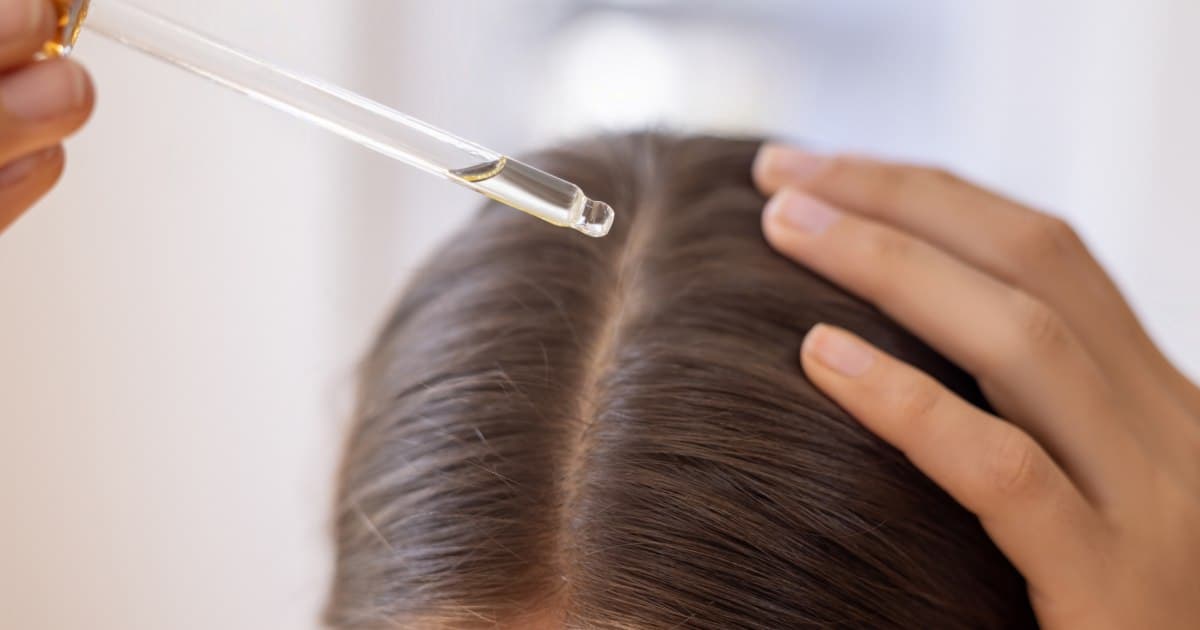
Dryness, itching, flaking and even seborrheic dermatitis can change what is safe to use at the root. Hair oil and scalp oil are not the same treatment. Hair oil is meant to coat the hair shaft, add shine, smooth frizz and reduce breakage. Scalp oil belongs on the skin of the scalp itself.
What each oil is designed to do
Hair oil works on the visible fiber of the hair. It can help seal rough cuticles, make lengths look smoother and reduce the friction that leads to breakage, especially when hair is dry or heat-styled. Scalp oil is a different category: it is massaged into the scalp skin, not just brushed through the ends, because the target is the surface at the root.
That distinction matters because the scalp is living skin with hair follicles and a microbiome. When the problem is on the skin itself, the fix is not the same as a shine product for damaged lengths. A scalp can be dry, irritated or flaky even when the hair shaft looks healthy, and the wrong oiling routine can blur the difference between a cosmetic issue and a medical one.
When hair oil helps, and when it does not
Hair oil makes the most sense when the issue is in the hair itself: dullness, frizz, rough texture or breakage along the mid-lengths and ends. It is a finishing step, not a cure for scalp disease. Used lightly, it can give hair a smoother look and reduce the chance that dry strands will snap during combing or styling.
Overuse is where problems start. Heavy application can weigh hair down, make fine hair look greasy and leave residue that is hard to wash out. Putting strand oil directly on an oily or flaky scalp is a common mistake, because the product then sits where it does not belong and can make buildup more obvious.

When scalp oil is the right category
Scalp oil is meant for the skin, so it is the better fit when the scalp feels dry or tight and the concern is skin health at the root. But dryness is not the only scalp issue that people mistake for a need for more oil. The American Academy of Dermatology defines dandruff as a common scalp condition in which small pieces of dry skin flake off and the scalp may itch.
For mild dandruff, the first step is often washing more often with a gentle shampoo to remove extra oil and dead skin. If that is not enough, medicated dandruff shampoo is the next option. The Centers for Disease Control and Prevention also recommends soap and clean running water to remove dirt, oil and unwanted residue from the head.
That is why scalp oil should be used carefully if flakes, itch or redness are already present. A product meant to soothe dryness can make a greasy or inflamed scalp harder to evaluate if it is applied too often or left on too long.
Ingredients people reach for, and what the evidence says
Coconut oil, argan oil, jojoba oil, tea tree oil, lavender oil and rosemary oil are among the ingredients commonly marketed for hair and scalp use. They are marketed for moisture, shine or scalp comfort, but the strength of evidence varies and, in many cases, remains limited or preliminary.
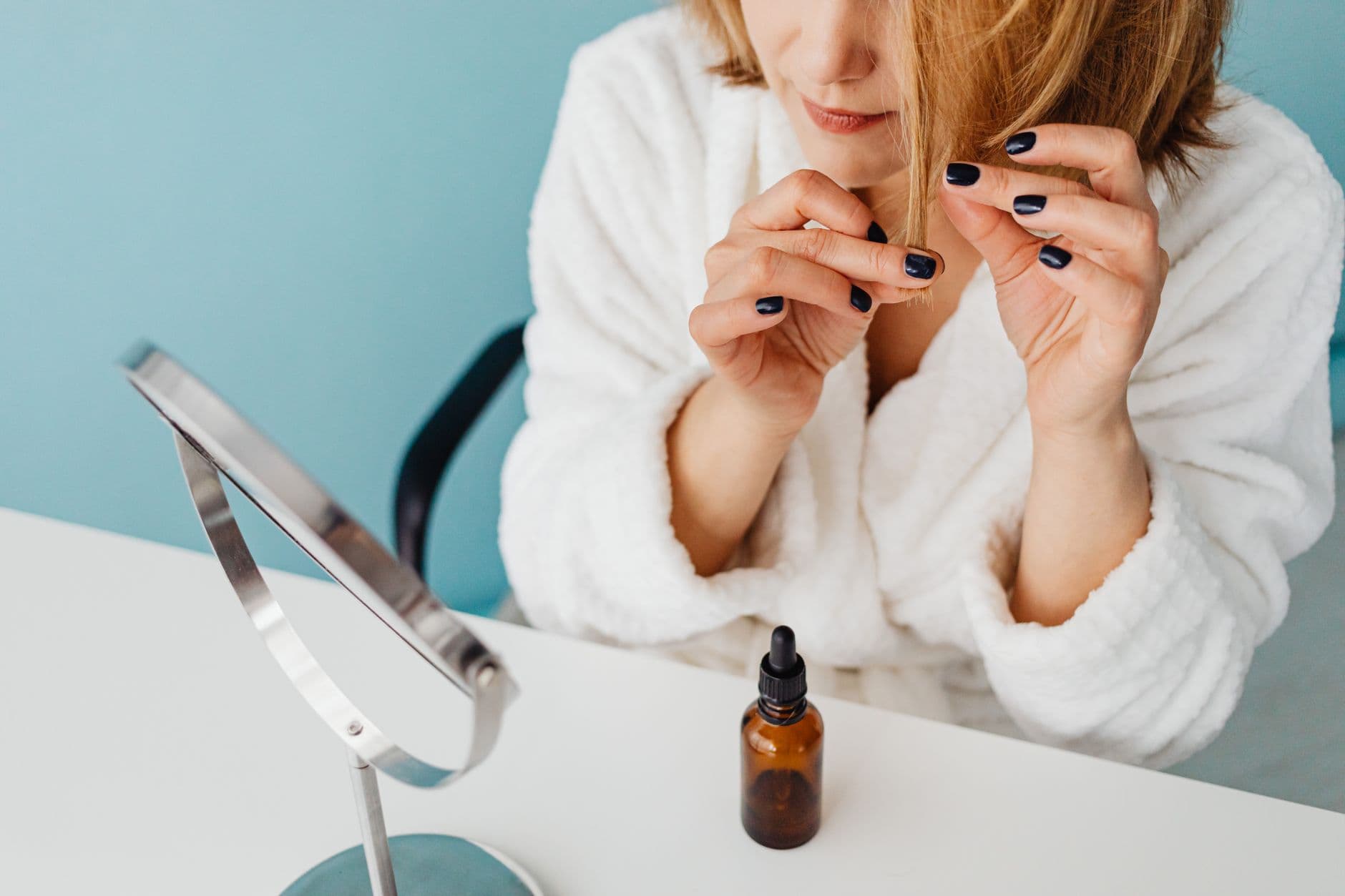
Coconut oil is the exception with some newer support. A 2024 study in Nature Scientific Reports found that coconut oil had an effect on maintaining a healthy scalp and modulating the scalp microbiome.
A peer-reviewed paper focused on Black patients warned that traditional scalp greasing with hair oils may contribute to the severity and chronicity of seborrheic dermatitis. The paper noted that Malassezia is a lipid-dependent yeast and that lipids in common hair oils may promote its pathogenic role.
A simple way to choose the right product
- Choose hair oil if your main complaint is dry ends, frizz or breakage on the hair shaft.
- Choose scalp oil only if your scalp skin is the problem and you are not dealing with persistent flakes, redness or itching.
- Avoid heavy oiling if your scalp gets oily quickly, because buildup can hide the real issue and make washing less effective.
- If flakes and itch keep coming back, shift from cosmetic products to treatment-oriented care.
Trichologists focus on problems related to the hair and scalp and their treatments. Dermatologists are medical doctors who diagnose and treat conditions affecting the skin, hair and nails. If the concern is mostly about softness or shine, a trichologist can help guide product choice; if there is scaling, rash, persistent itch or suspected seborrheic dermatitis, a dermatologist is the right place to start.
This article was produced by Prism’s automated news system from verified source data, official records, and press releases, then run through automated quality and moderation checks before publishing. The system is built and supervised by the people who set the standards it runs under. Read our full AI policy.
Did this article answer your question?