CDC Links Raw Farm Cheese to Multistate E. Coli Outbreak Sickening Children
Raw Farm cheddar cheese has sickened at least 9 people across three states in an E. coli outbreak; more than half the cases involve children under five.
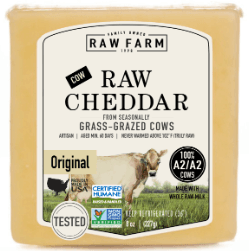
Federal health officials are warning consumers to immediately discard all Raw Farm brand raw cheddar cheese after linking the product to a multistate Shiga-toxin producing E. coli outbreak that has sickened at least nine people, hospitalized three, and struck children under five at a disproportionate rate.
The CDC posted a public health notice March 30 identifying an active investigation into the pathogen, known as STEC, tied to raw dairy products made by Raw Farm, LLC. Among the three hospitalizations, one patient developed hemolytic uremic syndrome, a potentially fatal kidney complication that emerges in a small fraction of STEC cases.
Illnesses span three states. Those who fell sick in 2026 reported eating Raw Farm brand raw cheddar cheese; two people who became ill in 2025 reported drinking Raw Farm brand raw milk, suggesting the contamination issue may predate the current outbreak window. The CDC's consumer guidance covers all sizes and varieties of block and shredded Raw Farm brand raw cheddar cheese sold from January 4, 2026 to the present.
STEC infections typically produce severe abdominal cramps, bloody diarrhea, and vomiting, with symptoms appearing three to four days after exposure. Anyone who consumed the implicated cheese and develops those symptoms should seek medical care promptly. The CDC specifically urged people at elevated risk, including young children, pregnant people, older adults, and those with weakened immune systems, not to eat, sell, or serve the product under any circumstances, and to opt for pasteurized dairy instead. Contaminated surfaces should be cleaned with soap and water or a household disinfectant.
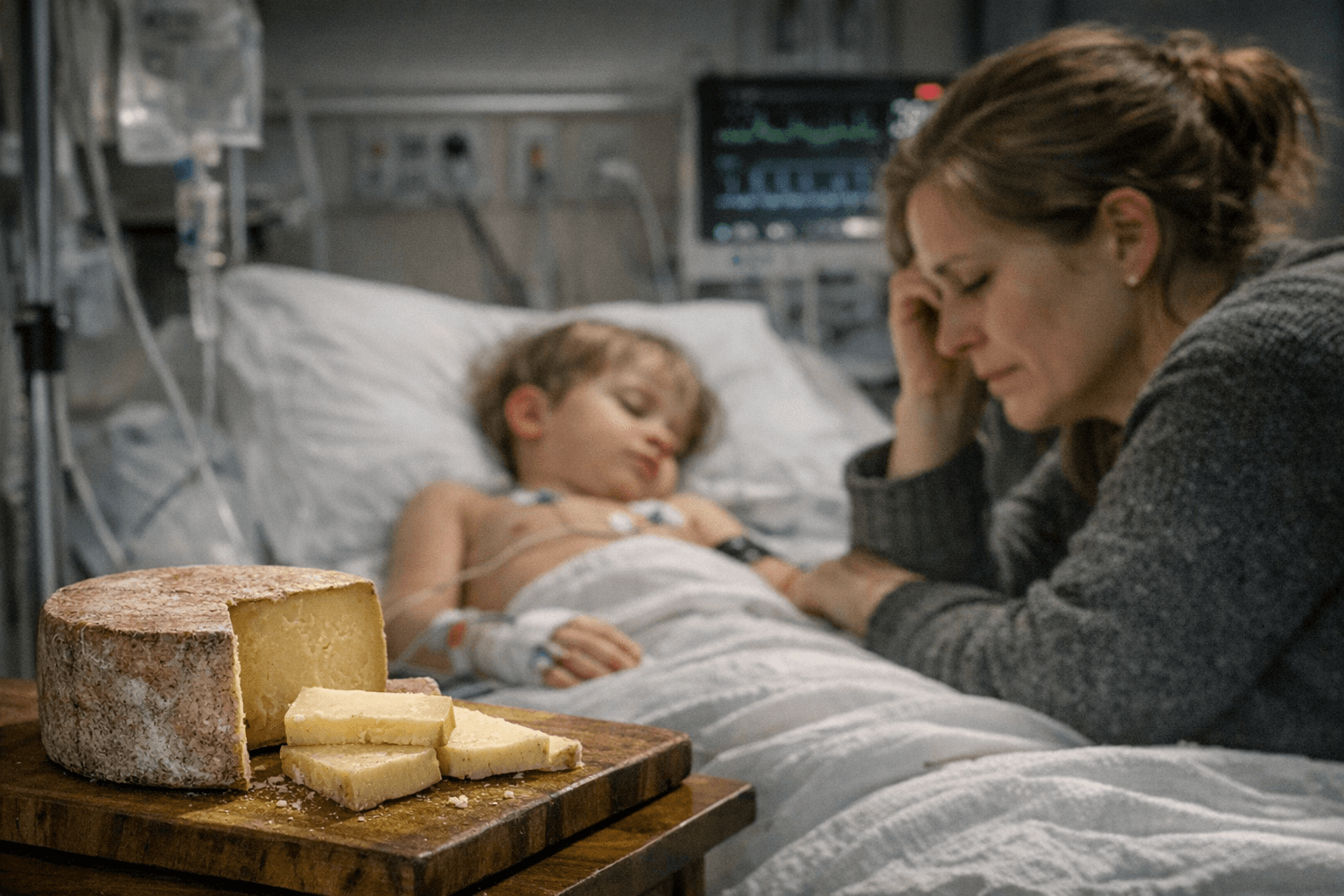
The outbreak surfaces a long-running regulatory fault line. Raw milk and raw milk cheeses carry a fundamentally higher risk of harboring dangerous pathogens because pasteurization is the step that kills bacteria like E. coli before products reach consumers. Yet raw milk sales remain legal in some form in many states, through direct farm transactions, retail channels, or both, creating a patchwork of oversight that complicates federal enforcement and makes supply-chain traceability significantly harder once an outbreak begins spreading across state lines.
The CDC and FDA are jointly investigating the contamination source, with potential recalls or enforcement actions possible if the evidence warrants them. Clinicians treating patients with bloody diarrhea or other STEC symptoms are being urged to report suspected cases and submit bacterial isolates for sequencing, which helps investigators trace the outbreak back through the production chain.
The investigation remains open, meaning the case count of nine is likely to grow as state health departments compile reports. That more than half the current illnesses involve children under five reflects a pattern that public health officials have documented repeatedly in raw dairy outbreaks: the products carrying the highest microbial risk tend to reach the population with the least capacity to survive the consequences.
This article was produced by Prism’s automated news system from verified source data, official records, and press releases, then run through automated quality and moderation checks before publishing. The system is built and supervised by the people who set the standards it runs under. Read our full AI policy.
Did this article answer your question?