CDC monitors deadly Andes virus outbreak on cruise ship, risk low
A deadly Andes virus cluster on the MV Hondius left doctors managing fear as well as infection, while CDC said the U.S. risk stayed extremely low.
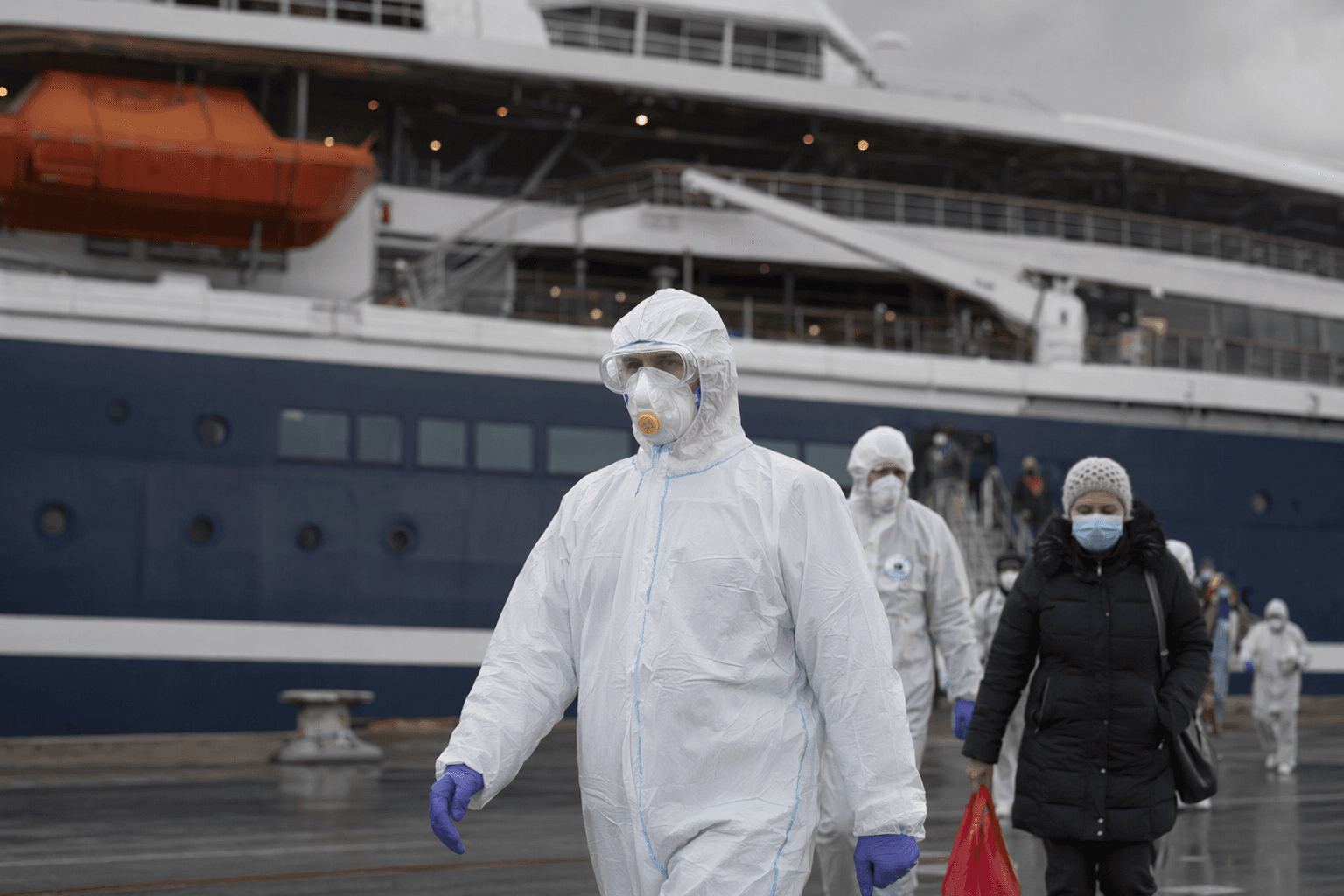
The first job was not only to isolate a dangerous virus, but to steady people who had been exposed to it. David Cates, a psychologist working with Americans from the MV Hondius, said psychosocial support mattered as much as physical care as passengers and crew faced the possibility of Andes virus, a hantavirus that can cause hantavirus pulmonary syndrome.
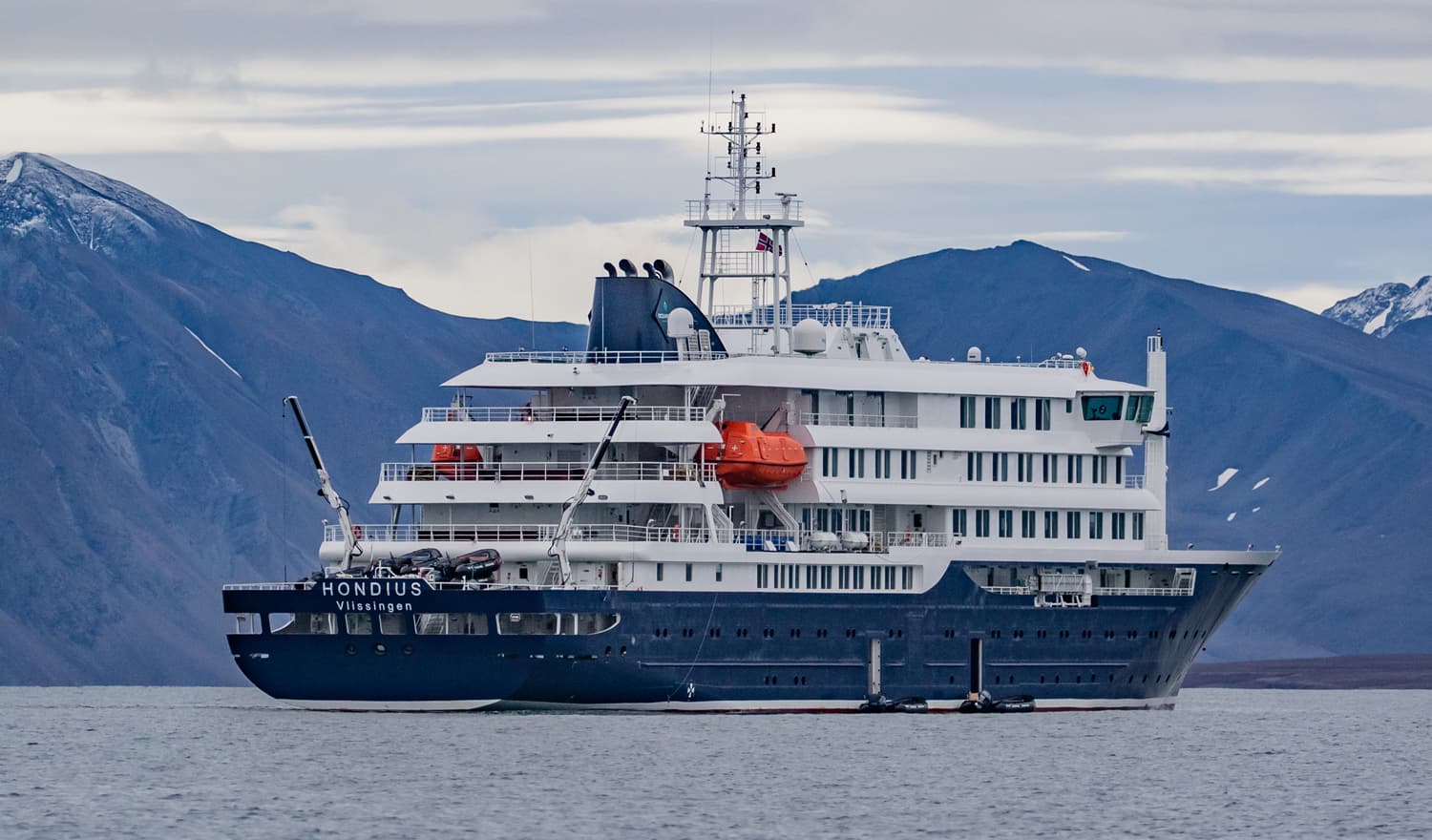
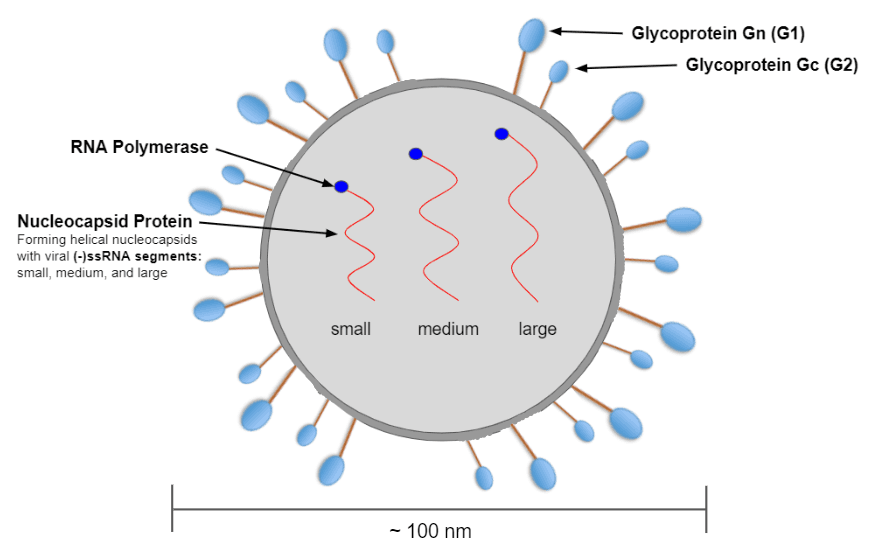
The cruise ship cluster has drawn close monitoring because of its severity and its reach across borders. The Centers for Disease Control and Prevention said the outbreak involved a deadlier strain, Andes virus, and that the risk to the American public and travelers remained extremely low. The World Health Organization first reported the cluster on May 2, later confirmed Andes virus on May 6, and said that by May 8 it had identified eight cases, including six confirmed infections, two suspected cases and three deaths.
The M/V Hondius departed Ushuaia, Argentina, on April 1 with 147 people aboard, including 86 passengers and 61 crew, according to CDC figures. WHO described the ship’s manifest slightly differently, with 88 passengers and 59 crew. The voyage took the Dutch-flagged vessel through remote parts of the Atlantic, including Antarctica, South Georgia Island, Tristan da Cunha, Saint Helena and Ascension Island, before the illness cluster became apparent.
WHO said illness onsets in the cluster occurred between April 6 and April 28 and progressed quickly from fever and gastrointestinal symptoms to pneumonia, acute respiratory distress syndrome and shock. That speed helps explain why clinicians and public health workers treated the episode as both a medical emergency and a psychological one. On a ship far from regular hospital systems, passengers were left waiting for answers about exposure, secondary spread and what would happen next.
American passengers were repatriated to the Nebraska Biocontainment Unit and Emory University Hospital in Atlanta, while public health officials monitored all exposed travelers. CDC said no U.S. cases had been confirmed from the outbreak. Still, the episode revived memories of earlier hantavirus events, including the 2012 Yosemite outbreak, when 10 cases across three states led to five intensive care admissions and three deaths. CDC says U.S. hantavirus surveillance began in 1993 after the Four Corners outbreak, and 890 cases were reported from 1993 to 2023.
The onboard crisis also exposed the strain on the people trying to keep order. ABC News reported that the ship’s doctor contracted hantavirus and that Dr. Stephen Kornfeld, an American oncologist from Bend, Oregon, stepped in as a de facto lead doctor. Passenger Jake Rosmarin described the uncertainty as one of the hardest parts, saying people wanted to feel safe, get clarity and get home. For investigators, the case is a reminder that outbreak response is not only about stopping transmission; it is also about managing panic, isolation and the mental burden that spreads alongside fear.
Know something we missed? Have a correction or additional information?
Submit a Tip