Nancy Cox built CDC's global flu network, shaped pandemic response
Nancy Cox turned CDC flu work into a global warning system, helping build the network that still tracks seasonal outbreaks and pandemic threats worldwide.
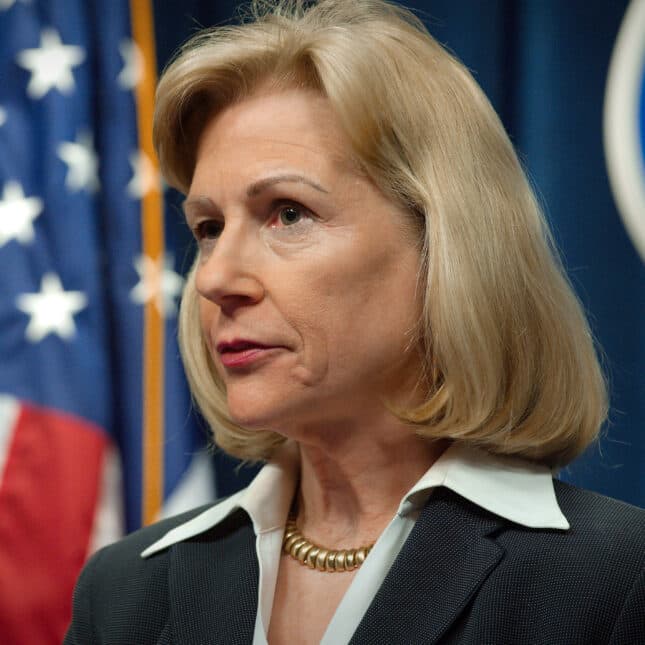
Nancy Cox did more than study influenza. She helped build the surveillance machinery that public health authorities still rely on to see the next threat coming, linking CDC scientists with laboratories and epidemiologists across the world.
As the longtime leader of the CDC’s influenza team, Cox spent 22 years guiding work that stretched far beyond Atlanta. CDC says its Influenza Division has served as a World Health Organization Collaborating Center for Surveillance, Epidemiology, and Control of Influenza since 1956, part of a global system the WHO says was established in 1952 and now includes 151 national influenza centers in 127 countries, plus seven WHO collaborating centers. That network underpins vaccine-strain selection twice a year and remains central to monitoring viruses that change constantly.
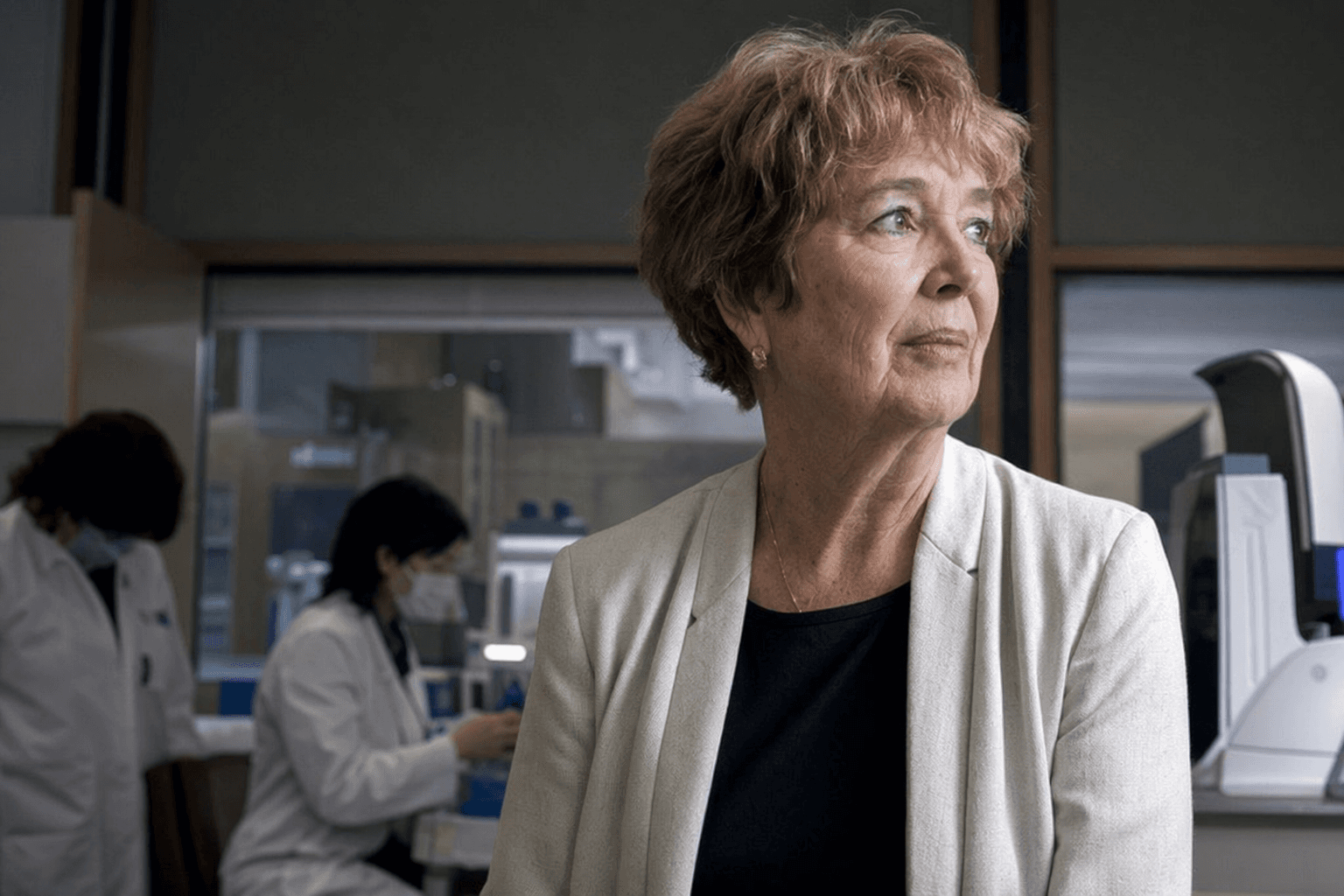
Cox was at the center of that effort from the start of her CDC career in 1976, according to the World Health Organization. She led the Influenza Branch and later the Influenza Division until her retirement in December 2014 after 37 years, and she also directed the CDC WHO Collaborating Centre for Influenza from 1992 to 2014. By the time she stepped down, she had published 278 papers and built a career defined by coordination as much as discovery.
Her influence was felt in crises that tested the global system she helped shape. The WHO said Cox played a pivotal role in the response to the 1997 H5N1 outbreak in Hong Kong and the 2009 H1N1 pandemic. She was also one of the principal architects of GISAID, the data-sharing platform that transformed the rapid exchange of influenza genetic sequences and gave scientists a faster way to track how the virus was moving and mutating.
That institutional legacy still matters. CDC says its Global Influenza Program now works in 125 countries, with eight regional hubs, more than 40 cooperative agreements and more than 45 field staff embedded around the world. Its forecasting work began in 2013 with the Predict the Influenza Season Challenge and has evolved into weekly forecasts of flu-related hospitalizations using National Healthcare Safety Network data. CDC says that kind of vigilance remains essential because novel influenza A viruses can trigger a pandemic.
In 2006, CDC Director Julie L. Gerberding praised Cox’s leadership in pandemic preparation, saying her work was making a difference in the fight against seasonal flu and in preparation for the next influenza pandemic. Raised in rural Curlew, Iowa, Cox studied at Iowa State University and later at Darwin College, University of Cambridge. She pursued influenza because of its global reach and relentless change, and she left behind a system built to meet both.
This article was produced by Prism’s automated news system from verified source data, official records, and press releases, then run through automated quality and moderation checks before publishing. The system is built and supervised by the people who set the standards it runs under. Read our full AI policy.
Did this article answer your question?