CDC releases $107 million to fight Ebola in Congo, Uganda
CDC is putting $107 million into Ebola response in Congo and Uganda to slow cross-border spread and keep the outbreak from reaching U.S. hospitals and communities.
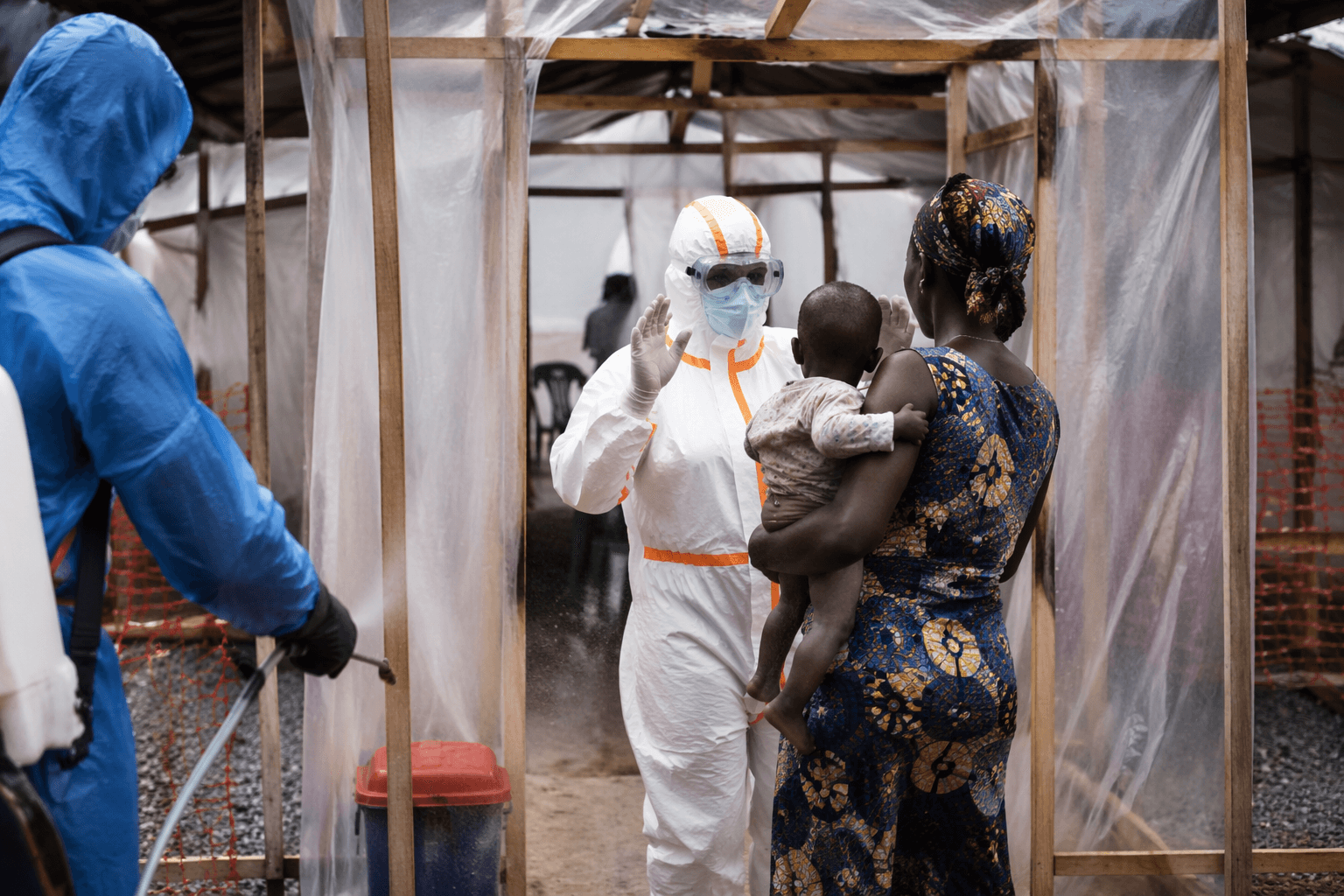
The latest Ebola flare-up in Central Africa is being treated in Washington as a health-security threat, not a distant humanitarian story. The Centers for Disease Control and Prevention said it would release $107 million in emergency funding for response efforts in the Democratic Republic of the Congo and Uganda, aiming to blunt cross-border spread, speed detection, and keep fragile health systems from being overwhelmed.
The CDC said the money would support field work, surveillance, and public-health coordination as the outbreak continues to evolve. The agency already has 23 staff members in the field helping with epidemiological investigations and working alongside the Democratic Republic of the Congo’s health ministry. Dr. Satish Pillai, the CDC’s incident manager for the Ebola response, said the effort also includes border-health support and airport screening assessments in Uganda, underscoring that containment depends on more than treating the sick.
Public-health officials are watching the outbreak closely because the virus, caused by Bundibugyo virus, is moving through a difficult environment marked by humanitarian crisis, insecurity, remote and densely populated areas, and heavy population and trade movement. The World Health Organization declared the event a public health emergency of international concern on May 17, the same day the CDC said it mobilized response activities after Ebola was confirmed in Ituri Province, Congo, and cases were identified in Uganda. WHO has said there is no vaccine or specific treatment for the virus species involved, though promising candidates are under study.
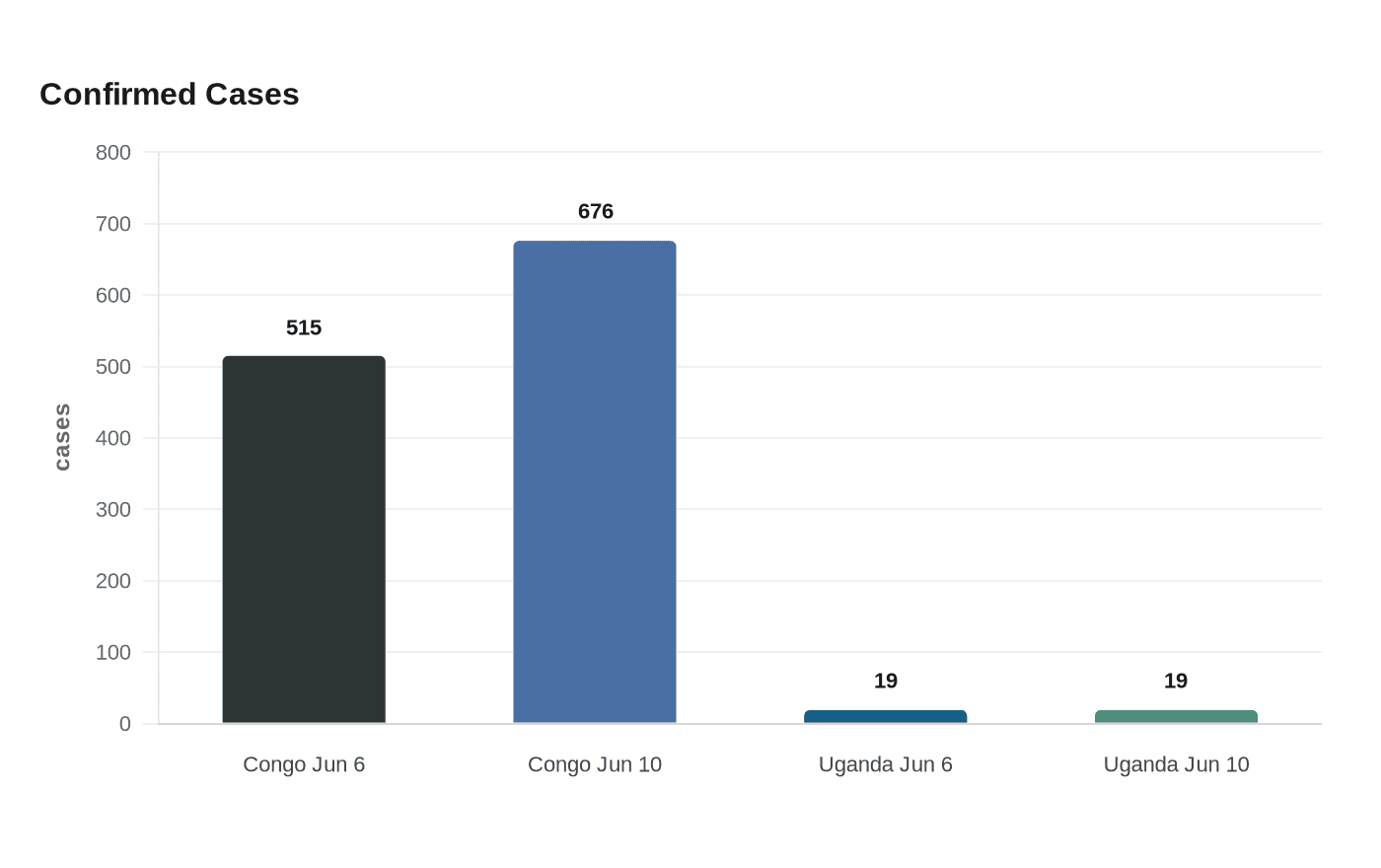
The numbers have climbed quickly. WHO said on June 6 that Congo had recorded 515 confirmed cases and 91 deaths, while Uganda had 19 confirmed cases and two deaths. By June 10, Congo’s tally had risen to 676 confirmed cases and 136 deaths, while Uganda remained at 19 confirmed cases and two deaths, plus one probable death. Those figures help explain the urgency behind the CDC spending: once Ebola reaches travel corridors, treatment centers, or border communities, delays in detection can quickly turn local transmission into regional strain.

The CDC said on June 18 that no Ebola cases had been confirmed in the United States from this outbreak and that the risk to the American public and travelers remained low. Even so, the agency and the Department of Homeland Security began enhanced travel screening, entry restrictions, and public-health measures on May 18 for certain travelers recently in Congo, Uganda, or South Sudan. U.S. citizens and nationals may still enter the country, but they face enhanced screening and 21 days of symptom monitoring after leaving affected areas.
The agency also reported that an American citizen who tested positive after humanitarian work in Congo has recovered, and that high-risk contacts have completed monitoring without symptoms. The response reflects a lesson that COVID made plain: outbreaks abroad can become domestic problems when detection is delayed, coordination is weak, and hospitals are left to absorb the consequences later.
This article was produced by Prism’s automated news system from verified source data, official records, and press releases, then run through automated quality and moderation checks before publishing. The system is built and supervised by the people who set the standards it runs under. Read our full AI policy.
Did this article answer your question?