CDC Report Finds Extensively Drug-Resistant Shigella Cases Surging in U.S.
XDR Shigella rose from 0% to 8.5% of U.S. cases in under a decade, with no FDA-approved oral antibiotics left that reliably work against it.

A decade-long surveillance analysis published by the Centers for Disease Control and Prevention documented a sharp rise in extensively drug-resistant Shigella infections across the United States, with the share of resistant isolates climbing from essentially zero to 8.5% in just over ten years. The findings, released in the agency's Morbidity and Mortality Weekly Report, represent one of the most detailed federal assessments yet of a bacterial threat that has steadily outpaced the antibiotics used to treat it.
XDR Shigella is defined as strains resistant to ampicillin, azithromycin, ceftriaxone, ciprofloxacin, and trimethoprim-sulfamethoxazole, the five drugs that have long formed the backbone of treatment. The CDC's XDR Shigella Working Group examined 16,788 isolates submitted to PulseNet, the national molecular surveillance network for enteric pathogens, using whole-genome sequencing and antimicrobial susceptibility testing. Of those, 510 isolates, or 3.0%, met the XDR threshold, covering the period from 2011 through 2023.
The trajectory is stark. During 2011 through 2015, the proportion of XDR isolates was essentially zero. By 2023, it had reached 8.5%, a shift that public health officials described as a significant and measurable public health concern. Species data were available for 505 of the 510 XDR isolates: 333, or 65.9%, were Shigella sonnei, while the remaining 172, or 34.1%, were Shigella flexneri.
The epidemiologic profile of XDR cases diverges sharply from what clinicians might expect of a foodborne illness spread through contaminated water or produce. The median patient age was 41 years, with an interquartile range of 31 to 54. Men accounted for 86.2% of cases. Among patients for whom HIV status was documented, 46.6%, or 54 of 116, reported HIV co-infection. The report underscores sexual transmission as a documented pathway in a portion of adult cases, pointing to specific prevention and outreach needs within affected communities.
The domestic spread of these strains, not travel exposure, dominated the case profile. Among patients with travel history recorded, 76.2% reported no recent domestic travel and 82.4% reported no recent international travel, suggesting XDR Shigella is circulating within the country rather than being repeatedly reintroduced from abroad.
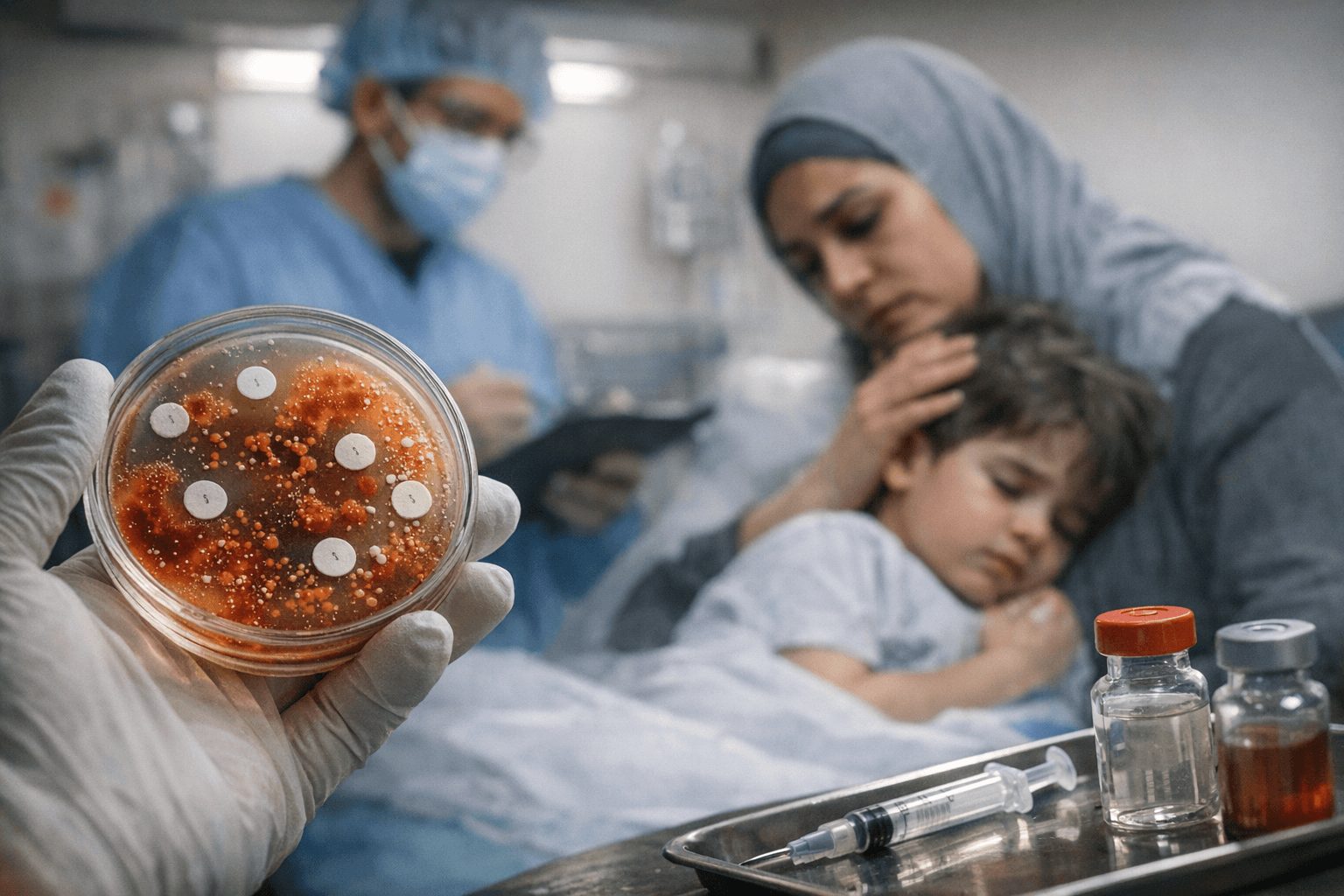
There is currently no clinical data supporting alternative treatments for cases where standard options fail. To date, the CDC has not found resistance among Shigella isolates with meropenem, and fosfomycin resistance has been rare. However, neither fosfomycin nor meropenem have been sufficiently studied in shigellosis, leaving clinicians without reliable, approved oral options for severe cases or outbreak control. Many Shigella infections resolve on their own, but antibiotics are indicated when disease is severe or when reducing transmission in high-risk settings is essential.
The CDC called for strengthened surveillance, rapid reporting, and judicious use of antimicrobials. The agency also emphasized culture and susceptibility testing to guide individual clinical decisions, rather than relying on empiric treatment regimens that XDR strains have rendered ineffective.
An estimated 77,000 antibiotic-resistant Shigella infections occur in the United States each year, and the new report makes clear that a growing share of those infections now carry resistance profiles that leave physicians with few good options. The rise from near-zero to a measurable fraction of all isolates within a single decade illustrates how quickly bacterial pathogens can accumulate resistance determinants, and how urgently the development of new antimicrobials and targeted public health interventions is needed.
Sources:
Know something we missed? Have a correction or additional information?
Submit a Tip