FDA Clears InVera Infusion Device for Minimally Invasive Varicose Vein Treatment
InVera Medical secured FDA 510(k) clearance for a non-thermal catheter device that treats varicose veins using sclerosing agents, with no heat or implanted hardware required.
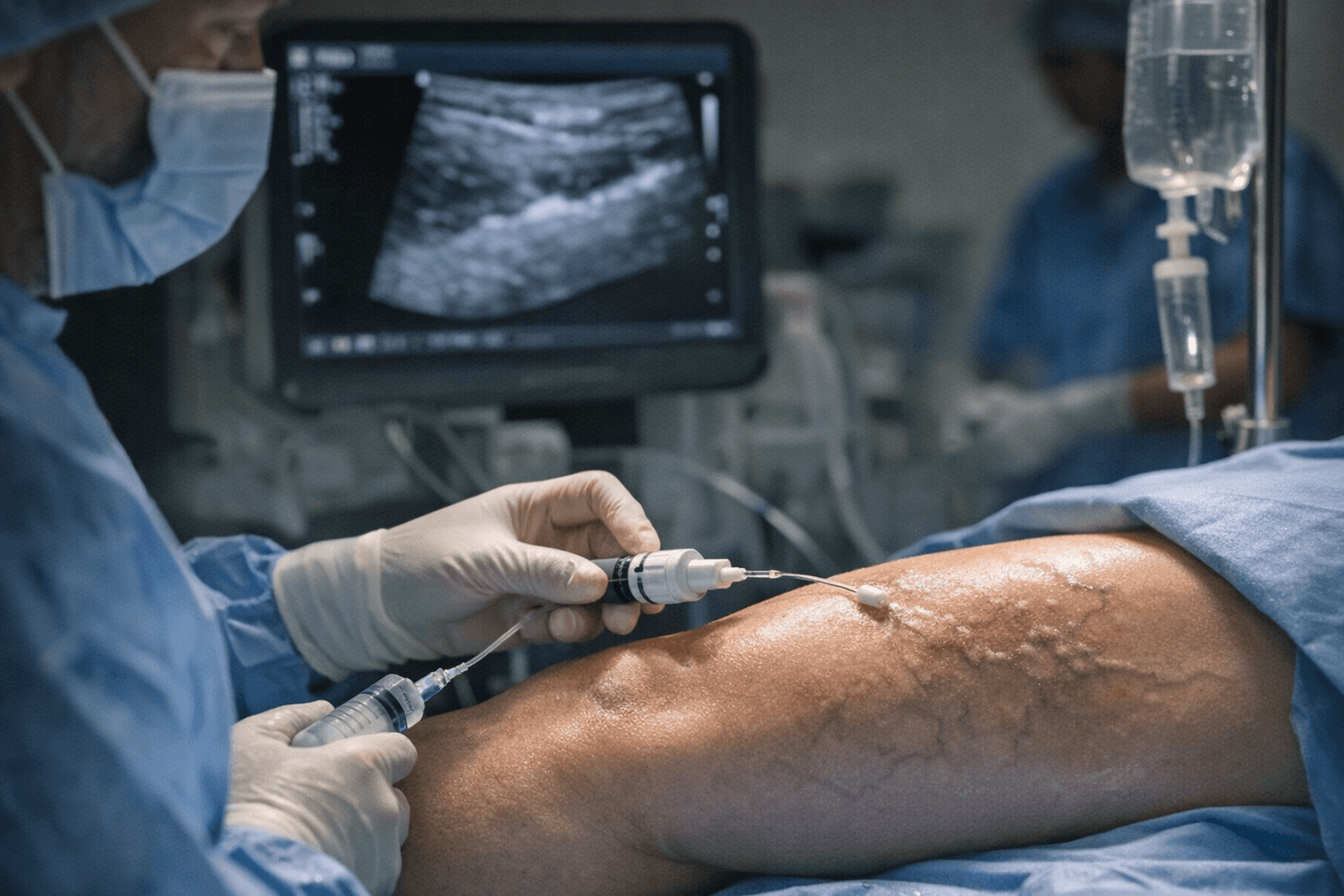
InVera Medical, the Galway, Ireland-based medical device company, secured FDA 510(k) clearance for its InVera Infusion Device, a catheter-based system designed to deliver sclerosing agents directly into diseased leg veins without the use of heat or permanent implants.
The clearance, announced April 7, positions the device as a new entry point for treating chronic venous disease, a condition that affects a substantial share of the adult population in developed countries and encompasses symptomatic varicose veins. Current treatment options range from conservative compression therapy to endovenous thermal ablation and surgical stripping. The InVera system targets the chemical treatment end of that spectrum, but with a precision catheter delivery mechanism intended to improve sclerosant infusion into targeted diseased veins with greater comfort and accuracy than conventional approaches.
The 510(k) pathway means the FDA determined the InVera device is substantially equivalent to a legally marketed predicate device, giving the company authority to begin commercial sales across the United States. InVera Medical plans to pursue broader clinician adoption and payer engagement as it moves toward reimbursement conversations with insurers.
Pilot clinical data from a 12-month study is scheduled for presentation at upcoming vascular symposia, which will give physicians their first structured look at outcome metrics from the device. That data will be closely watched by ambulatory vascular centers weighing whether to add the InVera system alongside or in place of existing thermal platforms.
The non-thermal design is a deliberate clinical differentiator. Endovenous thermal ablation, which uses laser or radiofrequency energy to close diseased veins, carries risks of heat-related tissue effects and in some configurations requires implanted components. The InVera system sidesteps both concerns by relying on chemical sclerosant delivered through its catheter, with no energy source applied to surrounding tissue and no hardware remaining in the patient.
If adoption gains traction, the device could shift a portion of venous procedures away from thermal platforms, altering purchasing decisions at outpatient vascular facilities and affecting practice economics for ambulatory care centers. The clearance also underscores continued small-company innovation in the venous disease space, where procedural volume has grown alongside aging populations and expanded outpatient capacity.
The 510(k) clearance gives InVera Medical its regulatory foundation to commercialize in the United States market. Postmarket evidence from ongoing clinical presentations will ultimately determine whether vascular specialists integrate the infusion approach into routine practice.
This article was produced by Prism’s automated news system from verified source data, official records, and press releases, then run through automated quality and moderation checks before publishing. The system is built and supervised by the people who set the standards it runs under. Read our full AI policy.
Did this article answer your question?


