CDC restricts green card holders from countries with Ebola outbreaks
Green card holders who recently passed through Ebola-hit countries can now be blocked from returning, as the U.S. widens airport screening and entry restrictions.
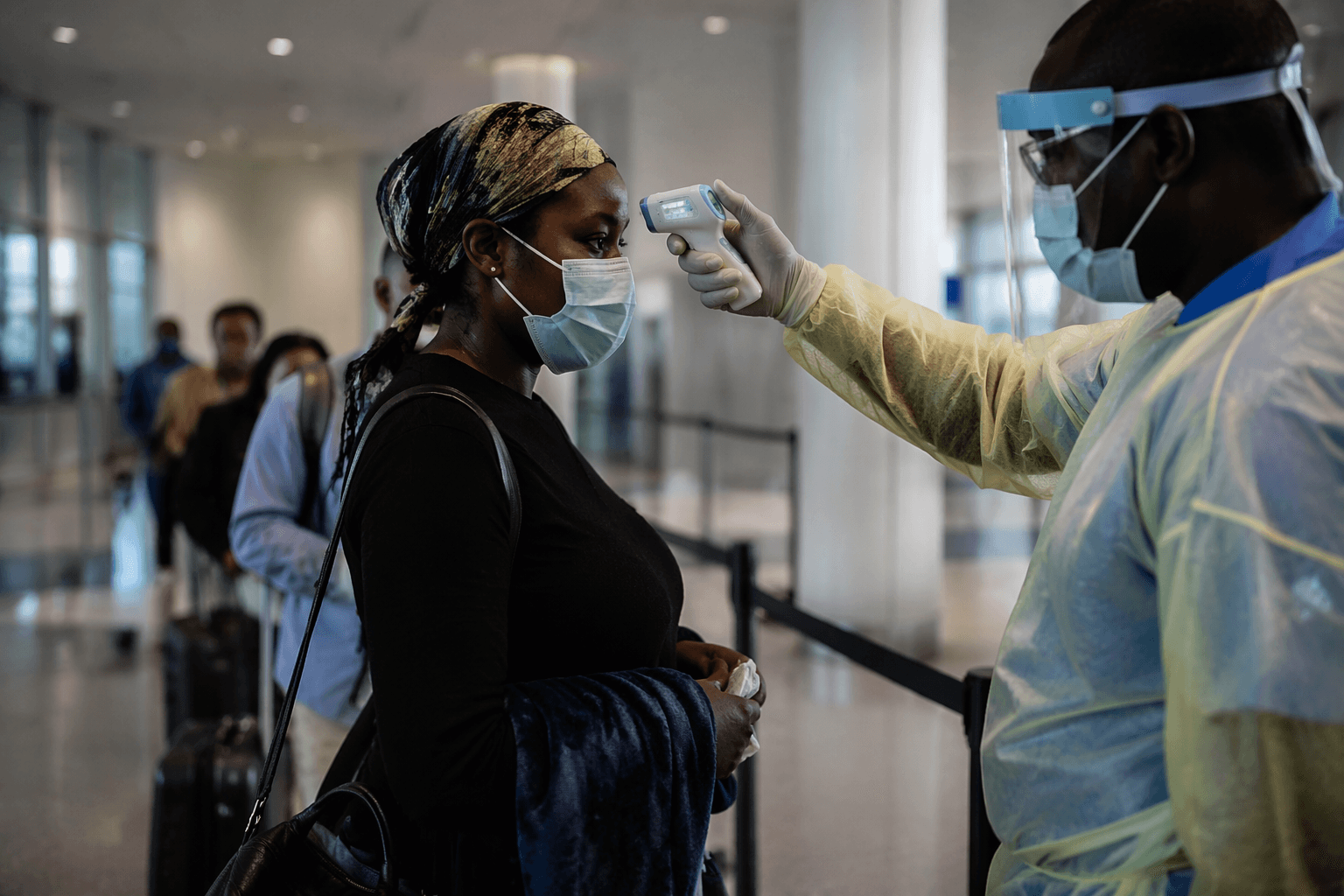
Green card holders who recently traveled through countries affected by Ebola are now being pulled into a tighter U.S. border regime, a sharp expansion of public-health control that reaches beyond the temporary travelers traditionally caught by outbreak screening. The change means lawful permanent residents who have been in the affected region may face new barriers to reentry as federal officials try to keep Ebola from crossing into the United States.
The Centers for Disease Control and Prevention said on May 18 that it was implementing enhanced travel screening, entry restrictions and other public-health measures to prevent Ebola disease from entering the country. By May 22, the agency said those safeguards were being used amid outbreaks in East and Central Africa, where the World Health Organization had already declared a Public Health Emergency of International Concern on May 17.
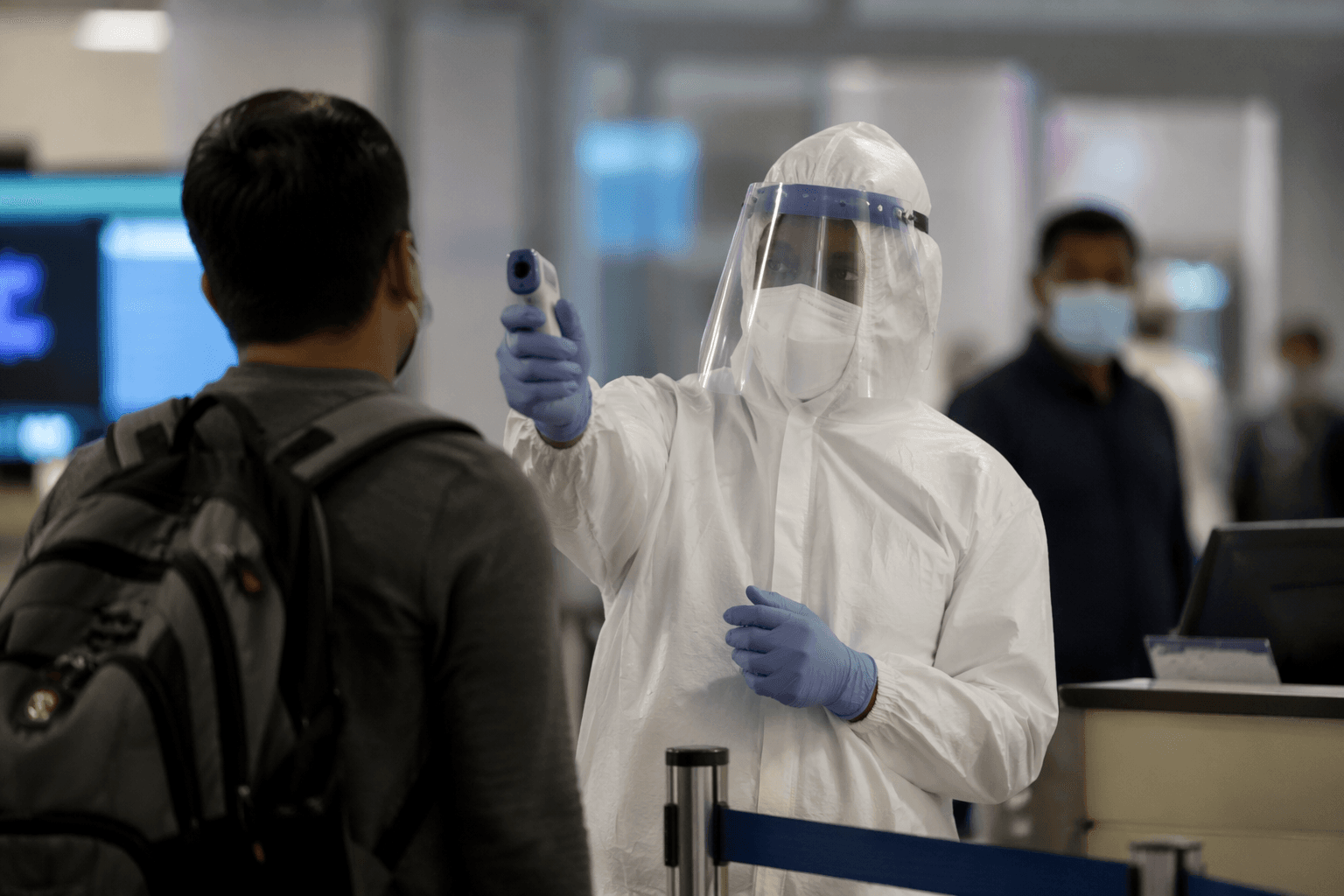
WHO said the outbreak in the Democratic Republic of the Congo and Uganda was caused by Bundibugyo virus disease, a species of Ebola. It warned that past Bundibugyo outbreaks have carried case fatality rates between 30% and 50%, and said there is no licensed vaccine or specific therapeutic for the virus species. The CDC’s Health Alert Network notice said that as of May 16, the DRC had reported 246 suspected cases and 80 deaths. Later reporting put the region’s total at more than 800 suspected and confirmed cases and at least 177 deaths.
The legal and practical force of the restriction matters because permanent residents are normally treated differently from many short-term visitors. In this case, the government is extending Ebola-era screening logic to green card holders who had recently been able to expect routine reentry, a shift that raises questions about how far emergency health powers can reach when the people affected are not tourists or temporary workers, but people with legal residence in the United States.
Enforcement is being built around airports, just as it was in the 2014 Ebola response. Then, CDC and the Department of Homeland Security started enhanced entry screening on October 11, 2014, at five airports, John F. Kennedy, Newark, Washington Dulles, Chicago O’Hare and Hartsfield-Jackson Atlanta, which CDC said handled more than 94% of travelers from Ebola-affected nations. The earlier program focused on passengers from Guinea, Liberia and Sierra Leone during Ebola’s 21-day incubation period.
The 2026 response is narrower in geography but broader in reach. Current reporting says Hartsfield-Jackson Atlanta International Airport and Houston George Bush Intercontinental Airport have been added to the screening network, alongside Washington Dulles, for passengers from affected countries. The immediate public-health case is strong, especially with cross-border spread and uncertain outbreak size. The harder question is whether a measure aimed at disease control is now setting a precedent for restricting permanent residents whenever an overseas health emergency intensifies.
Know something we missed? Have a correction or additional information?
Submit a Tip