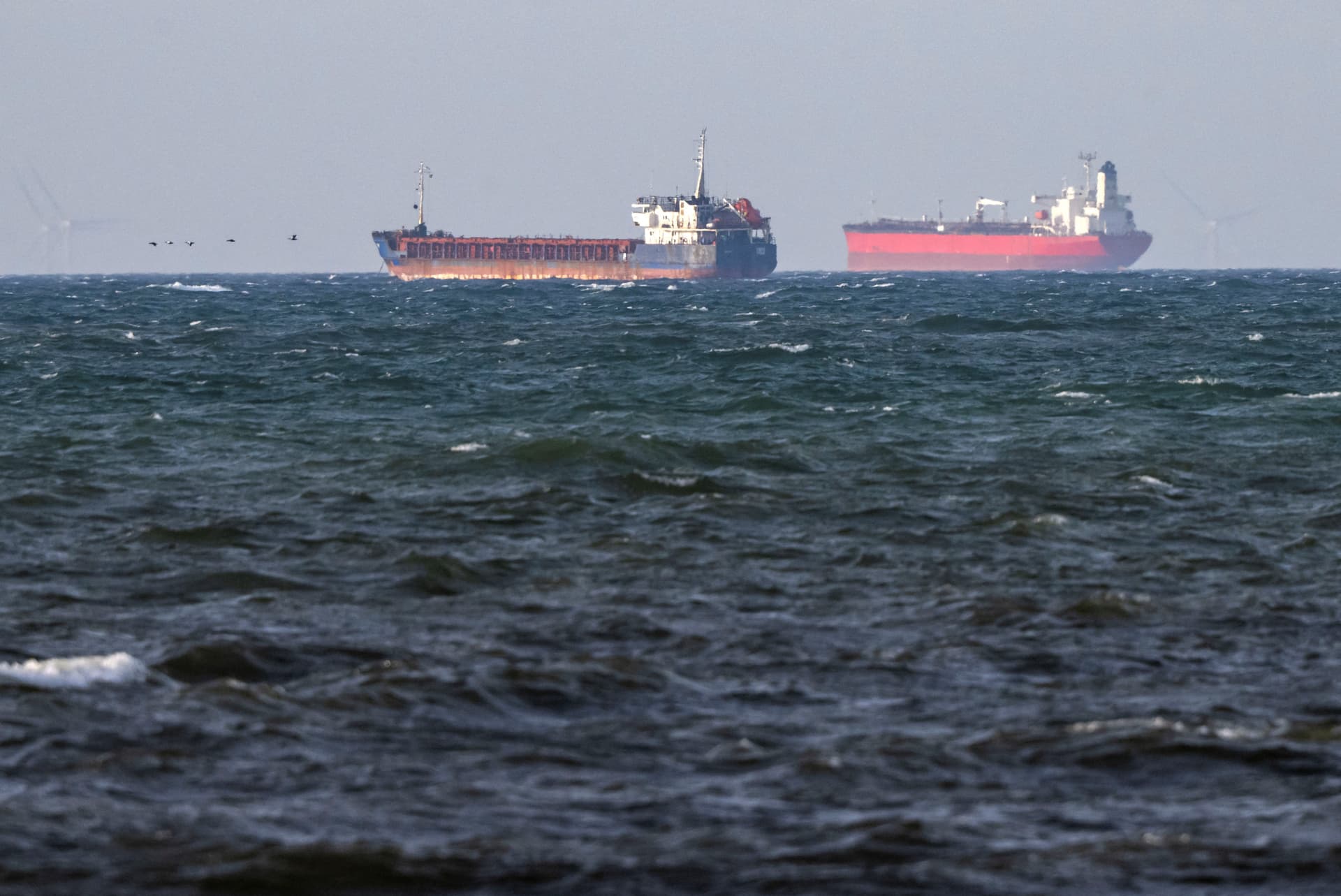
Ceasefire falters as Israel and Hezbollah keep fighting in Lebanon
Lebanese families keep fleeing as a ceasefire unravels and strikes resume. More than 4,040 people have been killed in Lebanon since October 2023.
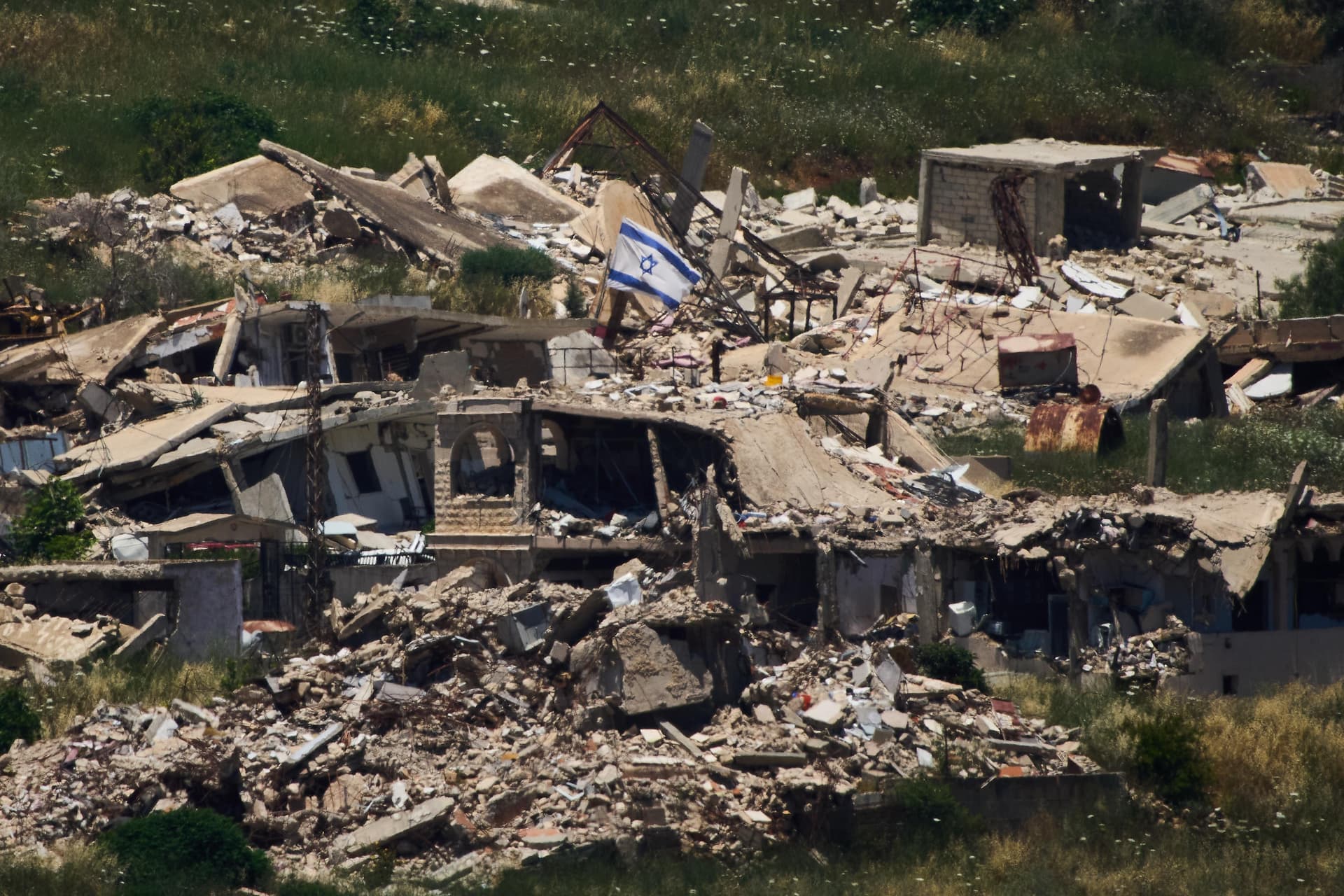
A new ceasefire push between Israel and Hezbollah has stalled, and Lebanon’s civilians are again paying the price. On June 4, Israeli strikes killed at least four people, a U.N. peacekeeper was killed in the crossfire and an Israeli soldier died in combat in southern Lebanon, a reminder that the border fighting is still active and deadly.
Hezbollah rejected the latest agreement reached between Israel and the Lebanese government, saying it would not accept terms that required a complete Israeli withdrawal from Lebanon. The group also objected to any arrangement that would push its fighters out of southern Lebanon. The rejected deal reportedly included pilot security zones inside Lebanon and a provision for Hezbollah’s eventual disbanding, terms that made the diplomacy especially fragile and left Lebanese authorities with little ability to restore order in the south.
The scale of the violence is already overwhelming. By Sept. 20, 2024, the United Nations said more than 10,200 attacks had been exchanged between Israel and Hezbollah and other armed groups in Lebanon. More than 8,300 of those were Israeli attacks, which killed at least 752 people in Lebanon. Hezbollah and other armed groups carried out more than 1,900 attacks that killed at least 33 Israelis. The conflict escalated sharply after Oct. 7, 2023, and the pressure on Lebanon has only deepened since then.
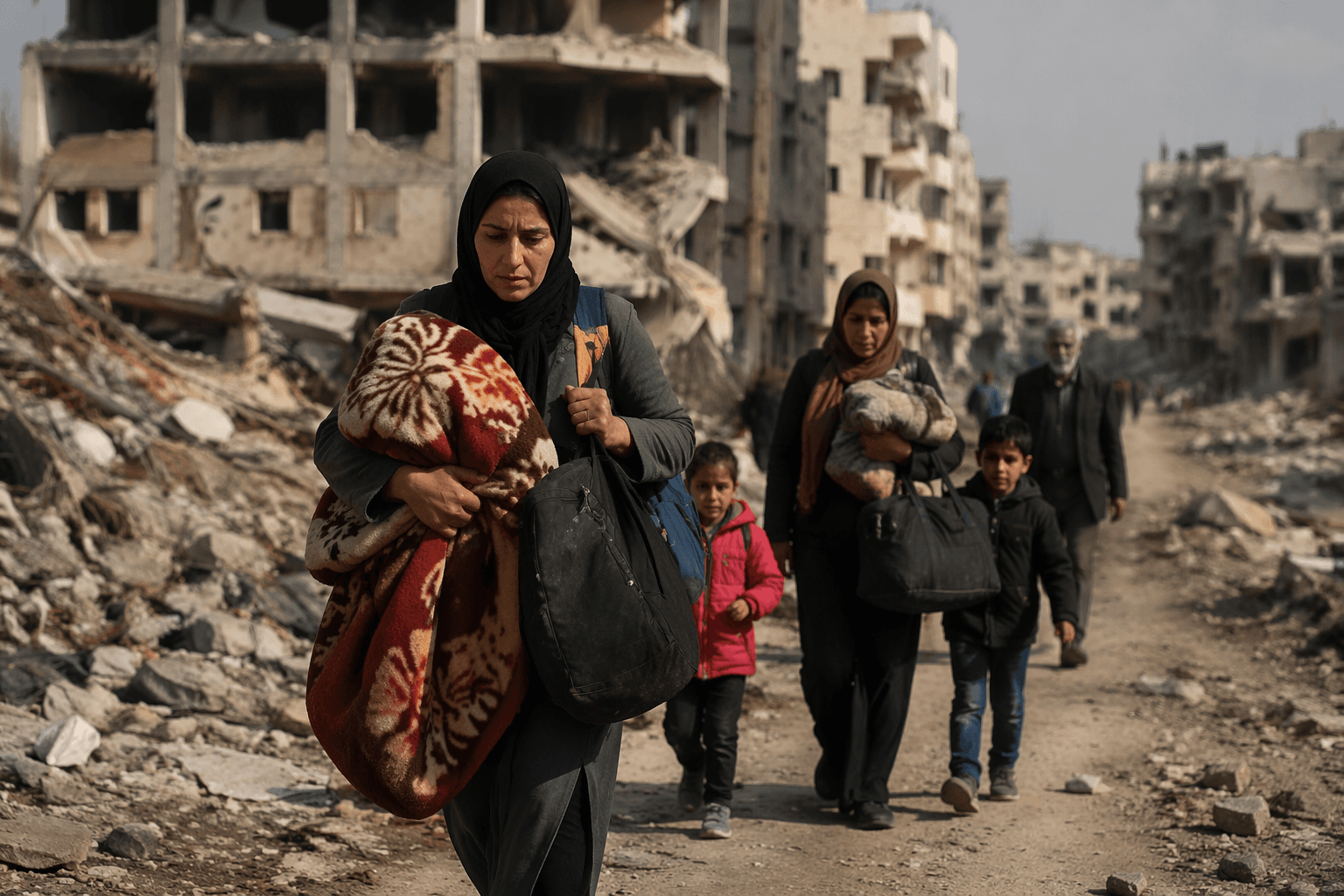
UNICEF said the period after Sept. 23, 2024 was the deadliest Lebanon had experienced in decades. It reported that more than 4,040 people had been killed in Lebanon since October 2023, and that during the worst of the escalation more than three children were being killed every day. Those numbers show how quickly the war has turned from a military exchange into a public health catastrophe, with hospitals, schools and households forced to absorb repeated waves of trauma and loss.
A United Nations human rights report in April 2026 documented deaths, displacement and damage to health, education, housing, work, safe environment and freedom of movement during the first three weeks of the latest escalation. Another U.N. report in March 2026 described civilians who had returned home after the 2024 violence, only to be displaced again when fighting resumed. That cycle has hollowed out daily life in southern Lebanon and Beirut’s southern suburbs, where families keep moving, rebuilding and fleeing again.
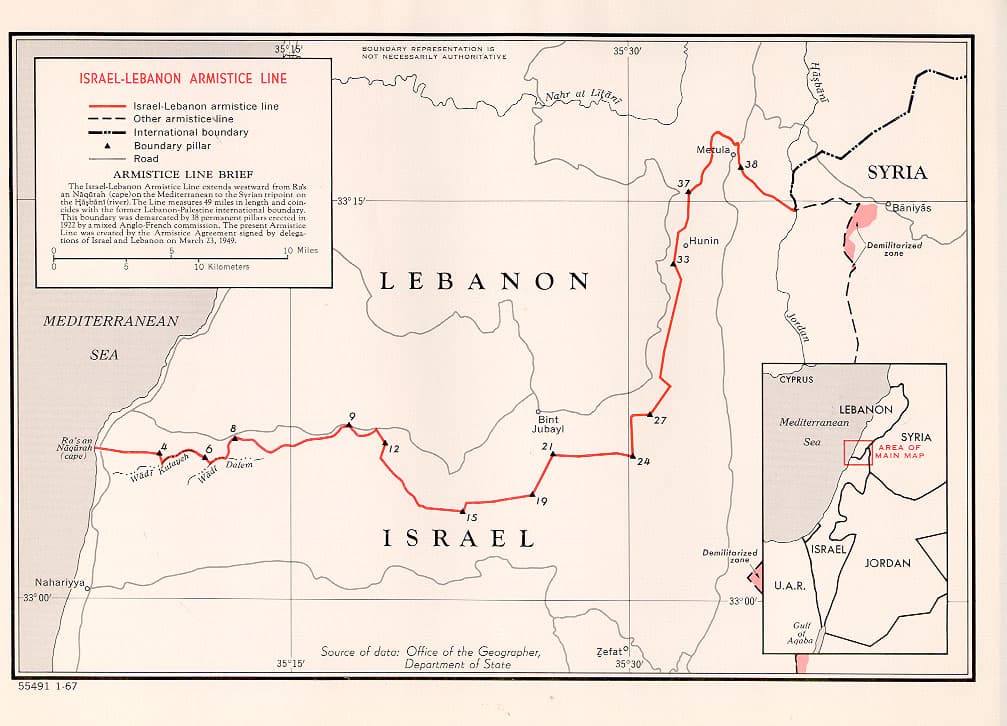
The failed ceasefire leaves Lebanon trapped between a devastated home front and a wider regional confrontation shaped by Iran-linked forces. Without a durable agreement, the country’s security, governance and civilian life remain exposed to another round of strikes, displacement and regional escalation.
This article was produced by Prism’s automated news system from verified source data, official records, and press releases, then run through automated quality and moderation checks before publishing. The system is built and supervised by the people who set the standards it runs under. Read our full AI policy.
Know something we missed? Have a correction or additional information?
Submit a Tip