Swedish court approves transfer of Russia-linked cargo ship to Ukraine
A Swedish court handed Ukraine a rare maritime precedent, approving the transfer of Caffa after investigators tied the ship to goods from occupied Ukrainian territory.
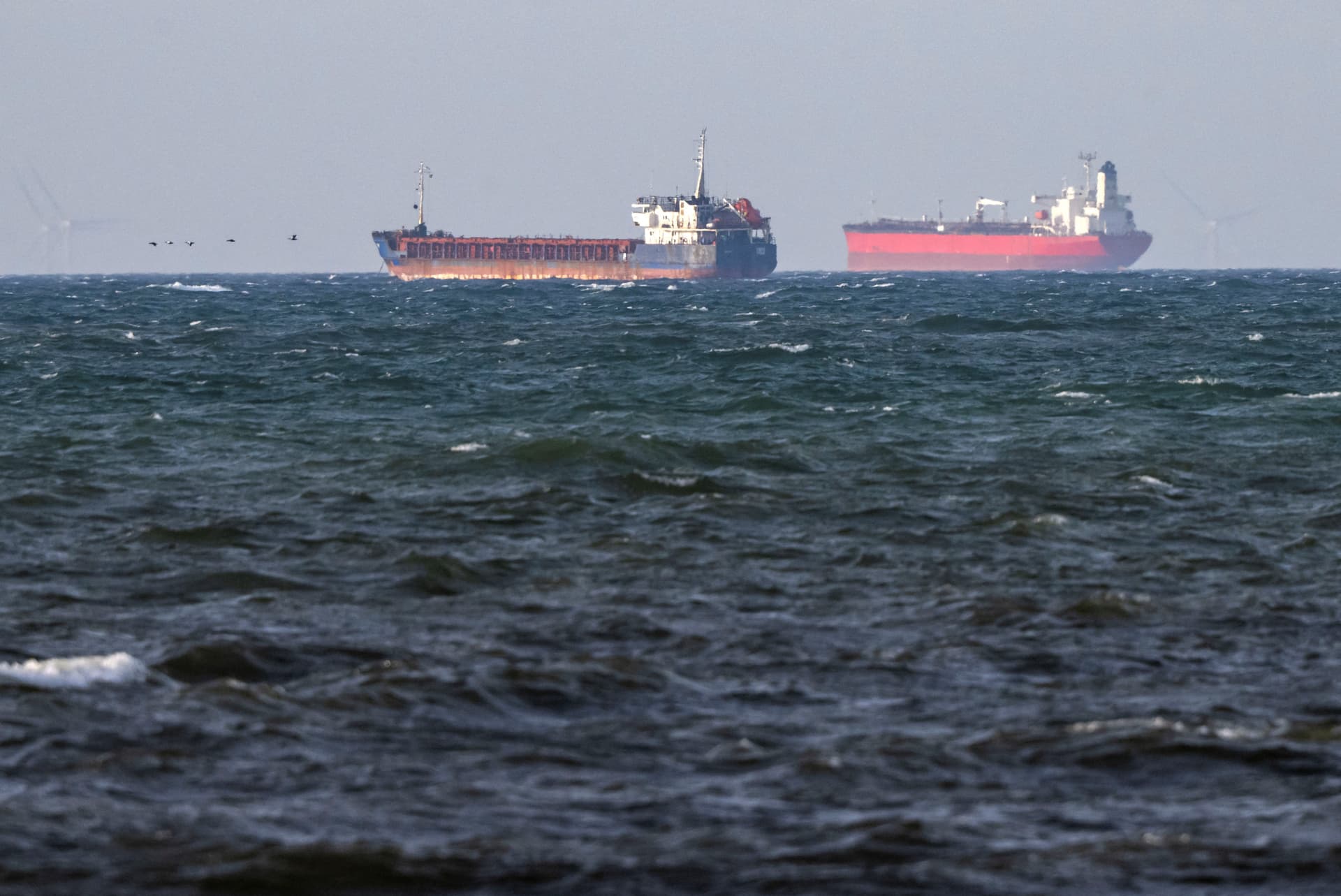
A Swedish court has opened a new legal front in the war over Russia-linked shipping, approving the transfer of the cargo ship Caffa to Ukraine after authorities tied the vessel to exports from occupied Ukrainian territory. The ruling matters beyond one hull: Kyiv is treating it as a template for using foreign courts to challenge shadow-fleet shipping, seize assets and disrupt sanctions evasion without relying only on force or diplomacy.
Swedish police boarded Caffa in territorial waters on March 7, 2026, with help from the Coast Guard, the Police Special Intervention Unit and Police Air resources. The ship was detained off Sweden’s southern coast near Trelleborg after authorities suspected it was sailing under a false flag and said its technical condition left it unseaworthy. One crew member was formally notified of suspected crimes during the boarding.
The vessel’s identity trail deepened the case. Swedish authorities described Caffa as stateless, while its AIS data transmitted a Guinea flag and the Equasis shipping database listed the ship’s flag as Guinea False. Most of the 11 crew members were Russian citizens, and investigators said the ship had traveled from Casablanca to St. Petersburg before the detention. The captain was arrested on suspicion of using forged maritime certificates, then released after arguing that he did not know the documents were fake, a claim investigators could not disprove.
For Ukraine, the stakes go well beyond a single cargo route. Ukrainian prosecutors say Caffa was linked to the illegal transport of grain from occupied Sevastopol to Syria, including a July 2025 loading in Sevastopol and a delivery to Tartus. Ukraine later added the vessel to its sanctions list because of the alleged shipment of goods from occupied land. That wartime trail gives the Swedish decision real political weight: if upheld and replicated, it could help Ukraine and friendly governments turn maritime enforcement into a courtroom tool against vessels that help Moscow monetize occupied assets.
Sweden’s Justice Minister Gunnar Strömmer has framed the case as part of broader efforts against Russia’s shadow fleet, a network that has become central to Baltic Sea security concerns. For Sweden and other coastal states, the Caffa ruling signals that courts can become part of the response, giving legal cover to seize suspect ships, challenge false registration schemes and slow the commercial channels that keep Russia’s war economy moving.
This article was produced by Prism’s automated news system from verified source data, official records, and press releases, then run through automated quality and moderation checks before publishing. The system is built and supervised by the people who set the standards it runs under. Read our full AI policy.
Know something we missed? Have a correction or additional information?
Submit a Tip