Iranian-American journalist in Evin Prison pleads for U.S. help
A recording from Evin Prison captured Reza Valizadeh pleading for medical help for himself and other detained Americans. His case deepens pressure on Washington as Iran holds six U.S. nationals.
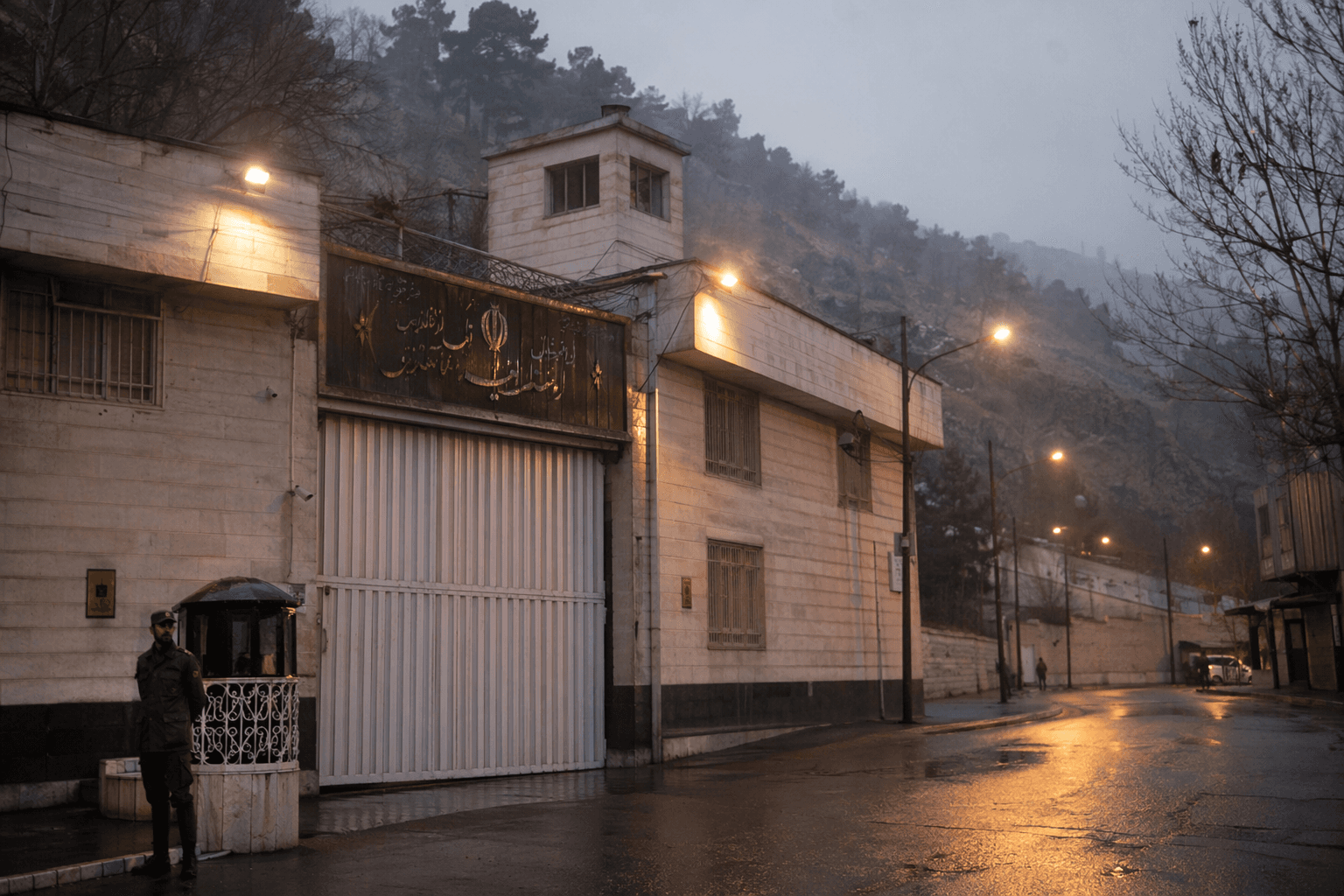
A recording from inside Evin Prison brought a rare, personal appeal out of Iran’s most feared detention center: Reza Valizadeh, the Iranian-American journalist also identified as Abdolreza “Reza” Valizadeh, asked the U.S. government to secure medical help for him and other Americans held in Tehran. He said the prisoners were suffering from “various diseases” and were not receiving real medical care, a plea that puts human pain at the center of a diplomatic dispute that has stretched across two administrations.
Valizadeh is 49 and a dual U.S.-Iranian citizen. Iranian authorities arrested him on Sept. 22, 2024, after he returned to Iran in spring 2024 to see and care for his aging parents, following 15 years away. He had worked for Radio Farda, and he later became a U.S. citizen in 2022. In May 2025, the State Department formally designated him as wrongfully detained, moving his case into the U.S. hostage affairs process.
The recording also sharpened concern about his condition in Evin Prison, where he had been held in solitary confinement. Valizadeh’s lawyer says he has persistent back pain, dental problems, and trouble speaking without coughing after fires caused by an Israeli airstrike on the prison in June 2025. A near-total internet blackout in Iran has made it difficult for detainees and advocates to communicate, although restrictions loosened enough for the recording to reach the outside world.
The State Department believes six Americans are detained in Iran, and U.S. officials are treating their fate as a separate issue from the truce now under negotiation. Multiple people familiar with the diplomacy say the detainees are not expected to be folded into that deal, underscoring how sensitive the negotiations remain as Washington seeks releases without giving Tehran another incentive to use prisoners as leverage.
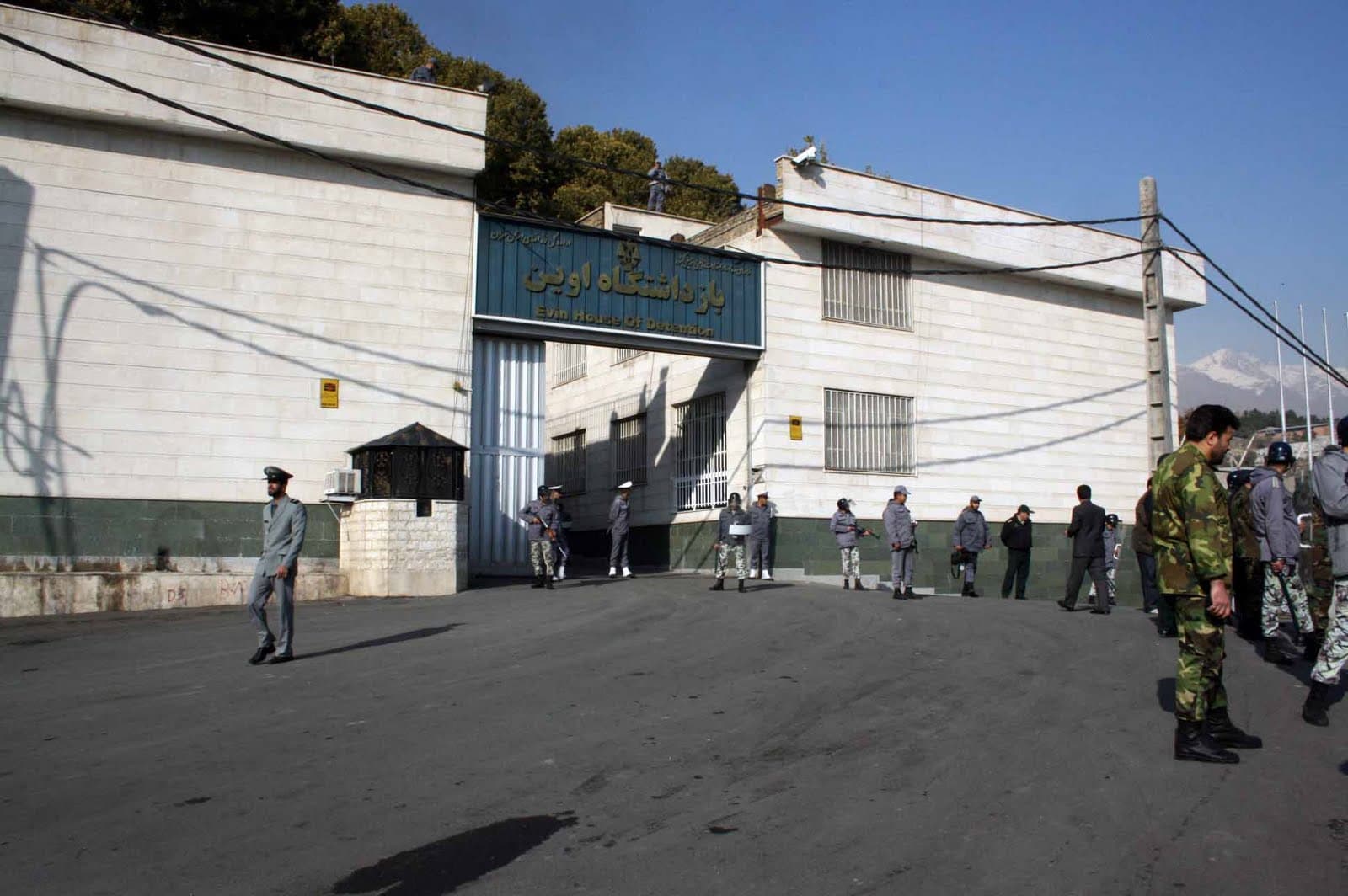
Valizadeh’s case fits a broader pattern that has long strained Iran’s relations with the United States and its allies. Tehran has repeatedly detained dual nationals, journalists and other civilians, forcing U.S. officials into a narrow path between quiet diplomacy and public pressure. Other Americans in Iran’s prisons include Kamran Hekmati, 61, who was arrested in July 2025 while visiting family. For Washington, the stakes are both immediate and enduring: win medical access and freedom for prisoners like Valizadeh, but do not reward hostage diplomacy.
This article was produced by Prism’s automated news system from verified source data, official records, and press releases, then run through automated quality and moderation checks before publishing. The system is built and supervised by the people who set the standards it runs under. Read our full AI policy.
Know something we missed? Have a correction or additional information?
Submit a Tip