NASA orders astronauts into Crew Dragon during ISS air leak repairs
Five astronauts took shelter inside Crew Dragon Freedom as a leak near the Russian Zvezda module worsened, then returned to work about two hours later.
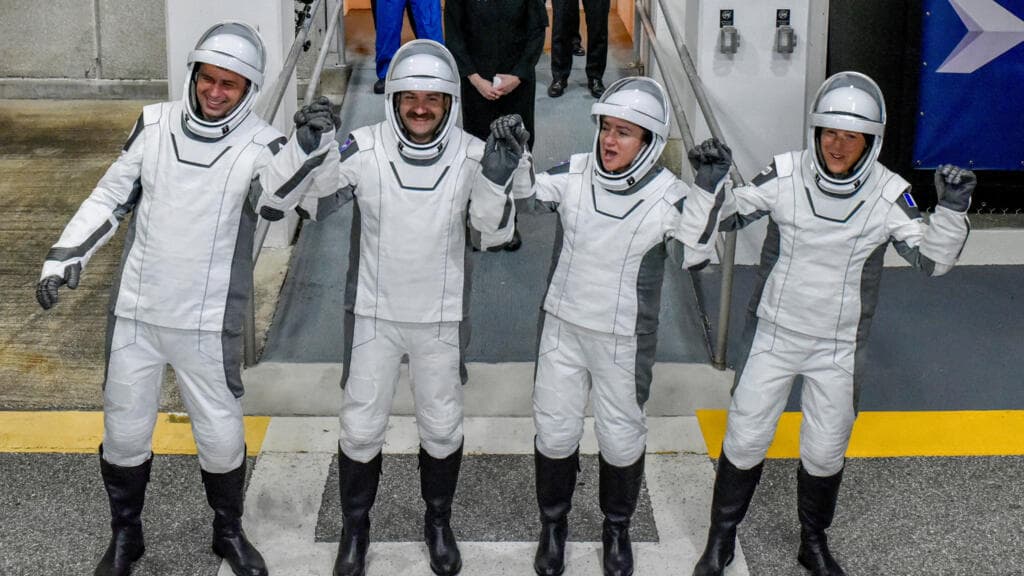
Five astronauts aboard the International Space Station were told to take shelter inside the docked SpaceX Crew Dragon Freedom on Friday after two small air leaks in the Russian Zvezda module drew fresh concern, a reminder that the station’s oldest structures are still carrying the burden of continuous life in orbit.
NASA mission control ordered the five crew members into the spacecraft at 9:04 a.m. ET as two cosmonauts began work on the rear section of Zvezda, where the leaks were detected in the PrK transfer tunnel. The station’s other two astronauts remained outside the safe-haven configuration, and normal duties resumed roughly two hours later when NASA told the crew to end the shelter procedure and return to planned operations.
The astronauts directed into Freedom were Jessica Meir, Jack Hathaway, Sophie Adenot, Andrey Fedyaev and NASA Soyuz astronaut Chris Williams. The shelter order came as Roscosmos, which manages the Russian segment of the station, assessed the problem and later said the outpost remained safe, with stable pressure and no threat to the crew or onboard systems.
The leak issue was not new. Small air losses in the PrK transfer tunnel had been monitored for several years, and the compartment has periodically been sealed off and kept at lower pressure to slow the loss of air. Repair efforts have produced mixed results, and NASA and Roscosmos have spent months debating the cause and possible fixes. On Friday, the leak rate appeared to worsen from about one pound of air per day to two pounds per day, sharpening the urgency even though the station itself never lost pressure control.
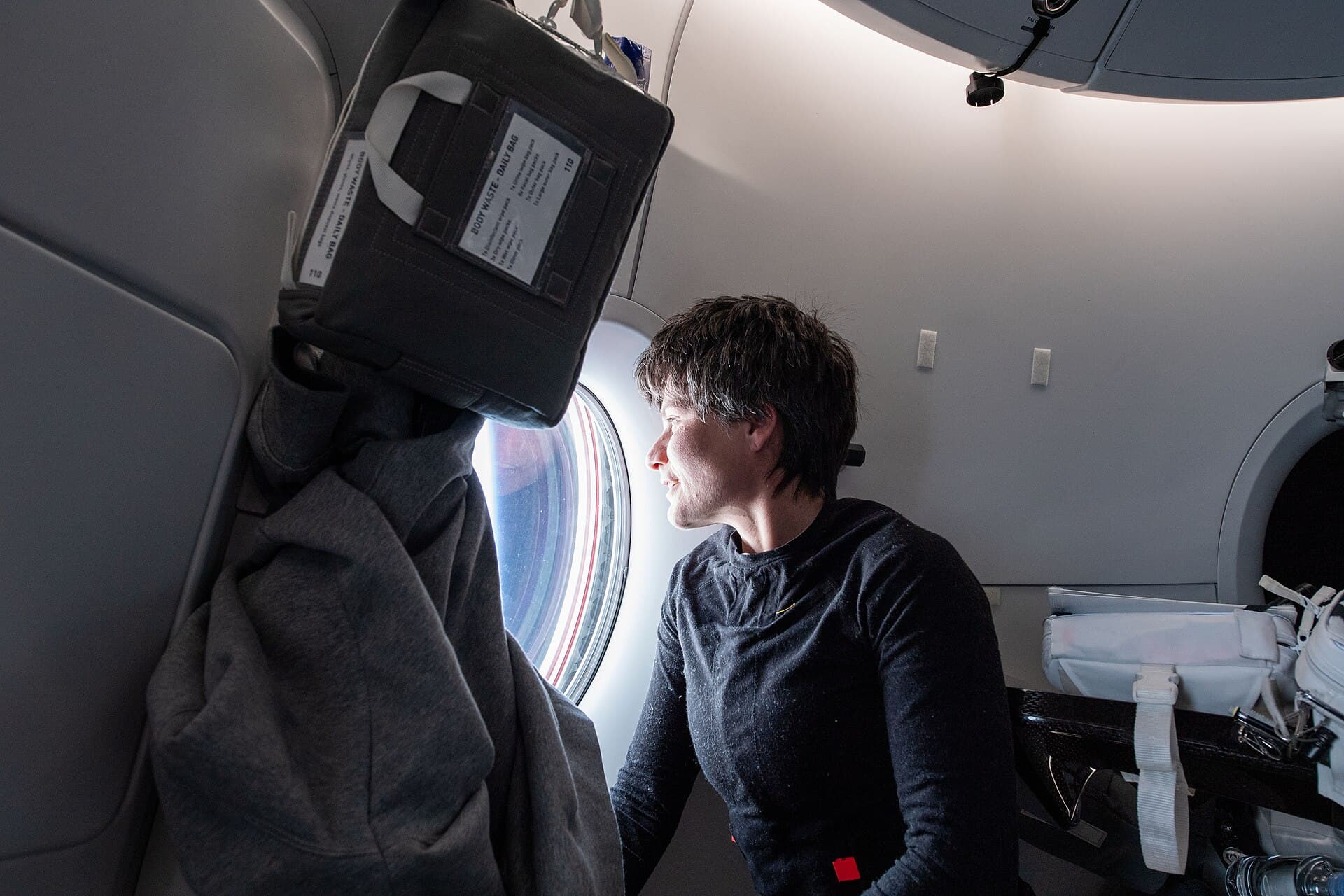
Roscosmos said one leak had been sealed with a two-component sealing compound and preparations were underway to seal the second. NASA later lifted the safe-haven order after Roscosmos paused the structural repair effort to gather more measurements and data, a sign that the response depended on redundancy built into the station’s operations as much as on the patch itself.
The episode underscored the fragility of the Russian segment of the football-field-size orbital laboratory, which was hosting seven astronauts from two missions at the time. The quick move into Crew Dragon Freedom showed how the station’s backup systems still work as designed, but it also pointed to a harder reality: as Zvezda ages, every repair becomes part emergency response, part long-term test of how much longer the station can reliably hold together.
This article was produced by Prism’s automated news system from verified source data, official records, and press releases, then run through automated quality and moderation checks before publishing. The system is built and supervised by the people who set the standards it runs under. Read our full AI policy.
Know something we missed? Have a correction or additional information?
Submit a Tip