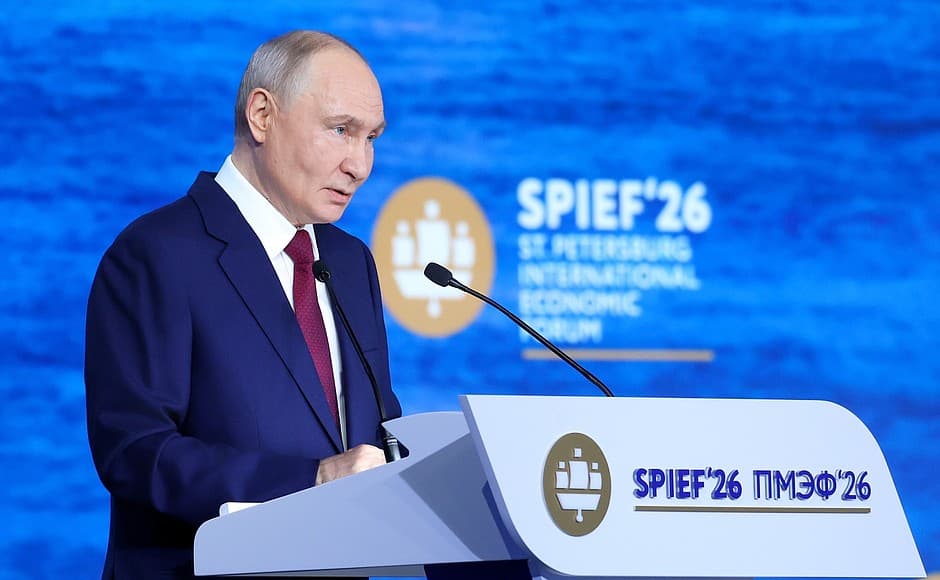
Hegseth’s France trip raises questions about family security costs
Hegseth is paying for his family’s airfare to France, but the Pentagon may still shoulder the larger cost: security, staffing, and diverted investigators.
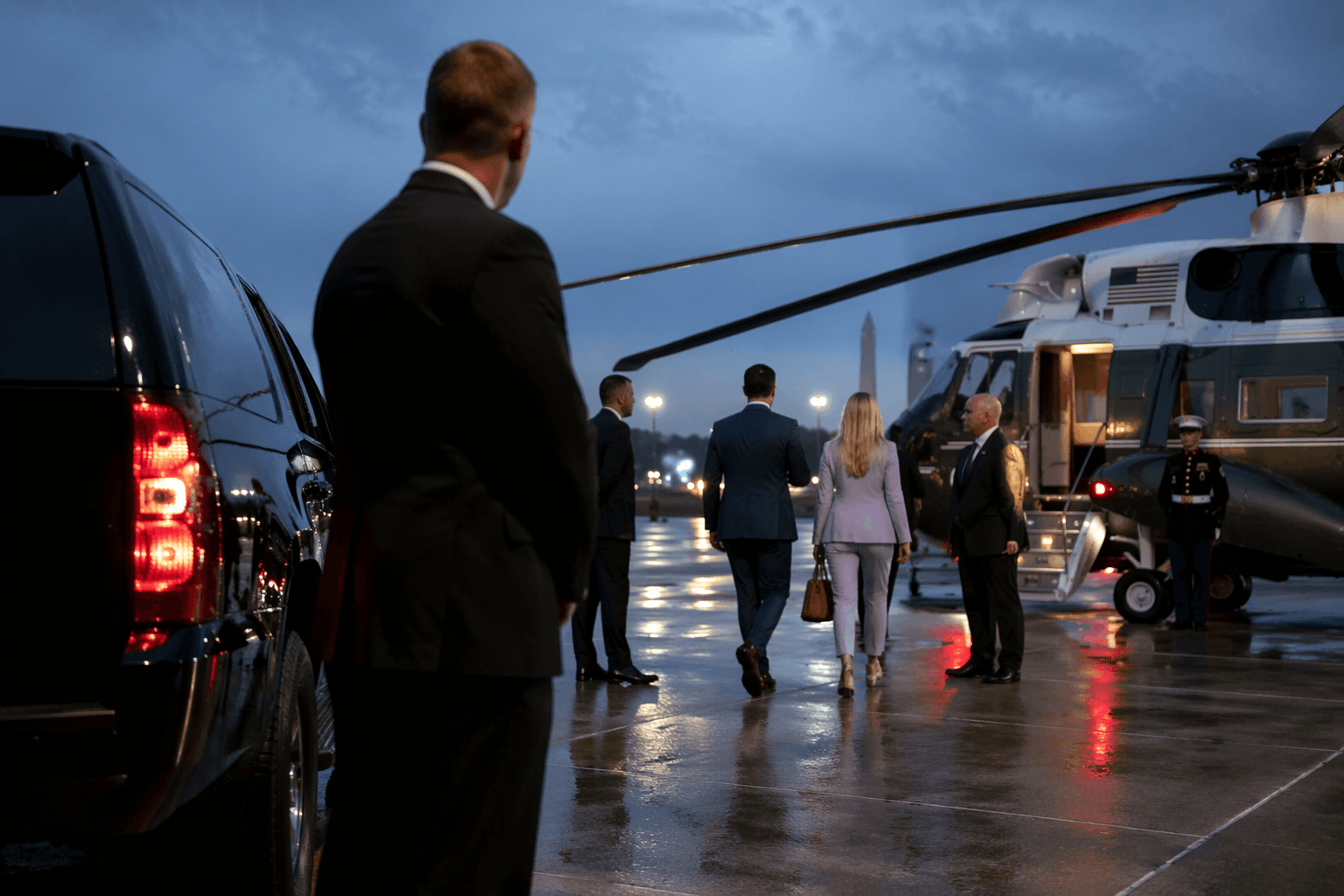
Pete Hegseth’s France trip puts a private-family expense on top of a public-security problem. The Pentagon says the defense secretary is covering his family’s travel costs, but bringing six children to official business can still add pressure on a protection apparatus already stretched by what officials describe as a higher threat environment.
The Pentagon announced the trip on June 4, 2026, saying Hegseth is traveling to France for June 6 events marking the 82nd anniversary of the D-Day landings in Normandy. The department said he will also meet with the French Prime Minister and the French Minister of the Armed Forces, keeping the visit anchored in both ceremony and diplomacy.

That matters because the expense that taxpayers do not see is often not the airfare. Protective details, advance planning, motorcades, hotel security, and staffing all scale upward when a senior defense official travels with a large family. In Hegseth’s case, the question is whether those added burdens fall on the Pentagon and, ultimately, on taxpayers who did not choose the trip but may still underwrite its security tail.
Pentagon spokesman Sean Parnell said in August 2025 that Hegseth’s security was recommended by Army Criminal Investigation Division and was driven by the threat environment. Parnell pointed to attempts on President Donald Trump, assaults on ICE agents, and retaliation threats from Iran. That rationale has become central to the Pentagon’s defense of an unusually large protective setup.
The Washington Post reported that the security detail was large enough to strain Army CID resources and pull agents from criminal investigations. The paper said CID agents were reassigned to protect Hegseth’s family residences in Minnesota, Tennessee, and Washington, D.C. It also reported that about 150 of CID’s roughly 1,500 agents were on personal protective duty before Hegseth arrived at the Pentagon in January 2025, and that the number rose to about 400 to 500 afterward.
That strain has real consequences. Army CID investigates serious crimes including contracting fraud, sexual assault, and violent crime, while also protecting senior defense officials. Every agent shifted to security is one less available for cases that touch service members, defense contracting, and military justice.
Hegseth’s France trip also fits a pattern. A Pentagon travel notice for a similar 2025 Europe trip tied D-Day commemorations in Normandy to NATO defense ministerial meetings in Brussels, alongside a U.S. push for allies to spend 5% of GDP on defense. The symbolism has been clear, but so has the cost of securing it.
This article was produced by Prism’s automated news system from verified source data, official records, and press releases, then run through automated quality and moderation checks before publishing. The system is built and supervised by the people who set the standards it runs under. Read our full AI policy.
Know something we missed? Have a correction or additional information?
Submit a Tip