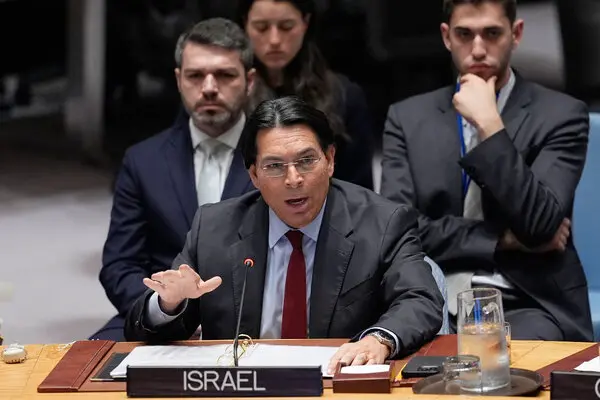
Petro accuses Trump of interfering in Colombia’s runoff election
Petro says Trump crossed a line by backing Abelardo de la Espriella, turning Colombia’s June 21 runoff into a test of U.S. power in Latin America.
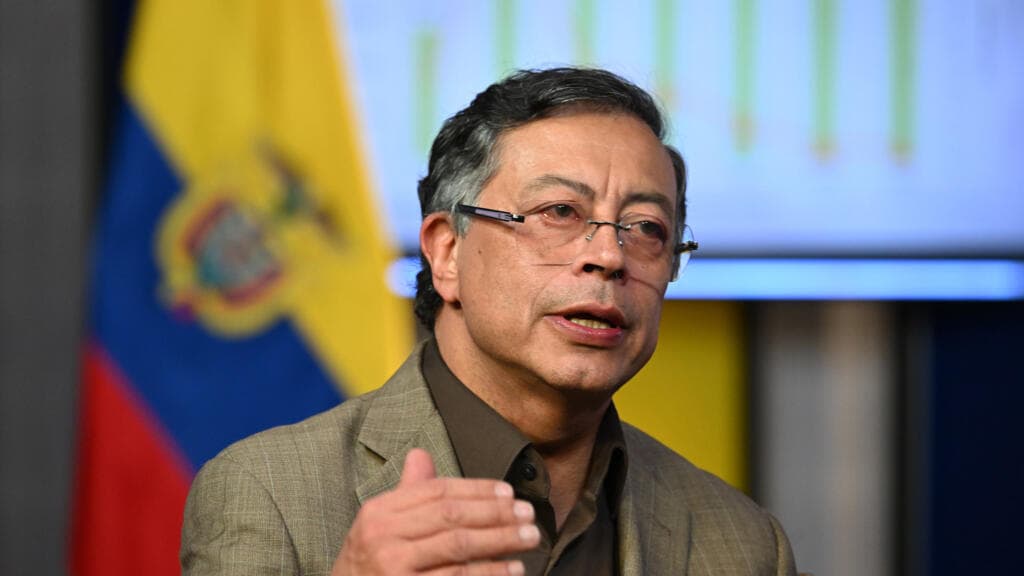
Gustavo Petro said Donald Trump was interfering in Colombia’s presidential race after the U.S. president publicly endorsed right-wing candidate Abelardo de la Espriella ahead of the June 21 runoff. Petro told CBS News’ Lilia Luciano that Trump’s move was “without a doubt” interference, adding that “any interference by one country over another in order to determine the destiny of another is an attempt against freedom.”
The clash came after Colombia’s first-round vote on May 31, when de la Espriella finished first with about 43.7% of the vote and leftist Senator Iván Cepeda followed with about 40.9%, according to Reuters. Neither candidate cleared the threshold to win outright, setting up a runoff that has become a referendum not only on security and the economy, but also on the country’s relationship with Washington.
Trump’s endorsement sharpened the stakes. He said de la Espriella was important for the U.S.-Colombia relationship and called Cepeda a “Radical Left Marxist.” De la Espriella, a lawyer who has campaigned as an independent, thanked Trump and said the two share values in defense of democracy, freedom and the rule of law. Cepeda, by contrast, condemned the endorsement as interventionist and warned that de la Espriella poses a serious risk to democracy.
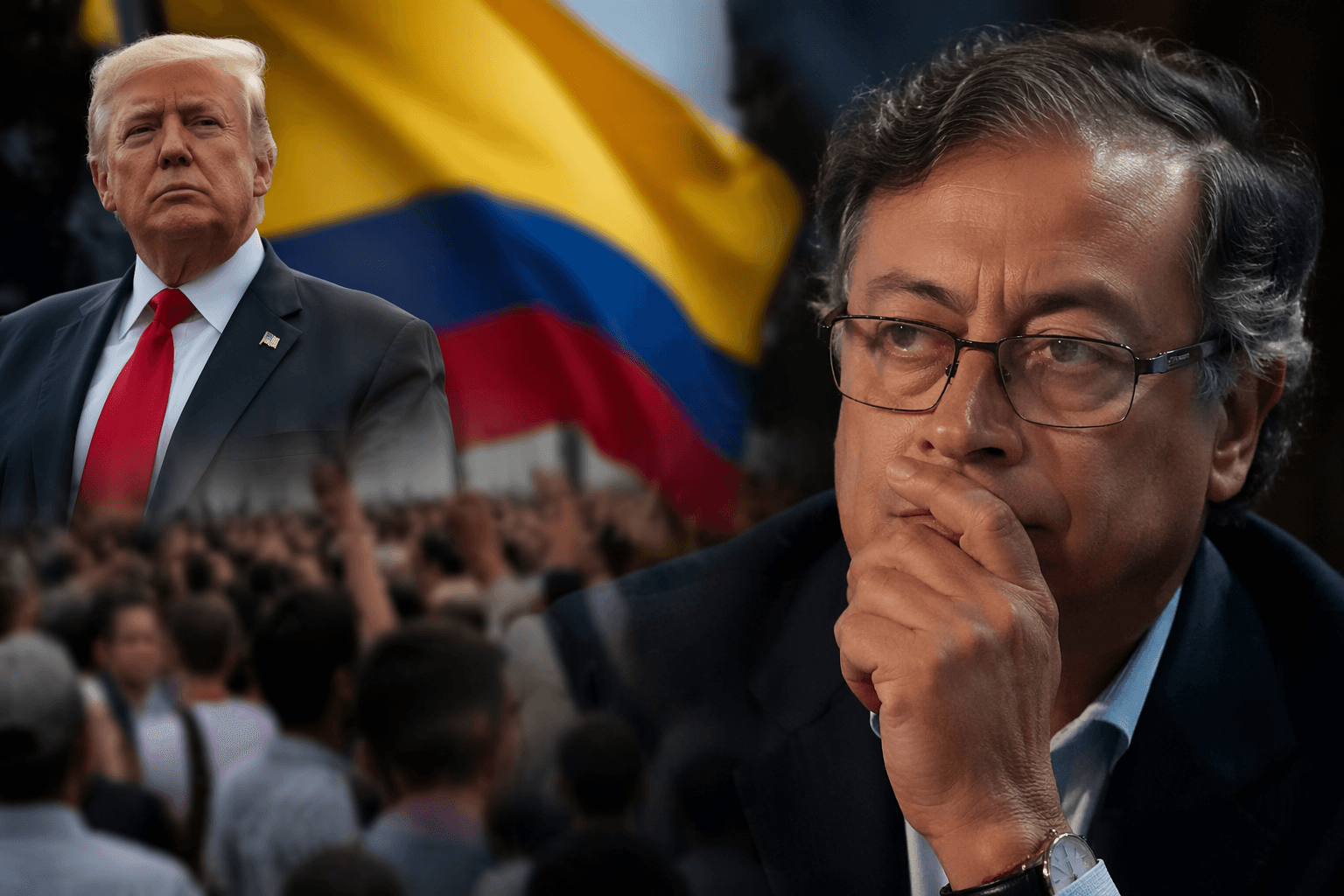
The episode also reflects a broader strain in U.S.-Colombia relations during 2026, including clashes over Venezuela, threats of U.S. military action in Colombia and a January phone call that followed months of tension between Petro and Trump. Petro urged Colombians to ignore foreign interference and decide freely, a message aimed at voters in Bogotá and across a country where the next president will shape security policy, economic management and ties with the United States.
For Colombia, the dispute is about more than campaign rhetoric. When a sitting U.S. president publicly backs one contender in a close runoff, it raises a sharper question for Latin America’s biggest democracies: whether such support is diplomacy, pressure or something closer to election interference. The answer will shape how the next president governs, how Washington is viewed in Bogotá and what precedent future contests in the region will inherit.
This article was produced by Prism’s automated news system from verified source data, official records, and press releases, then run through automated quality and moderation checks before publishing. The system is built and supervised by the people who set the standards it runs under. Read our full AI policy.
Did this article answer your question?