Japan’s first sitting mayor takes maternity leave in workplace shift
Shoko Kawata became Japan’s first sitting mayor to take maternity leave, turning a personal milestone into a national test of whether politics can fit parenting.

Shoko Kawata, the 35-year-old mayor of Yawata in Kyoto Prefecture, became Japan’s first sitting mayor to take maternity leave, a move that instantly turned one local office into a national test case for parenting and political leadership. Reuters photo coverage showed Kawata six weeks pregnant on July 17, and later reporting said she planned to step away from city hall about two months before her due date and return two months after giving birth.
The leave plan tracked the rules that apply to regular employees, with one report saying she would take six weeks before birth and eight weeks after it. That detail matters in Japan, where family leave exists on paper but is often harder to use in practice because workplaces still reward constant availability, long hours, and visible sacrifice. For a mayor, those expectations are even sharper, because local leaders are presumed to stay on call for administrative problems, emergencies, and daily public duties.
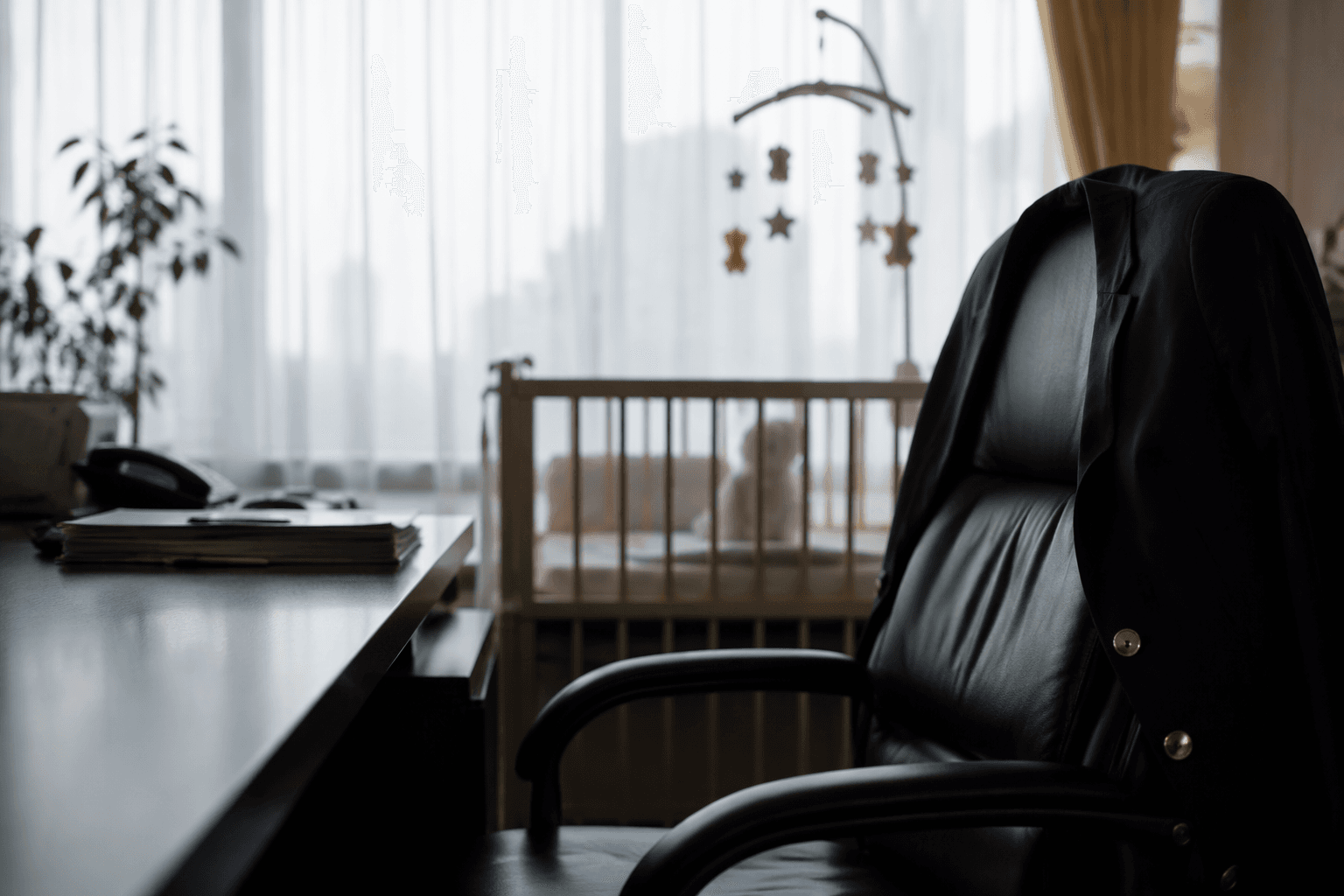
Kawata’s decision lands in a country still wrestling with a low birth rate, an aging population, and deep pressure on women to absorb most caregiving responsibilities. It also collides with the unwritten rules of political life, where elected officials are often expected to project uninterrupted duty rather than visible family obligations. By taking leave, Kawata challenged the idea that leadership and parenthood cannot coexist, especially for women in public office.
The reaction showed how unsettled that question remains. Kawata said, “I was so surprised because the reaction was so big.” Coverage described the response as far more divided than she had expected, with praise, criticism and intense national debate over whether an elected official should step away for childbirth.
CNN identified Kawata as Japan’s youngest elected female mayor, underscoring how unusual her position already is in a political system that remains heavily male-dominated. NHK World-Japan News said the issue has triggered debate in a country that has long ranked poorly on global gender equality, and whether the move becomes a precedent will depend on how smoothly her office functions while she is away.
For Japan’s policymakers and employers, Kawata’s leave is more than a personal scheduling choice. It exposes the gap between family-support policies and the workplace culture that still keeps many parents from using them freely, and it tests whether public service can finally adapt to caregiving instead of forcing parents to choose between them.
This article was produced by Prism’s automated news system from verified source data, official records, and press releases, then run through automated quality and moderation checks before publishing. The system is built and supervised by the people who set the standards it runs under. Read our full AI policy.
Did this article answer your question?