Houthis threaten Red Sea oil route as US-Iran strikes escalate
A Houthi threat to block Red Sea shipping could lift U.S. gas and freight prices as American strikes on Iran reached a ninth night.

The Houthis said they would block shipping between the Red Sea and the Gulf of Aden as U.S. forces completed a ninth night of strikes on Iran, a move that could push up gasoline, freight and consumer prices in the United States if tankers are forced to reroute.
The threat targeted one of the world’s most exposed trade corridors. The New York Times live update said a Houthi maritime blockade on Saudi Arabia in the Red Sea could affect more than 3 percent of the global oil market, underscoring how disruption around the Bab el-Mandeb Strait can ripple into fuel markets and the cost of imported goods.
The escalation ladder widened over several days. Reuters said Iran told the Houthis to close the Red Sea gateway if the United States hit Iran’s power network, and a day earlier the Houthis were already threatening to block more vital seaways as U.S. strikes continued. Reuters also said the United States was set to begin enforcing a maritime blockade on Iran on July 13.
CNN said the United States completed its ninth consecutive night of strikes on Iran on July 20, after previously reporting a fourth night of strikes and a restarted naval blockade. Another U.S. service member was killed, following the Pentagon’s announcement of two service member deaths in Jordan, and CNBC said American casualties were rising.
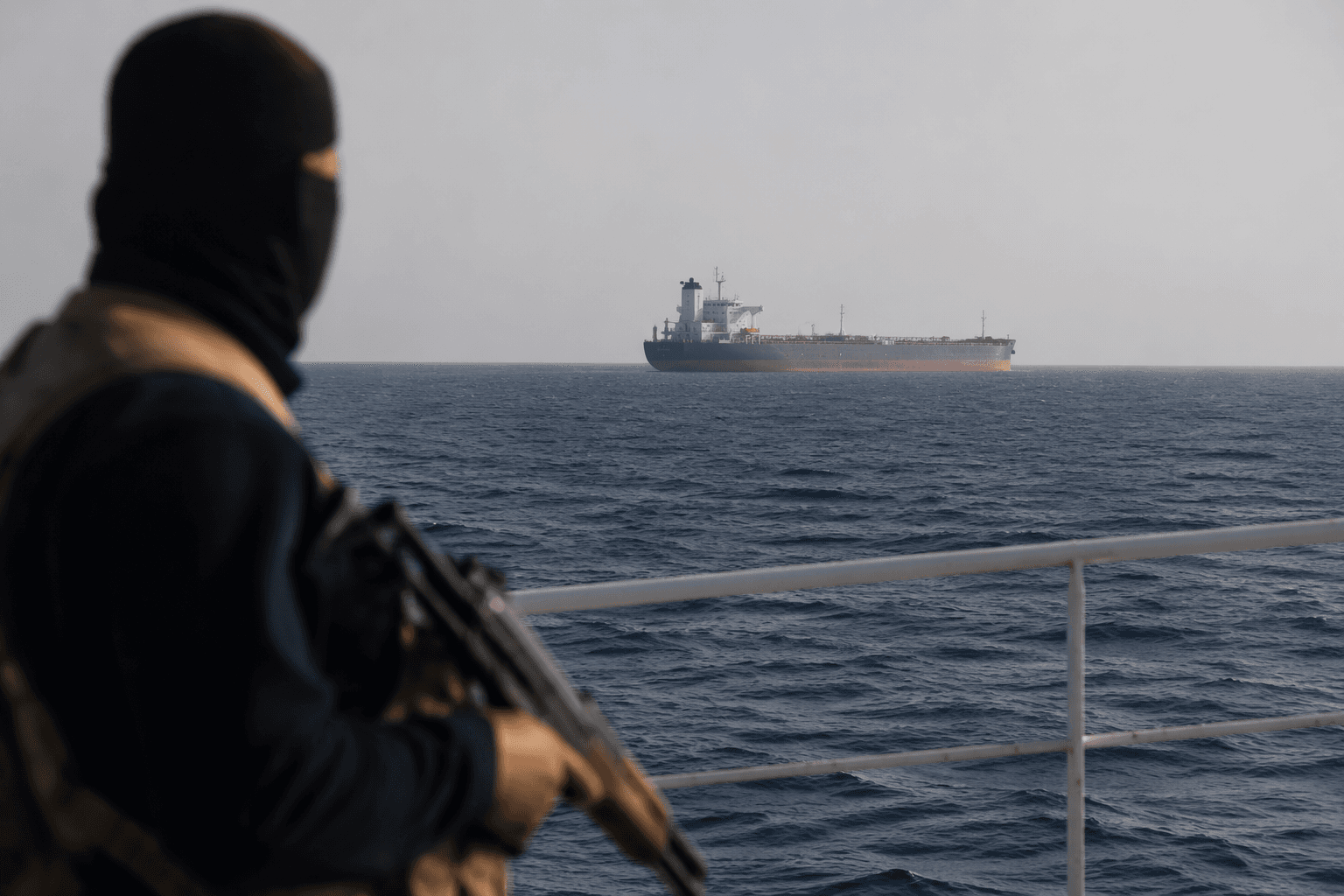
U.S. Central Command has said its strikes were meant to degrade Iran’s ability to threaten shipping through the Strait of Hormuz, another chokepoint that carries a major share of global energy flows. That puts the next stage of the conflict in the water, where attacks on merchant and commercial vessels would force longer routes, higher insurance bills and steeper shipping costs for fuel, food and other imports before they reach U.S. consumers.
The United Nations Security Council was expected in July to consider renewing monthly reporting on Houthi attacks on merchant and commercial vessels in the Red Sea, a requirement first mandated by resolution 2722 in January 2024 and extended by resolution 2812. The continuing fight over the Red Sea and the Strait of Hormuz now sits at the center of a wider U.S.-Iran confrontation that could move quickly from military pressure to a broader regional war if shipping lanes are hit again.
This article was produced by Prism’s automated news system from verified source data, official records, and press releases, then run through automated quality and moderation checks before publishing. The system is built and supervised by the people who set the standards it runs under. Read our full AI policy.
Did this article answer your question?