Ontario wildfire evacuations expose lack of emergency readiness
Nearly 200 wildfires forced remote Ontario communities to flee by boat and on 24-hour notice, while residents questioned why warnings and evacuation planning lagged.
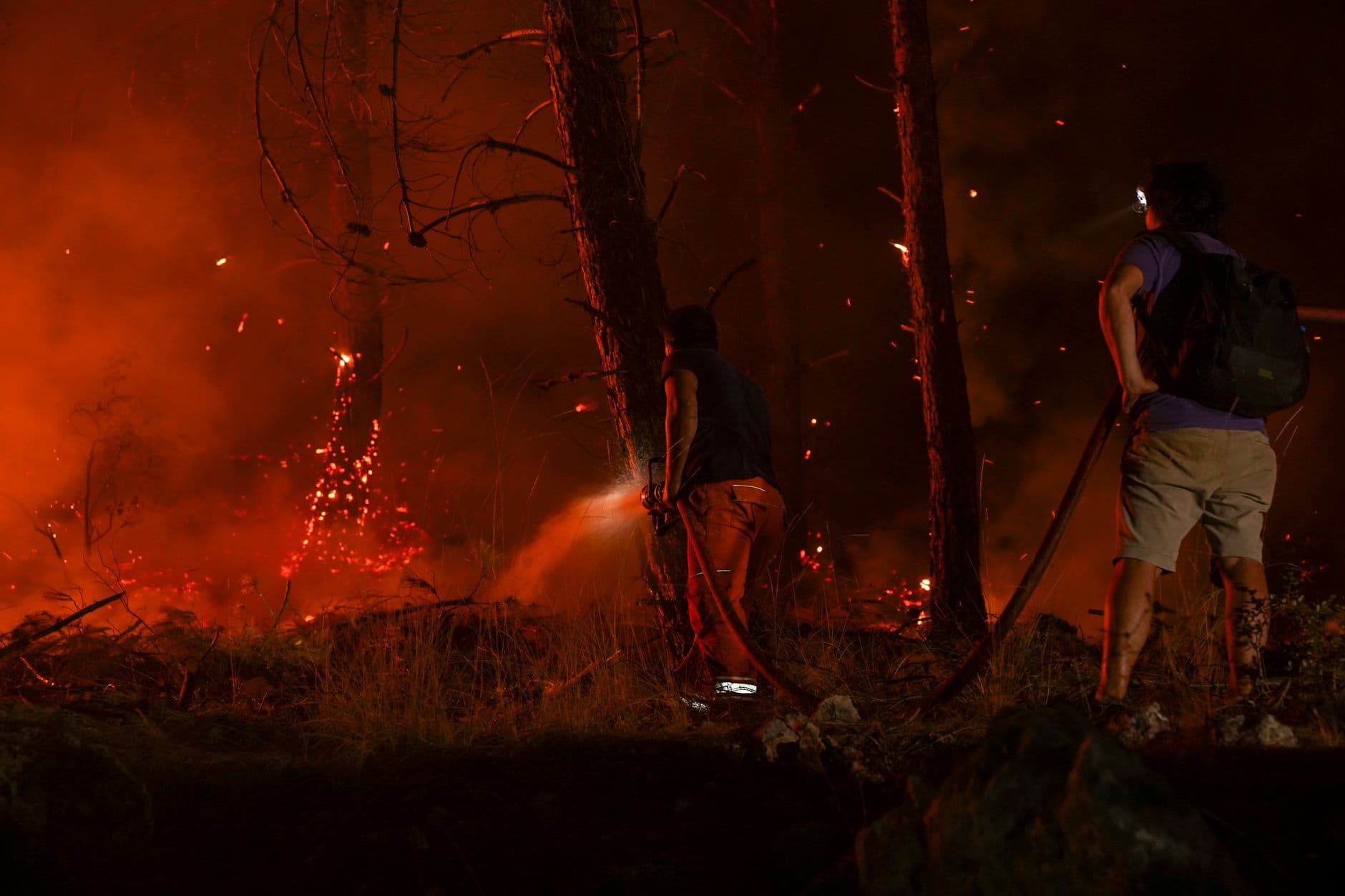
Ontario asked the federal government for help with wildfire evacuations as flames pushed into remote towns across the province’s north, forcing residents to leave on short notice and raising blunt questions about whether emergency plans matched the speed of the fire front. In northern Ontario, the fire count climbed from 185 active wildland fires on July 14, including 148 in the northwest, to 191 active blazes as the situation worsened.
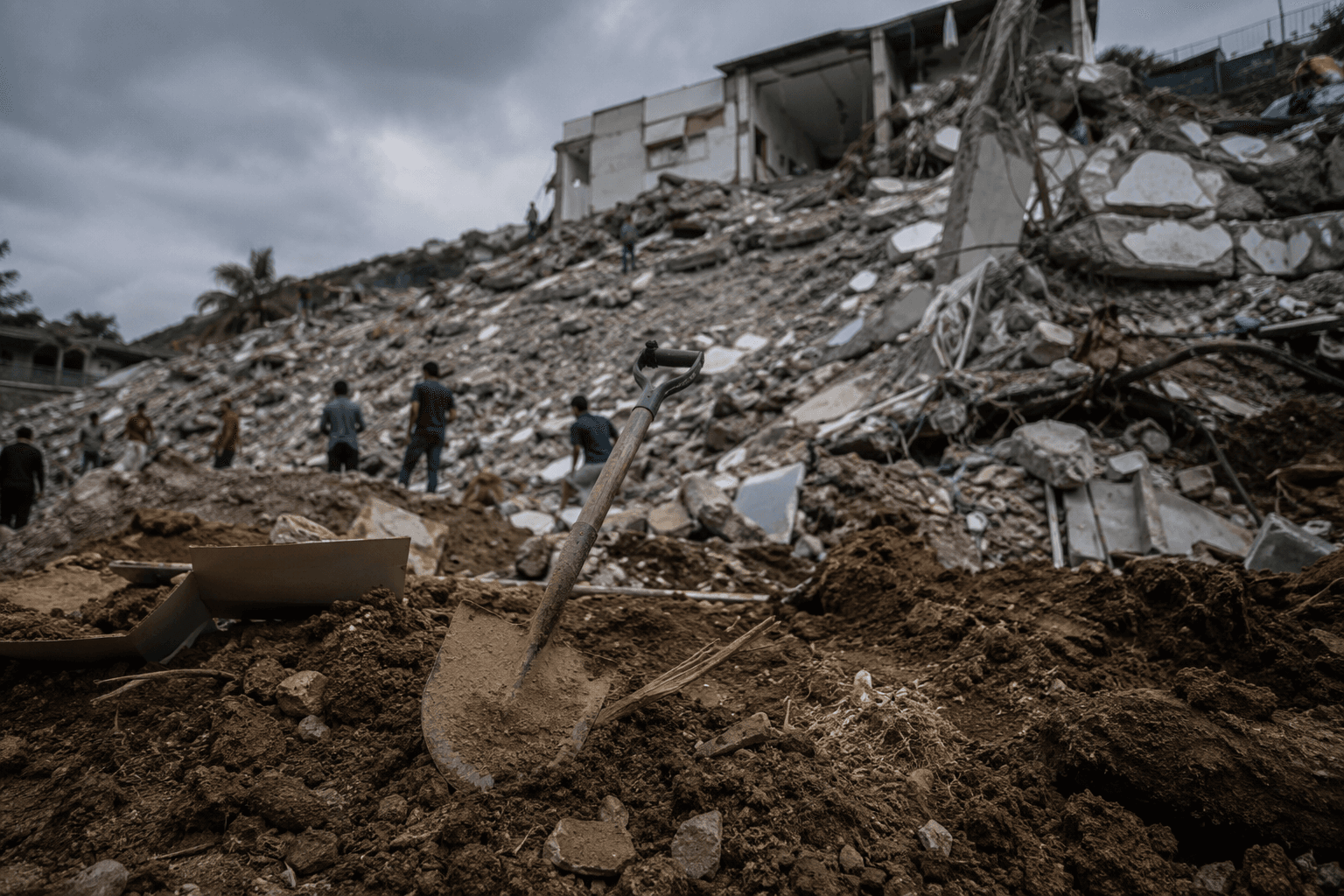
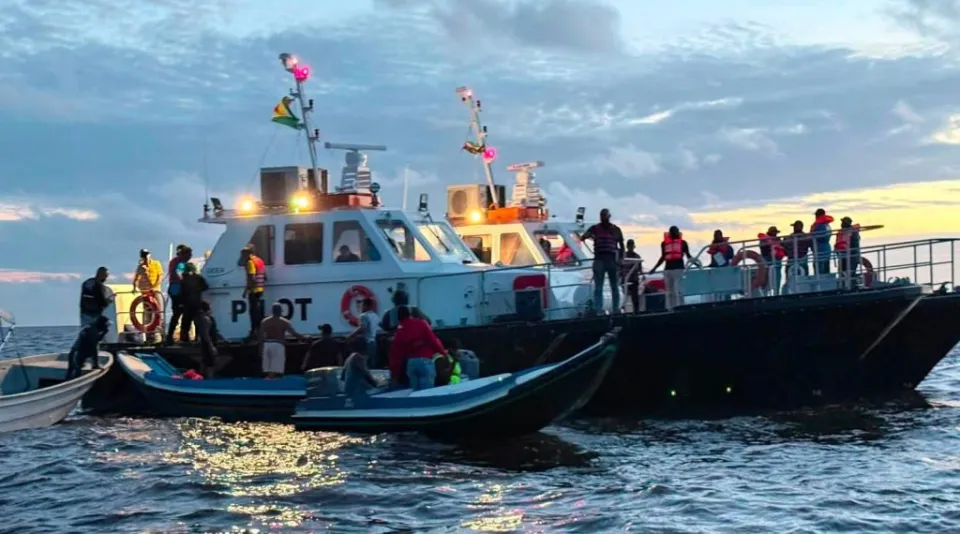
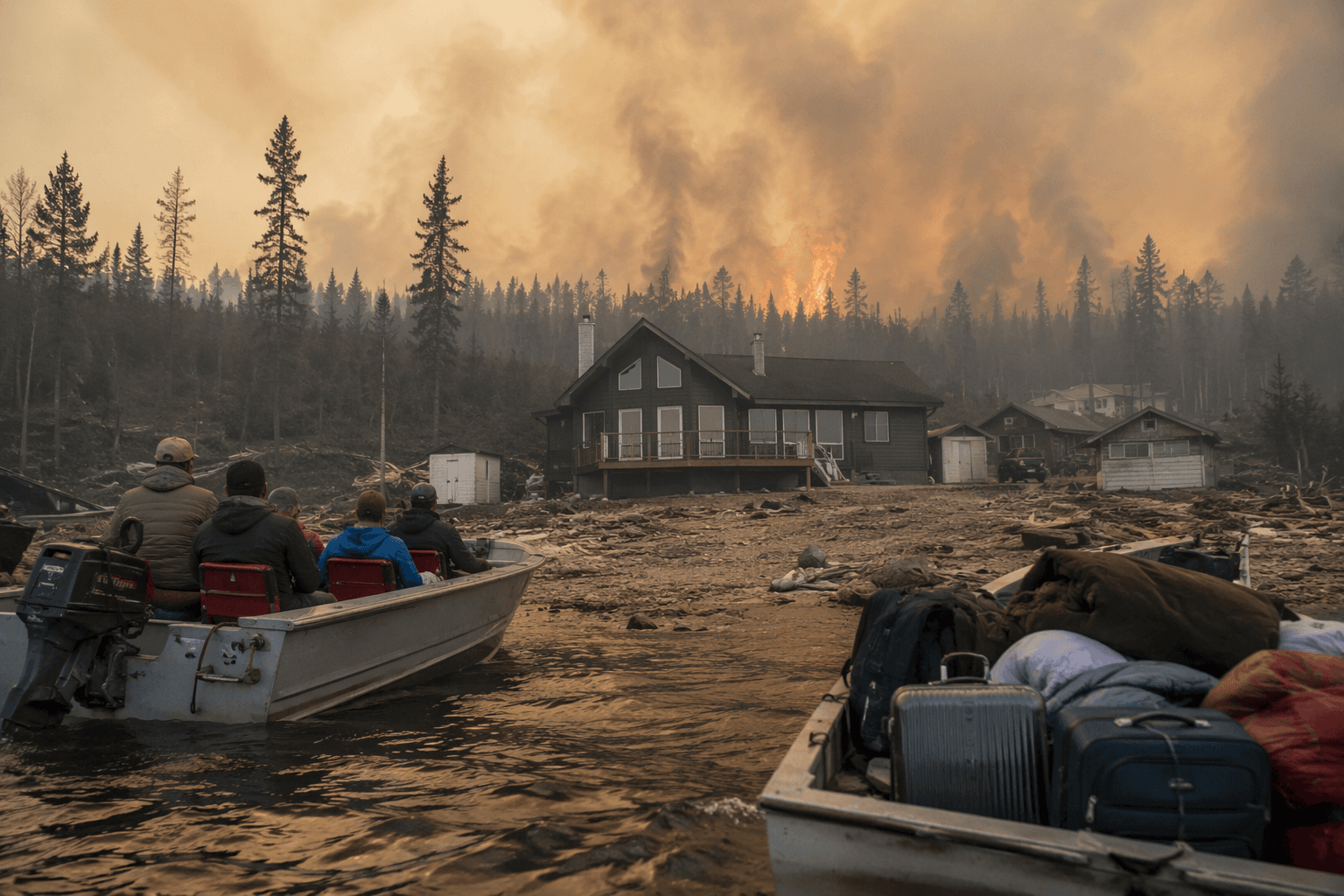
The scale of the evacuations exposed how little margin remote communities had. Global News said fires were forcing thousands of people to flee several communities, and that at least six communities near Thunder Bay saw residents leave home on short notice. Collins First Nation was hit especially hard: homes and community infrastructure were completely destroyed, and some residents had to escape by boat because the community is not accessible by car.
Officials moved to expand shelter space as the evacuations spread. CBC reported that a new evacuation centre opened in Thunder Bay for people displaced by the northern Ontario fires. At the same time, Deer Lake and Webequie First Nations declared states of emergency over nearby wildfires, underscoring how quickly the crisis moved through remote parts of northwestern Ontario.
The federal request for support focused on evacuation aircraft and crews that could be deployed within 24 hours or less, a detail that points to the central weakness now facing emergency planners: the region’s geography leaves little room for delay. Residents were being pulled out as flames crept, then sprinted, toward communities that can be hard to reach and harder to protect.
The fire emergency was not confined to the north. Reuters reported that smoke from northwestern Ontario, combined with intense heat, triggered health warnings in Toronto and spread into the U.S. Midwest and Northeast, where orange haze and unhealthy air became visible far from the burn zone. The smoke plume turned a local evacuation crisis into a broader public-health and air-quality problem.
The pressure on Ontario’s response also carried a political edge. CBC said Premier Doug Ford described the situation as moving quickly, while residents and local leaders questioned whether officials had anticipated the risk and warned people in time. The pattern is familiar in northwestern Ontario, where archived Ontario government releases show major forest-fire evacuation emergencies in July 2011 as well.
This article was produced by Prism’s automated news system from verified source data, official records, and press releases, then run through automated quality and moderation checks before publishing. The system is built and supervised by the people who set the standards it runs under. Read our full AI policy.
Did this article answer your question?