EU hits AliExpress with record 550 million-euro safety fine
The EU hit AliExpress with a record 550 million-euro fine after saying the marketplace failed to stop unsafe and counterfeit goods for 193 million EU users.
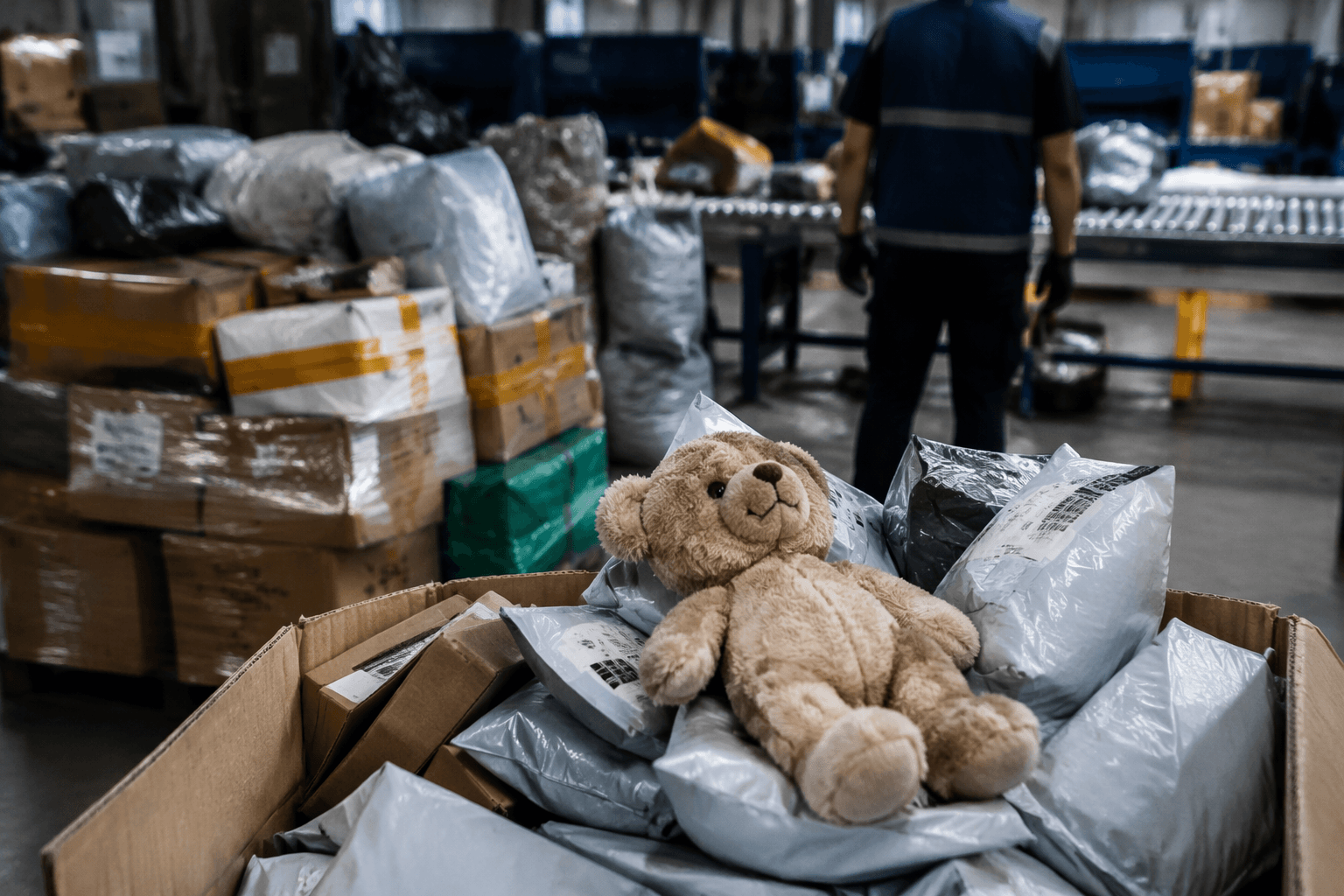
The European Commission fined AliExpress 550 million euros for breaching the Digital Services Act, saying the marketplace failed to adequately assess and mitigate risks from illegal, unsafe and counterfeit products. The penalty is about $629 million and is the largest EU fine yet in this enforcement area.
The case is a consumer-protection test for how far Brussels will push global online marketplaces that rely on third-party sellers. AliExpress has 193 million users in the European Union, a scale that gives the company enormous reach but also leaves regulators focused on what can slip through when millions of listings move across the platform. The commission says the Digital Services Act is meant to keep users safe online and combat illegal products on online platforms, and this action shows that those obligations now reach deep into marketplace operations.
For European shoppers, the immediate question is whether tighter enforcement will reduce exposure to counterfeit brand-name goods, unsafe electronics and other products that can pose real hazards. A stricter compliance regime could mean more seller checks, faster removal of suspect listings and stronger traceability when a product causes harm. U.S. shoppers who use global marketplaces are watching the same pressure build, because the logic behind the EU case is clear: platforms that profit from third-party sales may be expected to do more than host listings and wait for complaints.
AliExpress said the fine was disproportionate. The China Chamber of Commerce to the EU also responded publicly to the commission’s announcement, underscoring the commercial and political stakes around Europe’s digital rulebook. The 550 million-euro penalty sends a warning to other large marketplaces that reach into European homes: scale does not shield a platform from liability if regulators conclude that unsafe or counterfeit goods are still getting through.
This article was produced by Prism’s automated news system from verified source data, official records, and press releases, then run through automated quality and moderation checks before publishing. The system is built and supervised by the people who set the standards it runs under. Read our full AI policy.
Did this article answer your question?