Flash floods in Afghanistan kill 23, leave more than 100 missing
Search crews in Nuristan faced washed-out roads and mud as Afghanistan raised the flood toll to 23 dead and more than 100 still missing.
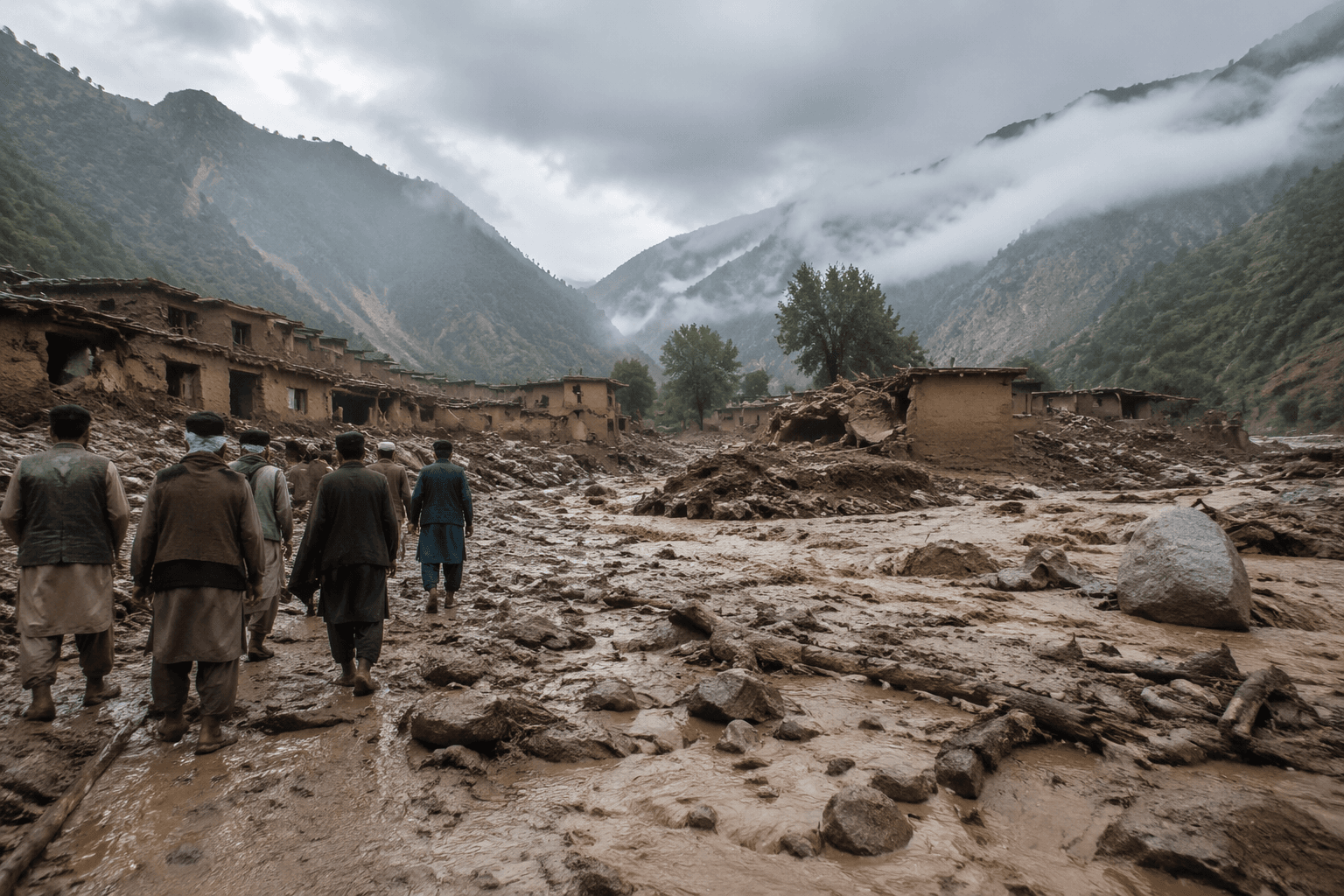
Rescue teams in Afghanistan were still picking through mud, broken buildings and debris after sudden flooding in eastern Nuristan province killed 23 people, injured 80 and left more than 100 missing. The provincial toll, updated Tuesday by the Afghanistan National Disaster Management Authority, showed how fast the disaster escalated after floodwaters swept through villages on Monday and cut off roads that crews needed to reach isolated communities.
The rising count also showed how quickly the scale of the emergency changed. An earlier assessment had put the death toll at 20, with about 80 injured and more than 100 missing across eastern Afghanistan. In Nuristan, steep terrain and narrow valleys turned a single burst of heavy rain into a deadly surge, with water and debris funneling into homes, fields and riverbeds before residents had time to escape.
Afghanistan’s flood losses have been magnified by conditions that make the country especially hard to defend against extreme weather. Mountain roads collapse or wash out easily, slowing ambulances and rescue crews, while many rural homes are built from mud brick and other fragile materials that can fail almost instantly under fast-moving water. In a country with limited emergency-response capacity, damaged roads can turn a local disaster into a prolonged search operation, leaving families waiting for news while workers recover bodies and look for survivors in buried compounds and ruined lanes.
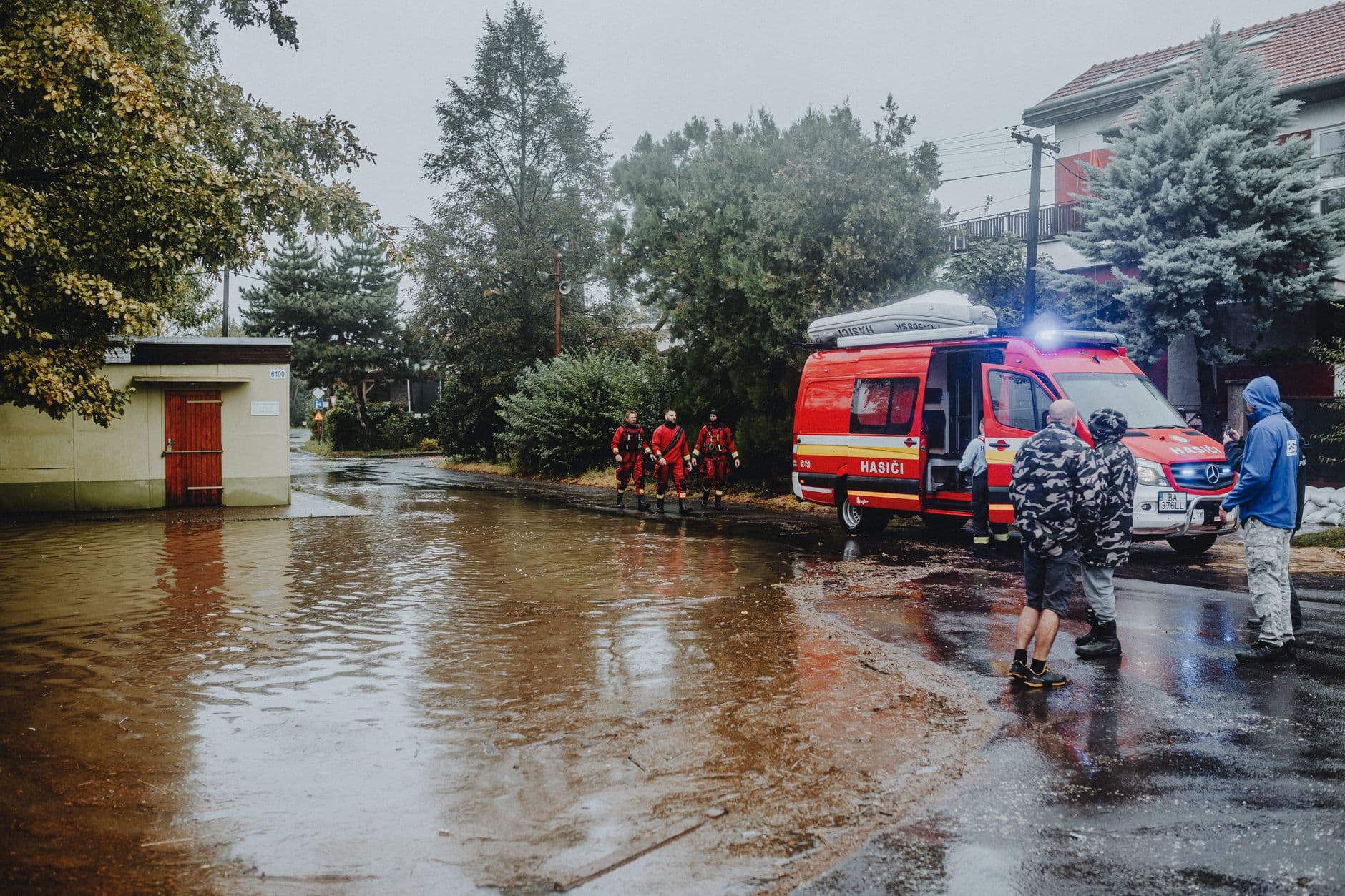
The Nuristan flooding came after a severe run of weather-related destruction elsewhere in the country. UNFPA said flooding across 31 provinces affected more than 73,300 people over 12 days, killing 93 and injuring 181. The agency said 7,672 houses were destroyed, 15,627 acres of agricultural land were damaged and about 200 kilometres of roads were destroyed or damaged. OCHA’s March and April flood updates said heavy rains and flooding affected all eight regions of Afghanistan, with late-March flooding hitting provinces including Parwan, Maidan Wardak, Daikundi, Logar, Herat, Farah, Badghis, Ghor, Samangan, Sar-e Pol, Jawzjan, Faryab and Laghman.
Humanitarian agencies have warned that Afghanistan is expected to remain one of the world’s largest humanitarian crises in 2026, with climate-linked flooding adding another layer of loss to poverty and weak infrastructure. The IFRC has said deadly floods across Afghanistan, Pakistan and Iran were driven by El Nino and likely worsened by climate change, a pattern that leaves Afghan communities exposed to repeated shocks even before rebuilding from the last one is complete.
This article was produced by Prism’s automated news system from verified source data, official records, and press releases, then run through automated quality and moderation checks before publishing. The system is built and supervised by the people who set the standards it runs under. Read our full AI policy.
Did this article answer your question?