Russian warship conducts live-fire drill 40 miles off Plymouth
A Russian frigate fired live rounds in international waters 40 nautical miles off Plymouth, with HMS Tyne kept at a safer distance during the 30-minute drill.
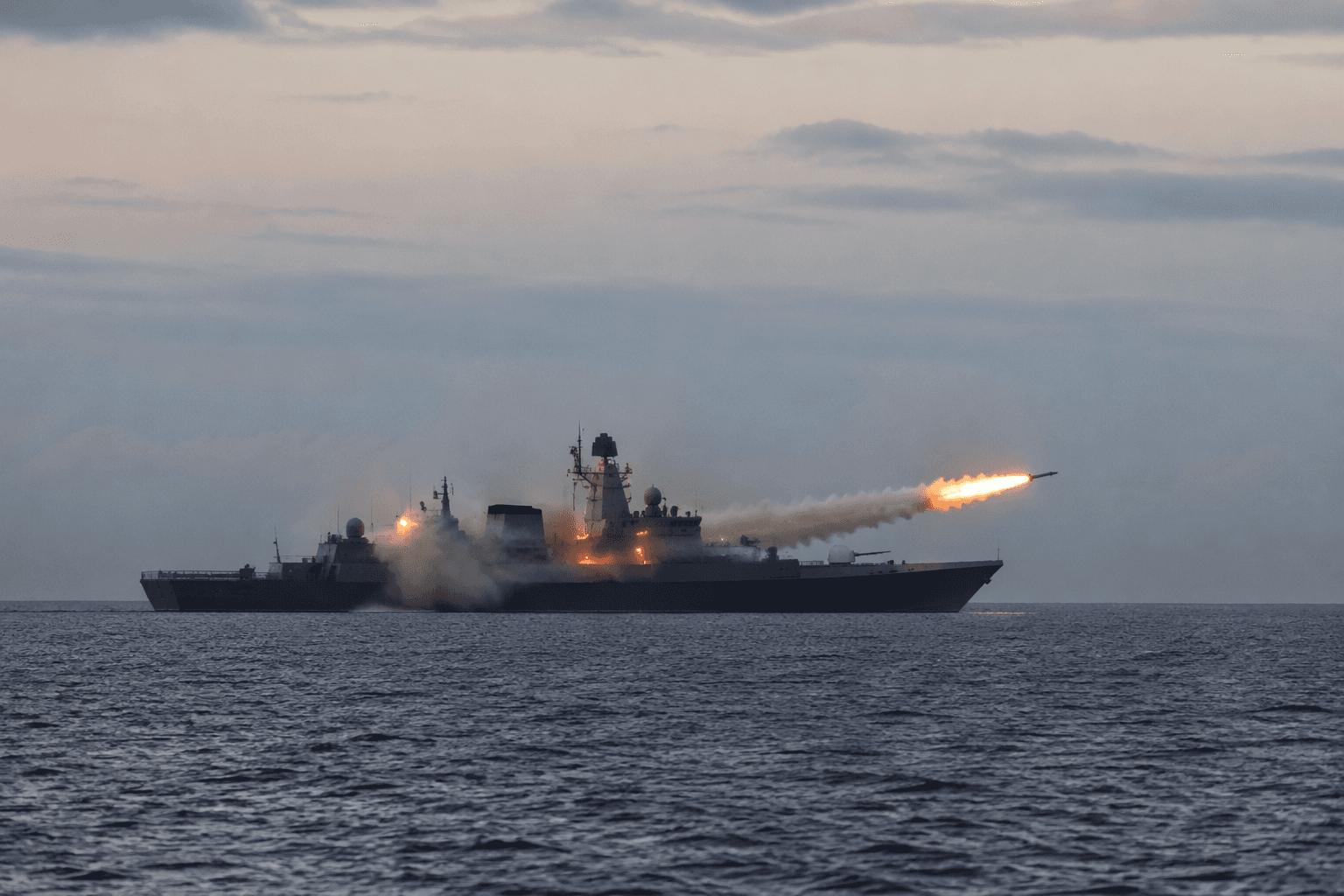
A Russian Navy frigate conducted a 30-minute live-fire artillery exercise in international waters about 40 nautical miles south of Plymouth while a Royal Navy vessel shadowed it. The ship, identified as the Neustrashimy, carried the number 772 on its side, and the Ministry of Defence confirmed the firing exercise on Monday.
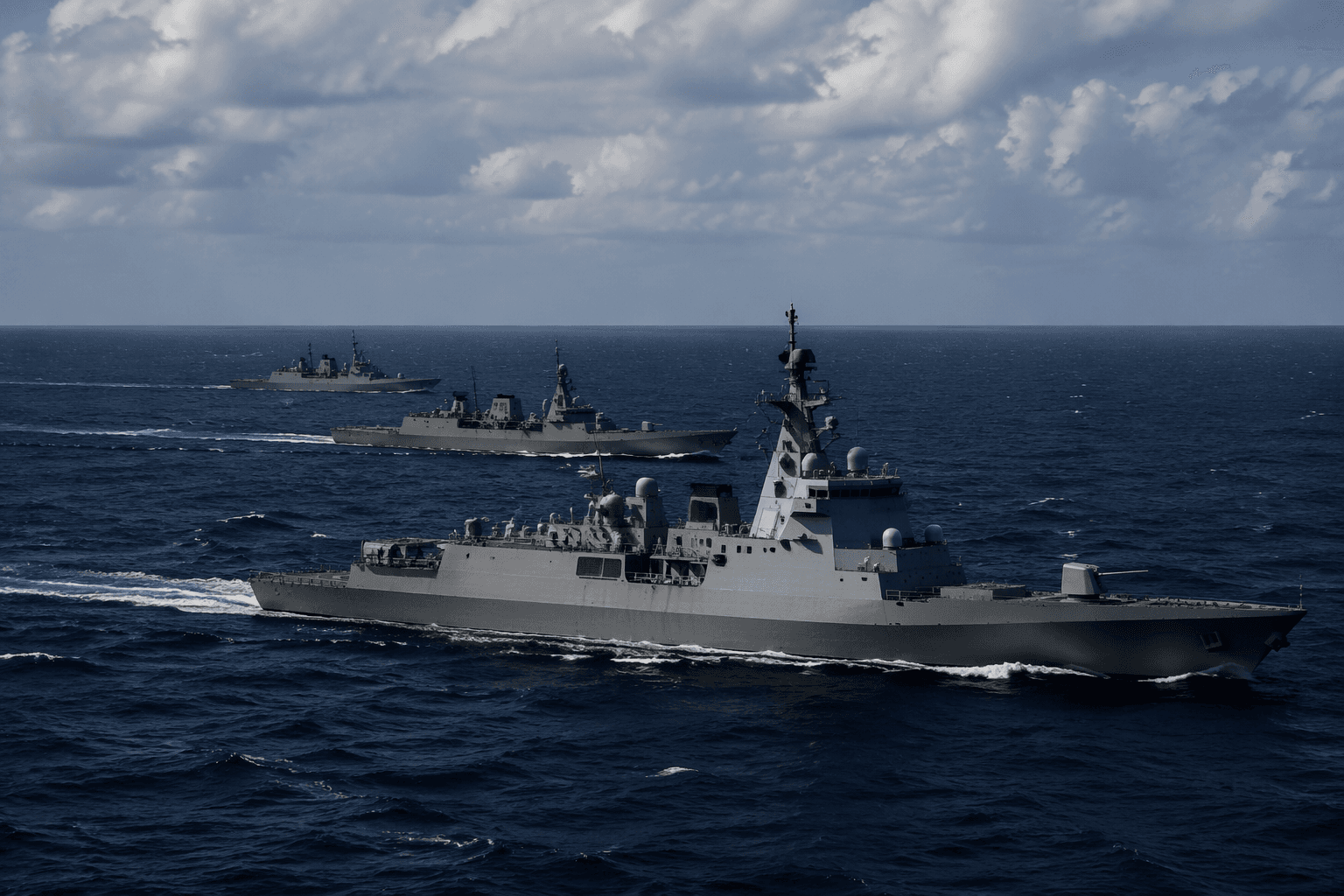
The Russian vessel asked HMS Tyne to reposition to a safer distance before the gunnery drill began. Royal Navy crews monitored the exercise closely and are continuing to track the ship’s activity, underscoring how close-in Russian naval signaling has become part of the maritime routine around the UK coast.
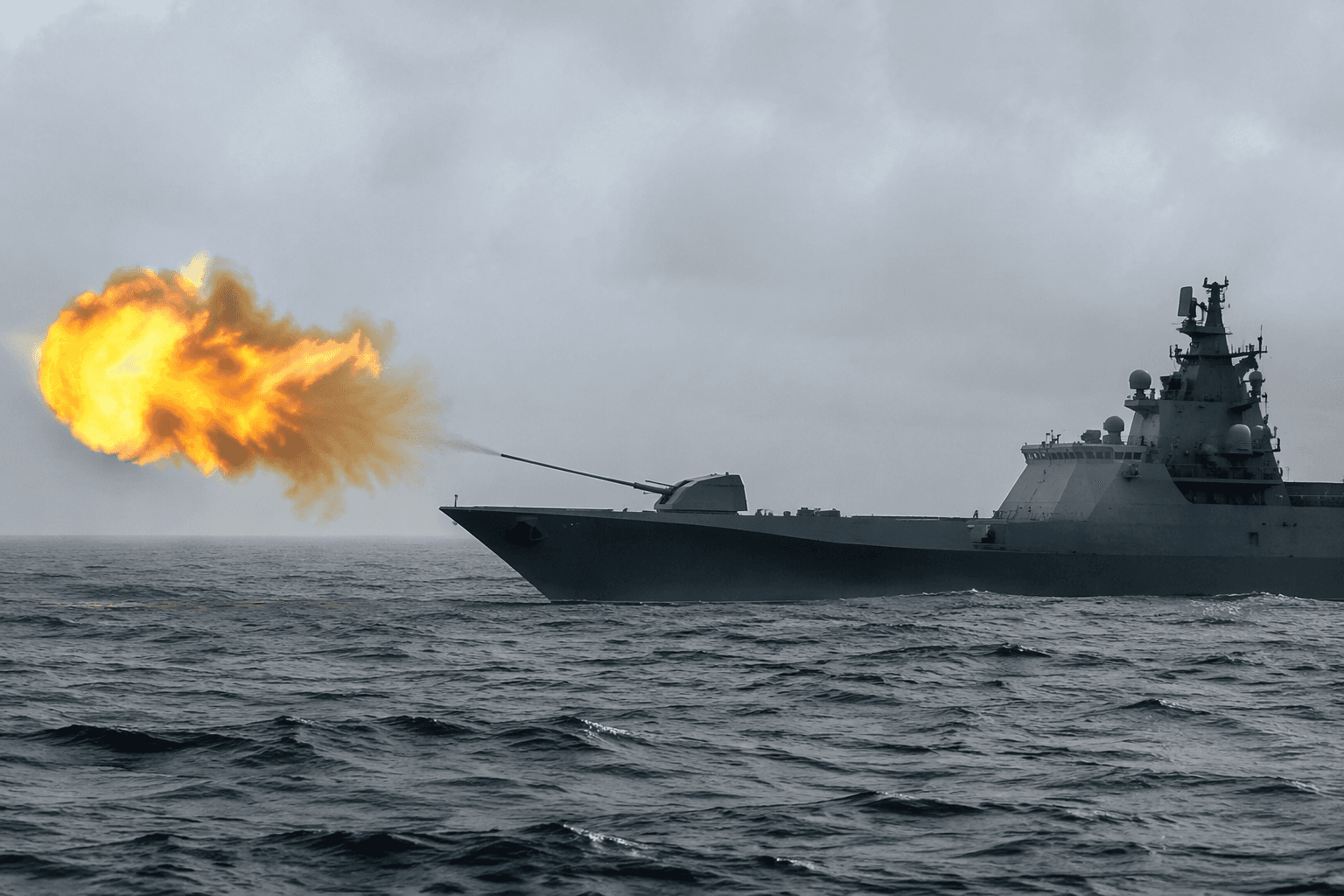
The exercise mattered because it blended live fire, proximity and visibility. It took place just off one of Britain’s most sensitive approaches, in waters reported at roughly 45 to 46 miles from the UK coast, and followed a pattern in which Russian vessels are shadowed as they move near British waters. The Neustrashimy has also been reported escorting Russian shadow fleet oil tankers through the English Channel and was seen in the North Sea earlier, giving the frigate a wider role in Moscow’s maritime pressure campaign.
For London, the response was surveillance rather than confrontation. The Royal Navy’s close monitoring, together with separate shadowing operations by Royal Navy and RAF units in recent months, points to an effort to contain the episode without inflaming it. Sir Keir Starmer’s government has been dealing with repeated Russian naval activity near the UK coastline, and the Neustrashimy drill fit that pattern: a deliberate show of capability in international waters, but not an incursion into British territory.
That makes the episode less a one-off provocation than another test of deterrence and normalization. A live-fire drill so near Plymouth is unusual enough to draw attention, but the British response suggests officials see it as routine pressure from a Russian navy that is increasingly comfortable operating close to UK waters under watch.
This article was produced by Prism’s automated news system from verified source data, official records, and press releases, then run through automated quality and moderation checks before publishing. The system is built and supervised by the people who set the standards it runs under. Read our full AI policy.
Did this article answer your question?