Japan protests Chinese live-fire drill near Okinotorishima
Japan protested after a Chinese ship fired machine guns inside its EEZ near Okinotorishima, in a rare drill that also involved Russian warships.
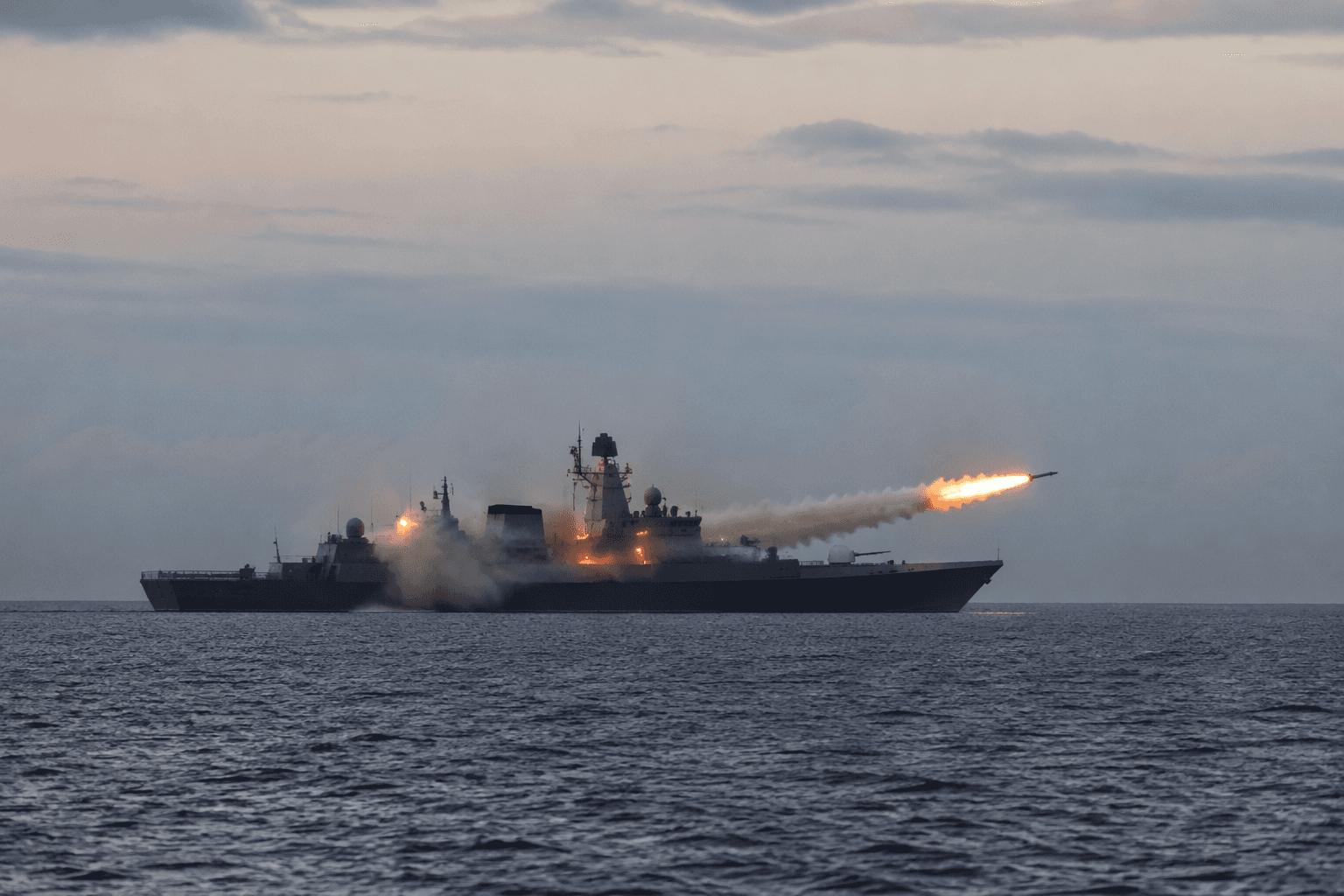
Japan said Tuesday it lodged a protest with China after a Chinese naval vessel carried out machine-gun firing training inside Japan’s exclusive economic zone around Okinotorishima, Japan’s southernmost outlying island. The drill, which Tokyo said took place Sunday, sharpened tensions over a waterway where coastal states hold legal rights over marine resources and foreign military activity often draws immediate objections.
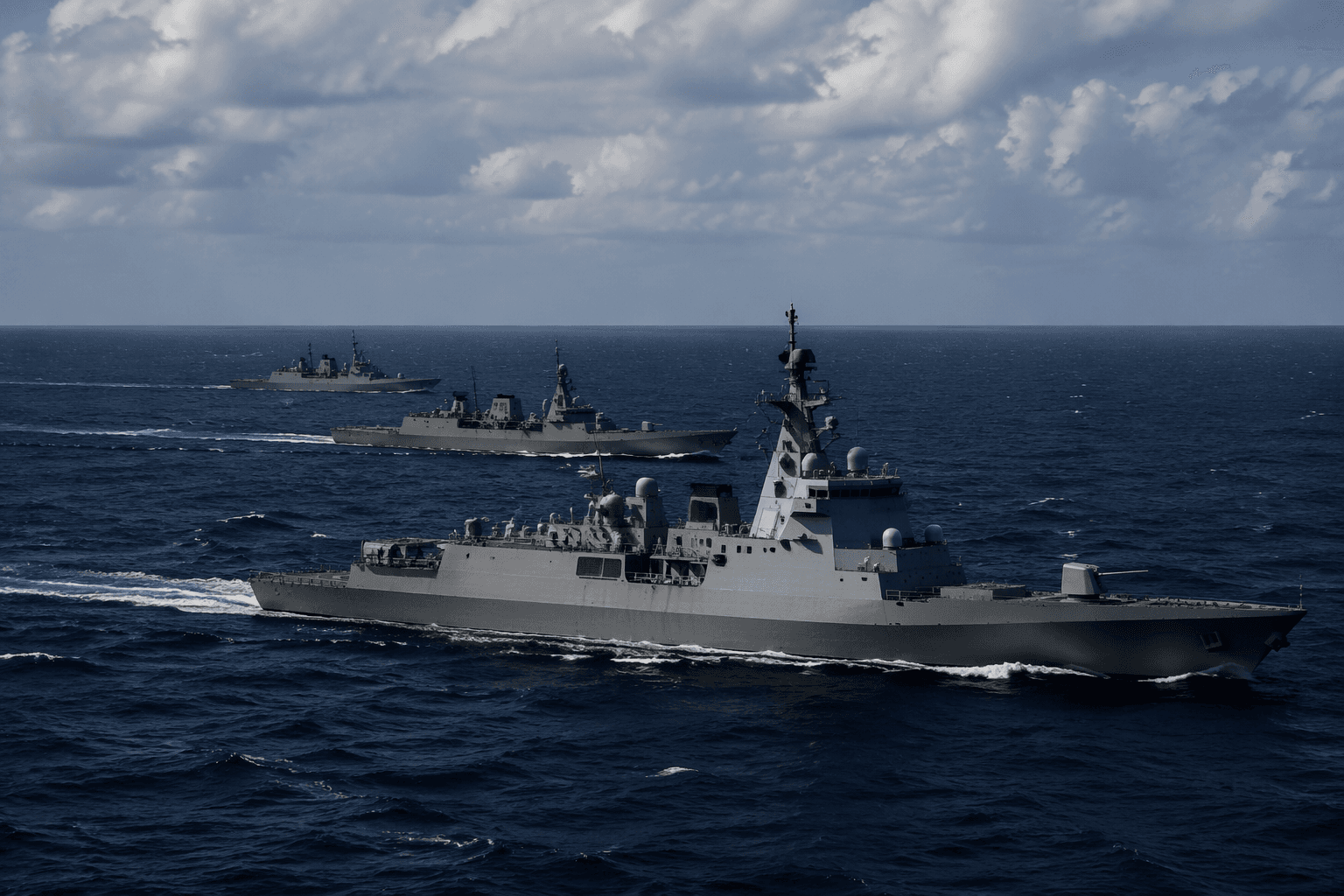
NHK World-Japan said the Defense Ministry confirmed that two missile destroyers and a supply ship from China’s navy, along with a Russian navy frigate, were spotted about 330 kilometers southwest of Okinotorishima in the Pacific Ocean. The Maritime Self-Defense Force said the four ships were sailing northeastward. ABC News, citing the Associated Press, identified the Chinese vessel as a Luyang III-class guided-missile destroyer and said the live-fire exercise happened during a joint drill with Russia.
Japan Today said this was the first time the ministry had spotted a live-fire drill by the Chinese military inside Japan’s EEZ and then made it public. That rarity is part of what makes the episode so combustible: live-fire activity near another country’s maritime zone is easy to read as a signal, and in a region already crowded with patrols, surveillance flights and overlapping claims, one mistaken read of another ship’s movement can escalate fast.
The stakes reach beyond diplomatic messaging. Japan sits along some of the world’s busiest maritime routes, and ships crossing the area face more uncertainty when naval drills, escort operations and tracking activity intensify at the same time. The closer Chinese and Russian forces operate near Japanese waters, the more pressure Tokyo faces to monitor, document and publicly challenge each incursion before it becomes the new normal.

Tokyo’s immediate tools are limited but clear: formal protest, public disclosure and tighter Maritime Self-Defense Force monitoring. Washington’s most realistic role is to reinforce alliance coordination, keep surveillance pressure on, and back Japan’s position that its EEZ is not open season for foreign live-fire exercises. The broader pattern now includes deeper China-Russia military cooperation and repeated friction over Chinese naval activity, leaving Okinotorishima as one more flashpoint in a regional contest over deterrence.
This article was produced by Prism’s automated news system from verified source data, official records, and press releases, then run through automated quality and moderation checks before publishing. The system is built and supervised by the people who set the standards it runs under. Read our full AI policy.
Did this article answer your question?