Reporter’s marathon quest in Kenya yields an unexpected reward
He went to Iten, Kenya, to chase a 14-year-old marathon personal best and found the real gain was not on the clock.
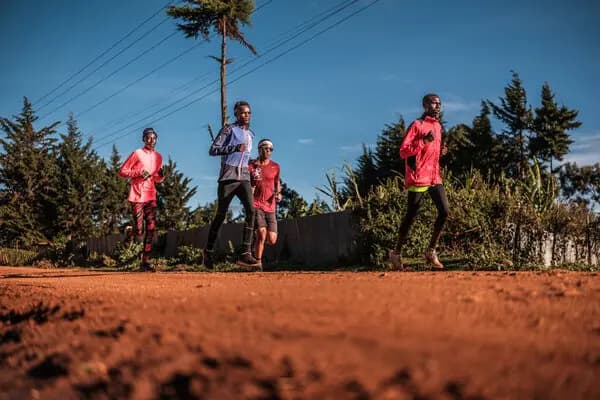
A New York Times reporter traveled to Iten, Kenya, chasing the marathon personal best he had set 14 years earlier, and came away with a lesson that had less to do with pace than perspective. The village in Kenya’s Great Rift Valley is widely treated as distance running’s mecca, a place where serious amateurs and elite athletes go expecting faster splits and stronger legs.
The trip centered on a simple, demanding question: what does a runner actually gain by training in the place that has become shorthand for marathon excellence? The answer, in this case, was not a dramatic breakthrough on the stopwatch. Instead, the biggest reward was something less visible, tied to the way running is embedded in the daily life of Iten and the training culture that has grown around it.
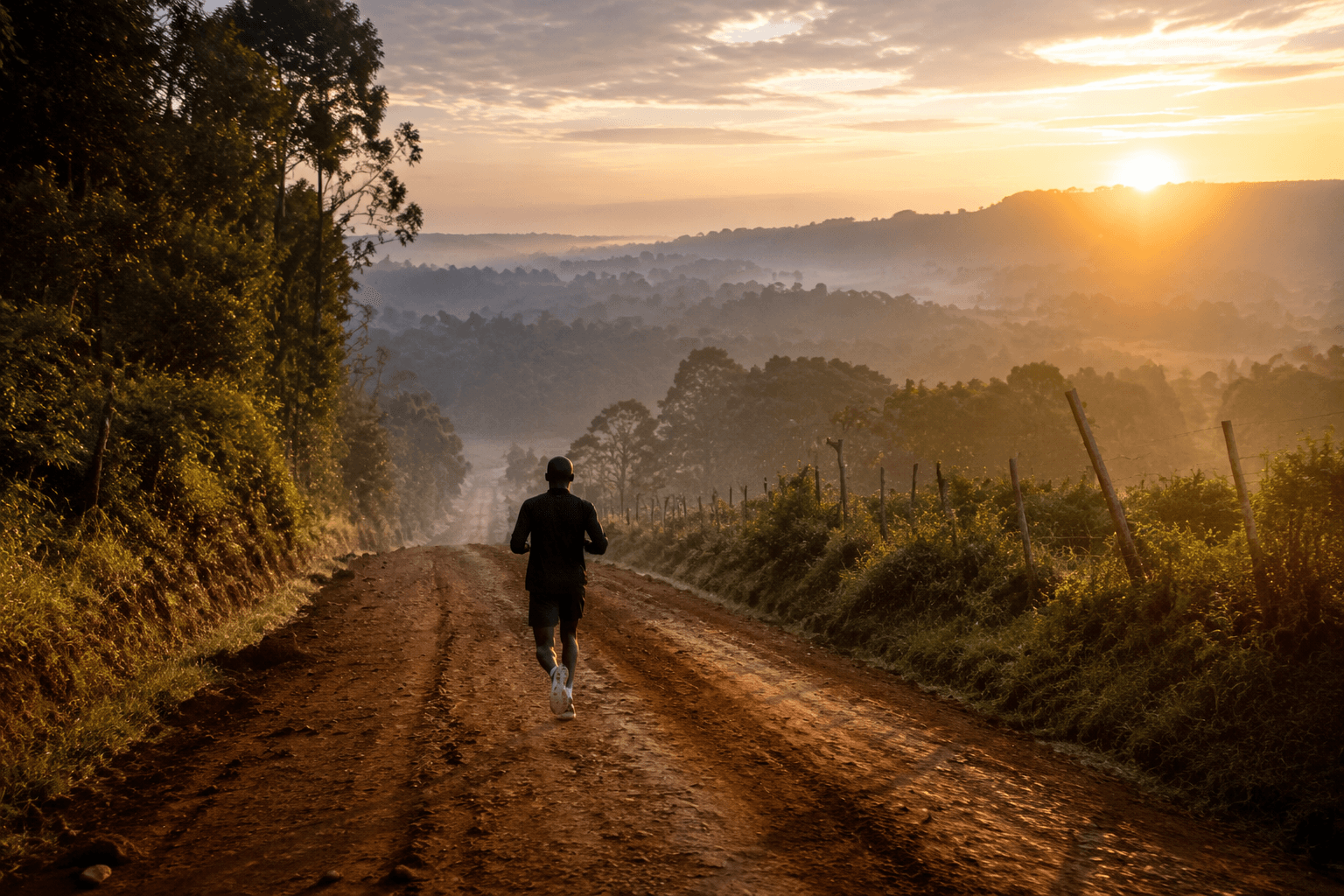
That contrast is the heart of the story. The reporter entered Kenya hoping to beat a mark from 14 years ago, a familiar goal for any runner trying to measure present fitness against an older self. But the experience in Iten pushed the story beyond performance metrics and toward the community that sustains the sport there. In a village known around the world as a pilgrimage site for runners, the lesson was not simply how to train harder, but how much of running depends on shared routines, local knowledge and the discipline of showing up with others.
The New York Times had already framed the setting in a May 9 video, “Training for a Marathon in Kenya,” which followed John Eligon running in the Great Rift Valley to see why it is considered the mecca of distance running in the world. That framing carried into the later article, “Aiming for My Fastest Marathon, I Turned to Distance Running’s Mecca,” by John Eligon and Brian Otieno, which appears on the publication’s marathon running and Kenya topic pages and is categorized as a world and Africa story focused on Kenya.
Iten’s draw is familiar to runners: altitude, reputation and the possibility of borrowing from a place that has produced generations of distance talent. But the reported takeaway was more personal than geographic. The village did not simply offer a training camp; it reset expectations about what improvement looks like, and how much of a runner’s progress depends on mental steadiness, communal rhythm and the willingness to learn from a place that has already made itself into a destination.
This article was produced by Prism’s automated news system from verified source data, official records, and press releases, then run through automated quality and moderation checks before publishing. The system is built and supervised by the people who set the standards it runs under. Read our full AI policy.
Did this article answer your question?