U.S. soldier killed in Iraq during drone ordnance disposal
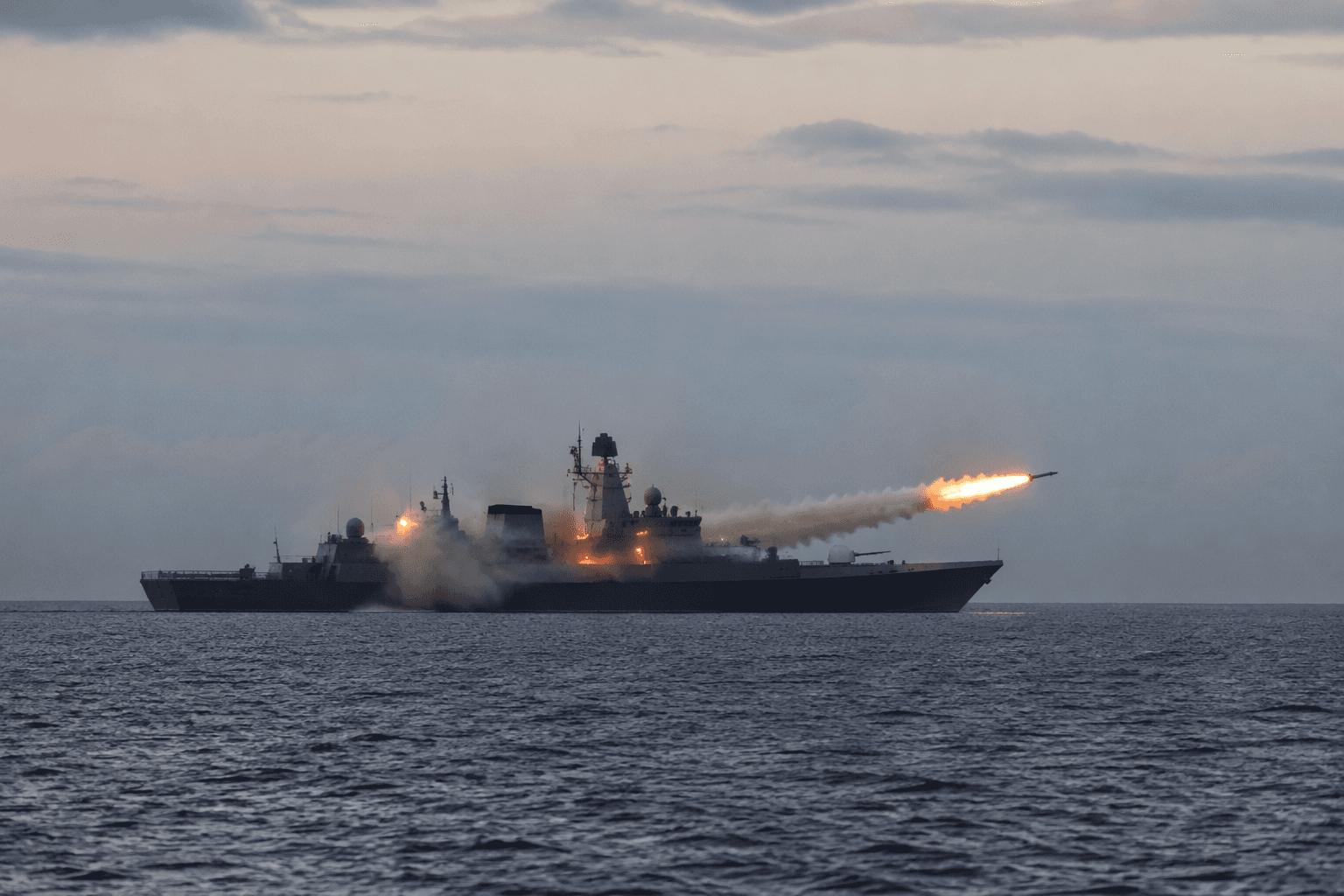
Sgt. Michael Emmanuel Swinton died in northern Iraq while troops detonated ordnance from a downed Iranian drone, becoming the 17th named U.S. casualty in the conflict.
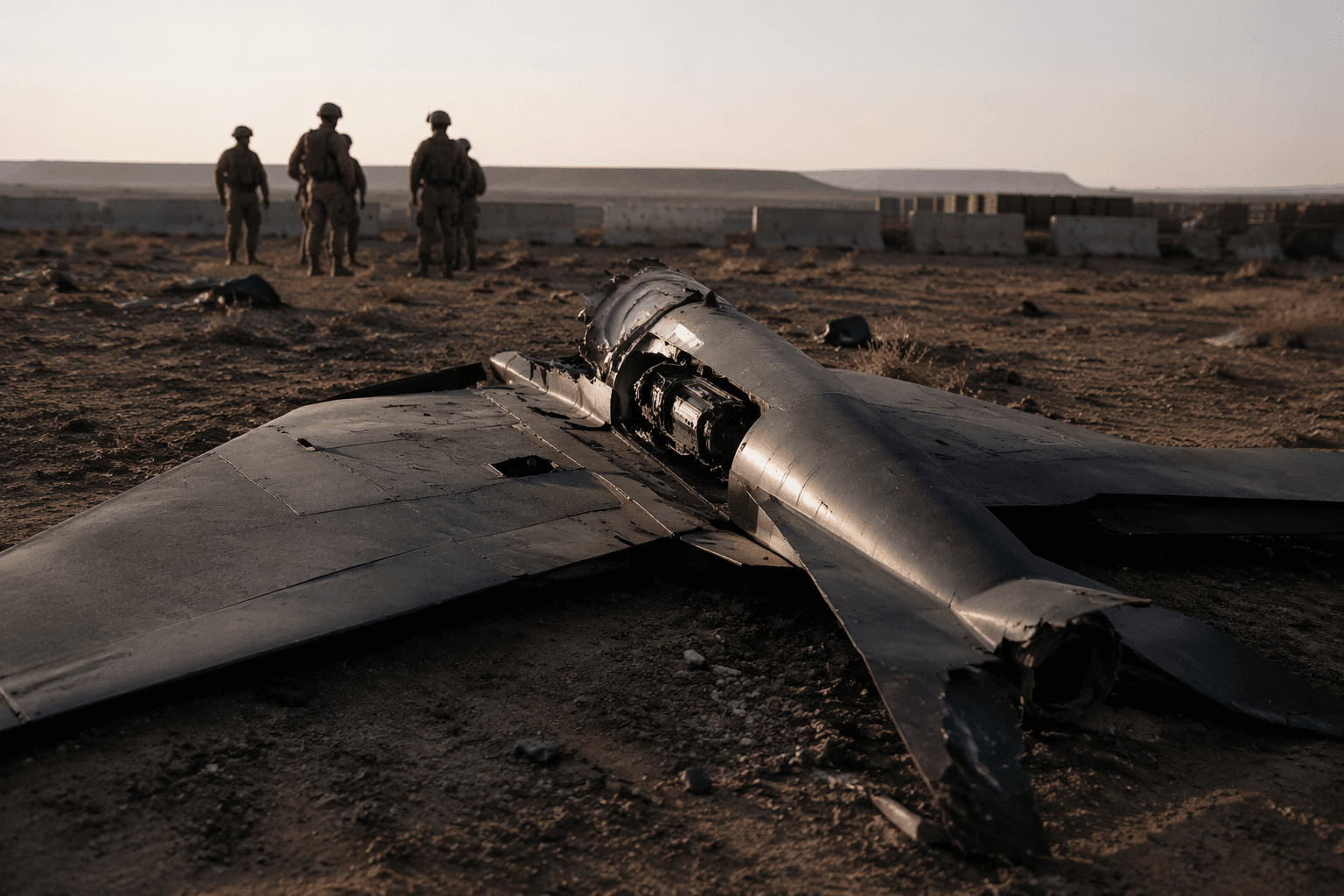
Sgt. Michael Emmanuel Swinton was killed in northern Iraq while U.S. service members carried out a “controlled detonation” of unexploded ordnance from a downed Iranian one-way attack drone, U.S. Central Command said. A second service member was wounded in the Saturday, July 18, 2026, incident and continued receiving medical treatment for a “minor” injury.
Swinton became the 17th named U.S. service member killed since the start of the U.S.-Israel war on Iran, adding another death to a conflict that has spread beyond airstrikes and battlefield exchanges into disposal operations on the ground. The mission in northern Iraq centered on clearing dangerous debris left by the drone strike, a task that placed American troops in direct contact with unexploded ordnance tied to Iran’s attacks.
The fatality came one day after the Pentagon announced that two U.S. service members had been killed in Jordan. That earlier attack left another service member missing, and military officials later said unidentified remains were found there after the strike. Together, the incidents showed how quickly the human cost of the conflict was mounting across multiple theaters.
The latest death also came as the United States expanded its military response. After announcing another American casualty, the United States carried out a new round of airstrikes against Iran, deepening a confrontation that has already produced casualties among U.S. forces in both Iraq and Jordan. CENTCOM, which oversees U.S. operations in the region, said the northern Iraq death involved the disposal of ordnance from an Iranian drone that had already been brought down.
Swinton’s death highlights the risks that continue to follow drone warfare even after the aircraft is destroyed. In northern Iraq, the danger did not end with the interception of the drone; it shifted to the cleanup, where unexploded material still had to be destroyed under controlled conditions.
This article was produced by Prism’s automated news system from verified source data, official records, and press releases, then run through automated quality and moderation checks before publishing. The system is built and supervised by the people who set the standards it runs under. Read our full AI policy.
Did this article answer your question?