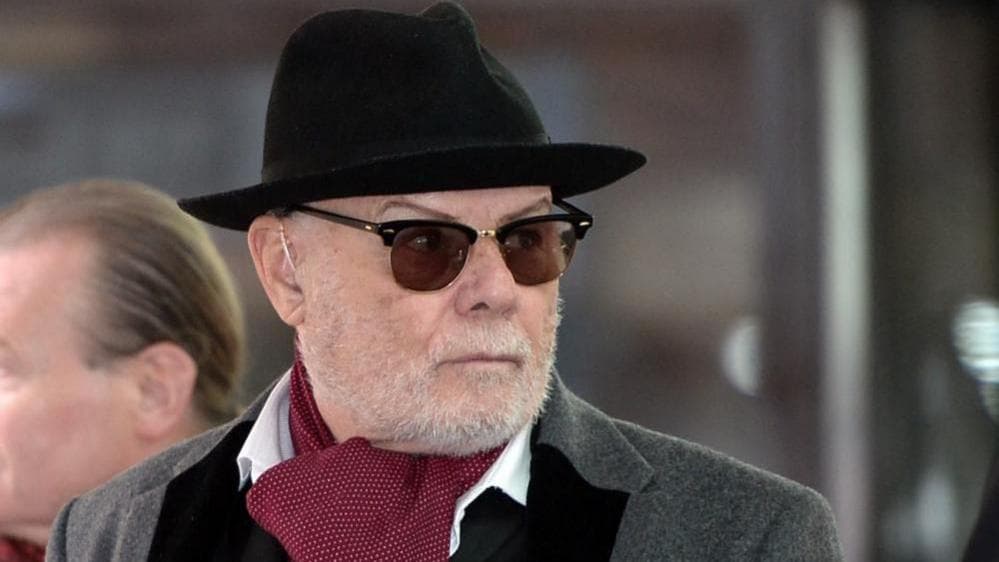
Cecil Baldwin’s voice shaped Welcome to Night Vale’s eerie cult appeal
Cecil Baldwin made a fictional radio host feel real, and that voice became the engine of Welcome to Night Vale’s cult reach. His career shows how voice-first storytelling cuts through digital noise.

Cecil Baldwin and the power of a voice-first persona
Cecil Baldwin did not build his reputation on spectacle so much as precision. His best-known role, Cecil Gershwin Palmer, is the station host and narrator of Welcome to Night Vale, a podcast that turns a fictional community radio broadcast from the desert town of Night Vale into a long-running supernatural fever dream. The result is a rare kind of cult appeal: a show that is both macabre and absurd, and a performer whose calm delivery makes the weirdness feel organized rather than chaotic.
That balance matters. Welcome to Night Vale was created by Joseph Fink and Jeffrey Cranor and first released on June 15, 2012. By the latest publicly available listing, it had reached 12 seasons and 288 main episodes, along with live and bonus installments, a scale that reflects how thoroughly Baldwin’s narration became the show’s structural glue.
How Night Vale turns voice into world-building
The show works because it treats the voice like infrastructure. Instead of relying on visual effects or conventional scene cuts, Welcome to Night Vale uses radio cadence, deadpan timing, and the illusion of a live broadcast to build trust before it undercuts that trust with horror, nonsense, or both at once. Baldwin is listed by the show as narrator on its official credits page, and that formal role underscores what listeners already know: his voice is not simply carrying lines, it is organizing reality inside the story.
That is part of why the series has lasted so long. The premise, an absurdist supernatural fiction podcast presented as a community radio show, gives Baldwin room to perform authority while making the absurd feel routine. In a media landscape full of visual clutter and attention-grabbing interfaces, Night Vale’s stripped-down format depends on a performer who can make listeners imagine the town, the station, and the danger without ever overexplaining any of it.
A career built for strange, tightly controlled performance
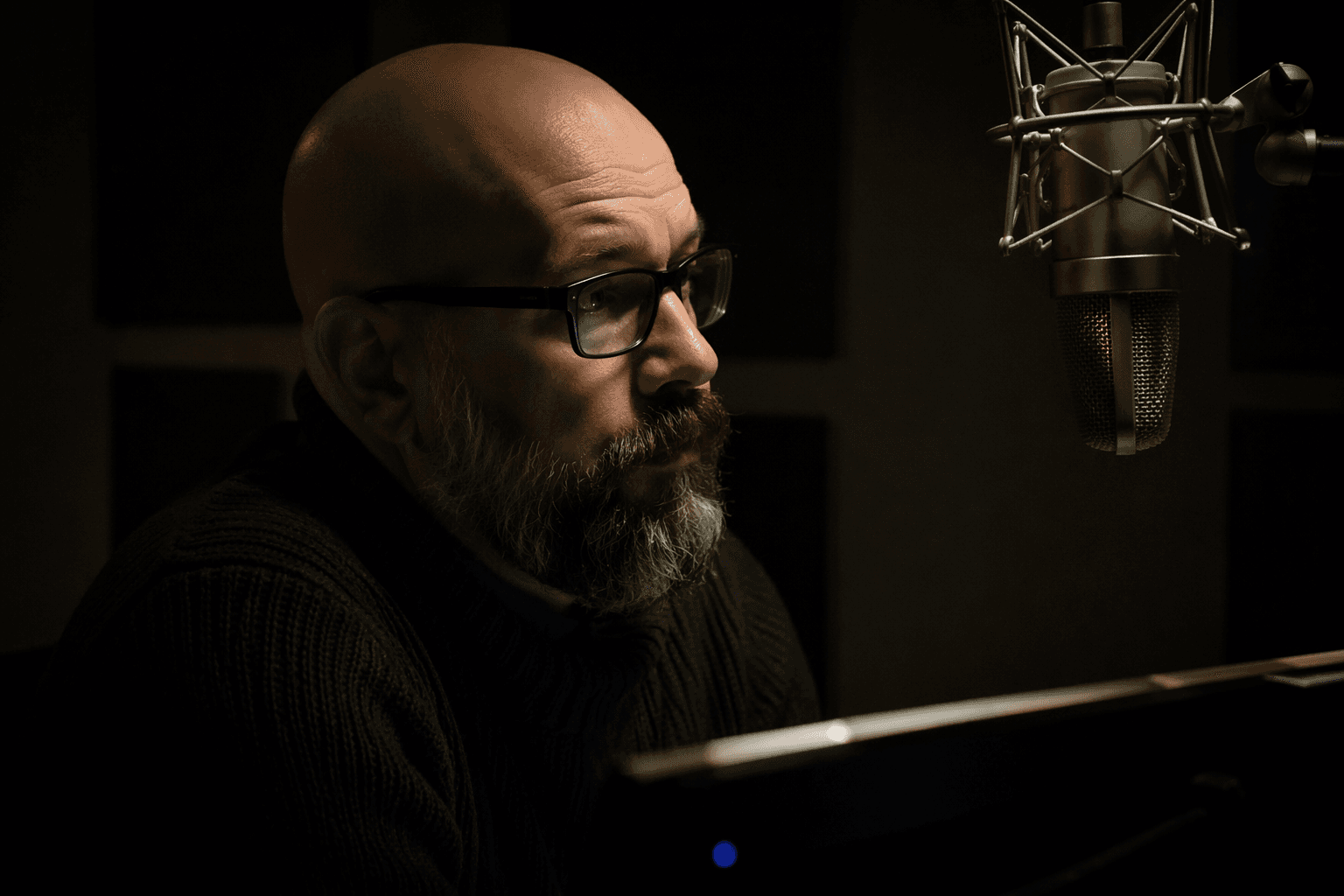
Baldwin’s wider resume fits that same logic. He performed with the New York Neo-Futurists, an experimental theater troupe known for work that descends from the Neo-Futurist tradition, and the company’s signature show, Too Much Light Makes the Baby Go Blind, is built around the challenge of performing 30 plays in 60 minutes. That is a test of pace, adaptability, and clarity under pressure, the same qualities that make a voice actor useful when a story needs to sound both spontaneous and exact.
His association with the troupe also places him in a performance culture that values invention over polish. The New York Neo-Futurists’ listed alumni include Baldwin, which helps explain why his work across podcasting, television, and documentary narration feels so disciplined even when the material is strange. He is the kind of performer who can make experimental form sound easy, and that ease is part of the appeal.
From animated TV to documentary narration
Baldwin’s credits outside Night Vale show how often his voice is used to stabilize eccentric material. He voiced Tad Strange in Gravity Falls, a Disney XD series already known for blending mystery, comedy, and supernatural oddity. That role, like his Night Vale work, depends on tonal control: the character has to feel memorable without tipping the scene away from the rest of the ensemble.
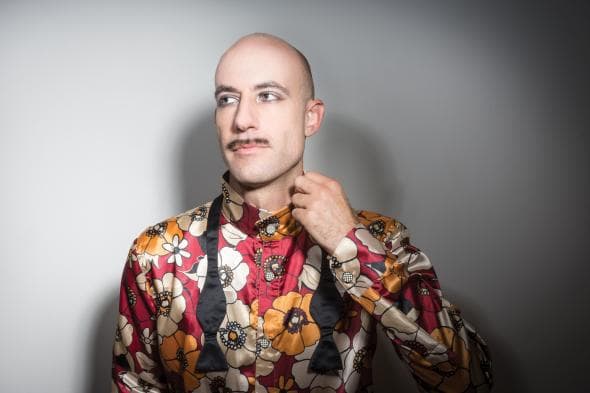
He also narrated the 2019 documentary Scream, Queen! My Nightmare on Elm Street, a film about A Nightmare on Elm Street 2: Freddy’s Revenge. The documentary premiered at the Cleveland International Film Festival on April 5, 2019, before later release, and Baldwin’s narration gives the film a voice suited to retrospective analysis, memory, and horror history. It is a reminder that his skill set is not limited to fiction podcasts, but extends to any format that needs a measured voice to frame emotional or cultural material.
What his work says about modern media fatigue
Baldwin’s career reads like a rebuttal to the overload of contemporary media. He keeps returning to formats that reward attention, not interruption: radio drama, experimental theater, animated storytelling, and documentary narration. In each case, the voice has to do the work that many digital products now try to outsource to graphics, notifications, or constant motion.
That is where the deeper personality-through-technology story emerges. A performer who thrives in audio storytelling often notices what gets in the way of listening: clutter, impatience, and design that demands more than it gives. Baldwin’s most resonant projects suggest a preference for signal over noise, for systems that trust the audience to follow a voice rather than chase an effect.
Night Vale, collaboration, and continuing reach
Baldwin’s partnership with Jeffrey Cranor extends beyond Welcome to Night Vale. The two also cohost Random Number Generator Horror Podcast No. 9, keeping Baldwin inside the ecosystem of horror storytelling that has defined much of his public identity. That collaboration matters because it shows Night Vale was never an isolated success; it became a platform for sustained creative exchange.
He has also recently directed the play As Sylvia while raising awareness for LGBTQ+ issues and HIV, which adds another layer to his public work. The through line is consistency: whether he is directing, narrating, or acting, Baldwin keeps returning to storytelling that treats voice as a tool for community, memory, and cultural attention.
Why the voice still matters
Welcome to Night Vale endures because Baldwin makes the strange sound familiar enough to follow and unsettling enough to remember. The show’s 12 seasons, 288 main episodes, and live and bonus installments are not just a measure of longevity; they are proof that a carefully shaped voice can hold a large, loyal audience without surrendering its oddness.
In a media culture built around constant refresh, Cecil Baldwin’s career points in the opposite direction. He shows how a performer who knows the discipline of theater, the intimacy of narration, and the rhythm of radio can make even the most surreal material feel like a place worth returning to.
This article was produced by Prism’s automated news system from verified source data, official records, and press releases, then run through automated quality and moderation checks before publishing. The system is built and supervised by the people who set the standards it runs under. Read our full AI policy.
Did this article answer your question?