Cellphone bans boost test scores, but initially raise suspensions
Florida’s phone ban curbed absences and lifted later test scores, but the first year brought more suspensions, especially for Black students.
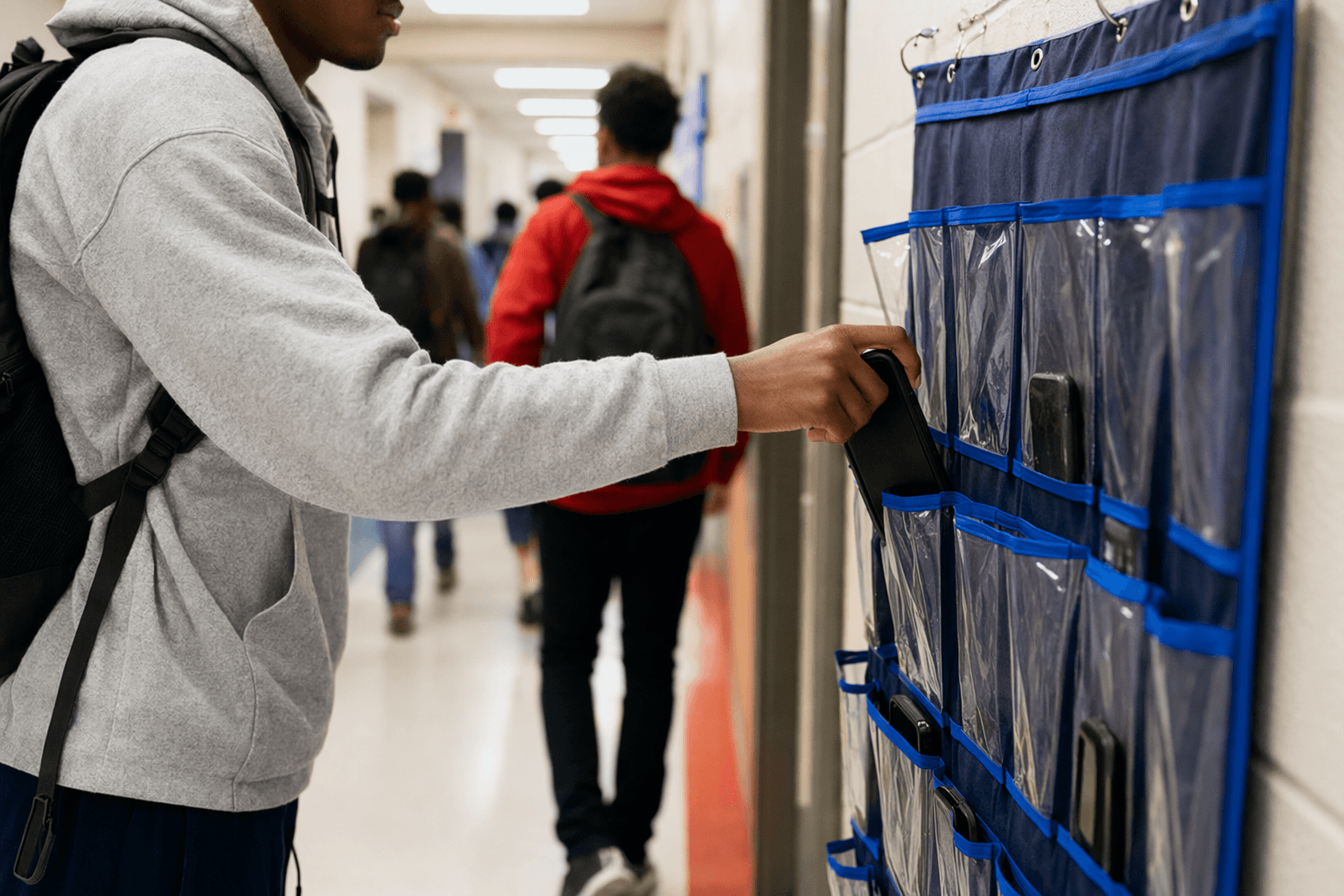
Getting phones out of students’ hands did not immediately improve school behavior in Florida, and the first year brought more suspensions, especially for Black students, before test scores rose later. The sharpest lesson from the state’s new evidence is that a cellphone ban is a compliance tool, not a standalone academic fix.
A working paper from the National Bureau of Economic Research on a Florida school district found that enforcing cellphone bans produced a short-term increase in suspensions. Those disciplinary effects faded after the first year, but the academic effects took longer to appear. By the second year of the ban, the study found significant gains in test scores, along with fewer unexcused absences, which researchers said may explain much of the improvement. The effects were strongest in middle and high schools, where smartphone ownership is more common.
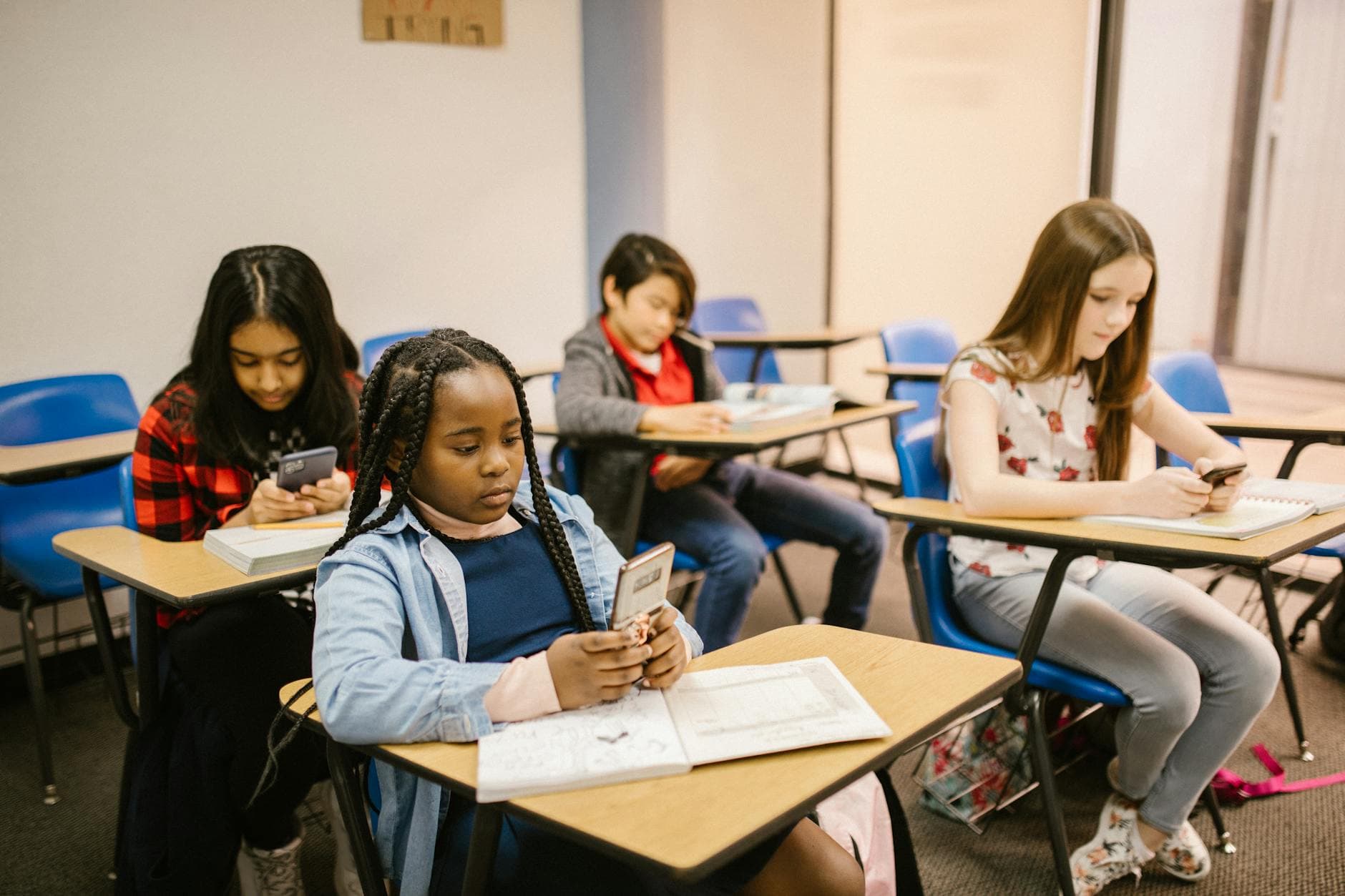
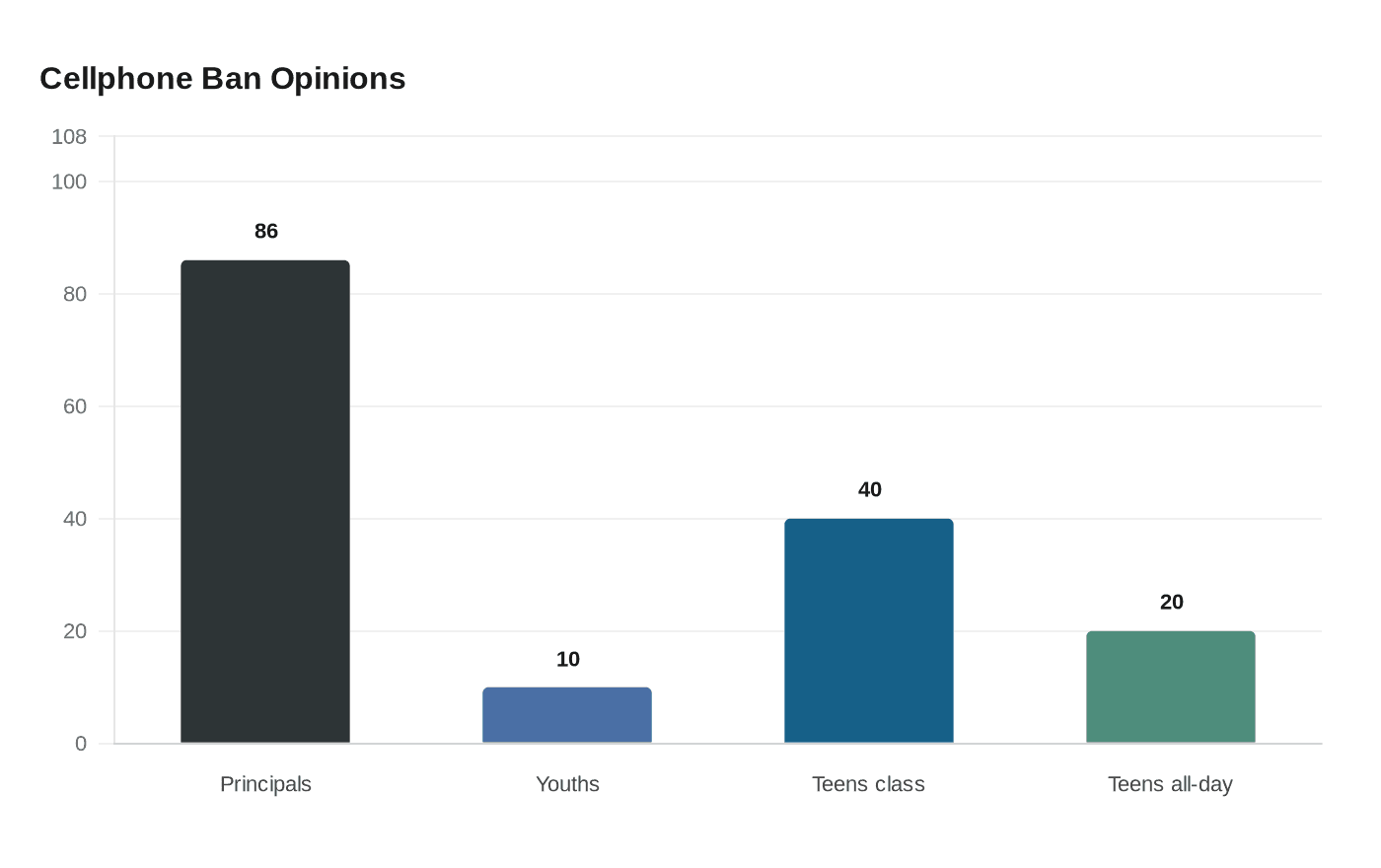
The Florida results fit a broader national push that has moved far beyond one district. As of June 2025, 29 states had passed laws restricting cellphone use in K-12 schools. RAND reported in October 2025 that nearly all K-12 schools had some cellphone policy, and two-thirds used bell-to-bell restrictions. In schools with restrictive rules, 86% of principals said they saw benefits, especially better school climate, less inappropriate phone use and less cyberbullying. Youths were far less enthusiastic: only 10% supported bell-to-bell bans.
Public opinion is more supportive than that youth response suggests, but still divided on how far restrictions should go. Brookings reported in January 2026 that 55% of surveyed students said their schools had bell-to-bell bans as of October 2025, and that most teens and caretakers saw little major effect either way. Pew Research Center found in January 2026 that about 4 in 10 U.S. teens backed classroom bans, but only about 1 in 5 supported all-day restrictions.

The mixed Florida outcome reinforces what the broader evidence now suggests: limiting access to phones can change student behavior and attendance patterns, but it does not automatically deliver instant gains in learning or wellbeing. A University of Birmingham study published in February 2025 found no clear link between strict school phone policies and better mental health or wellbeing, underscoring the limits of single-fix discipline policies.
That leaves districts with a harder task than simply collecting devices at the door. To turn bans into measurable gains, schools need consistent enforcement, teacher support, and follow-through for students who are already struggling academically or emotionally. Connecticut lawmakers advanced a statewide bell-to-bell ban in April 2026, and Oklahoma moved a permanent public-school cellphone ban forward the same month, but the Florida evidence shows the policy work does not end once the phones are off.
This article was produced by Prism’s automated news system from verified source data, official records, and press releases, then run through automated quality and moderation checks before publishing. The system is built and supervised by the people who set the standards it runs under. Read our full AI policy.
Did this article answer your question?