Central African Republic agrees to take U.S. deportees from other nations
Bangui has agreed to receive U.S. deportees from other countries, extending a little-known system that has already sent people to four other African states.

Central African Republic has agreed to receive migrants deported by the United States even when those people are not Central African citizens, widening a deportation practice that now stretches far beyond America’s borders. The arrangement, discussed in Bangui during a May 18 meeting with a U.S. delegation led by Christian Jové Ehrhardt, would place deportees in a country where they may have no family ties, no legal status and no clear path forward.
The deal matters because it is part of a broader third-country removal system that Washington has already used with the Democratic Republic of Congo, Ghana, Sierra Leone and Equatorial Guinea. Senate Democrats say those opaque arrangements have cost tens of millions of dollars, while rights groups warn they can bypass protections that U.S. immigration courts have already granted to some deportees, including safeguards against being sent back to their home countries.
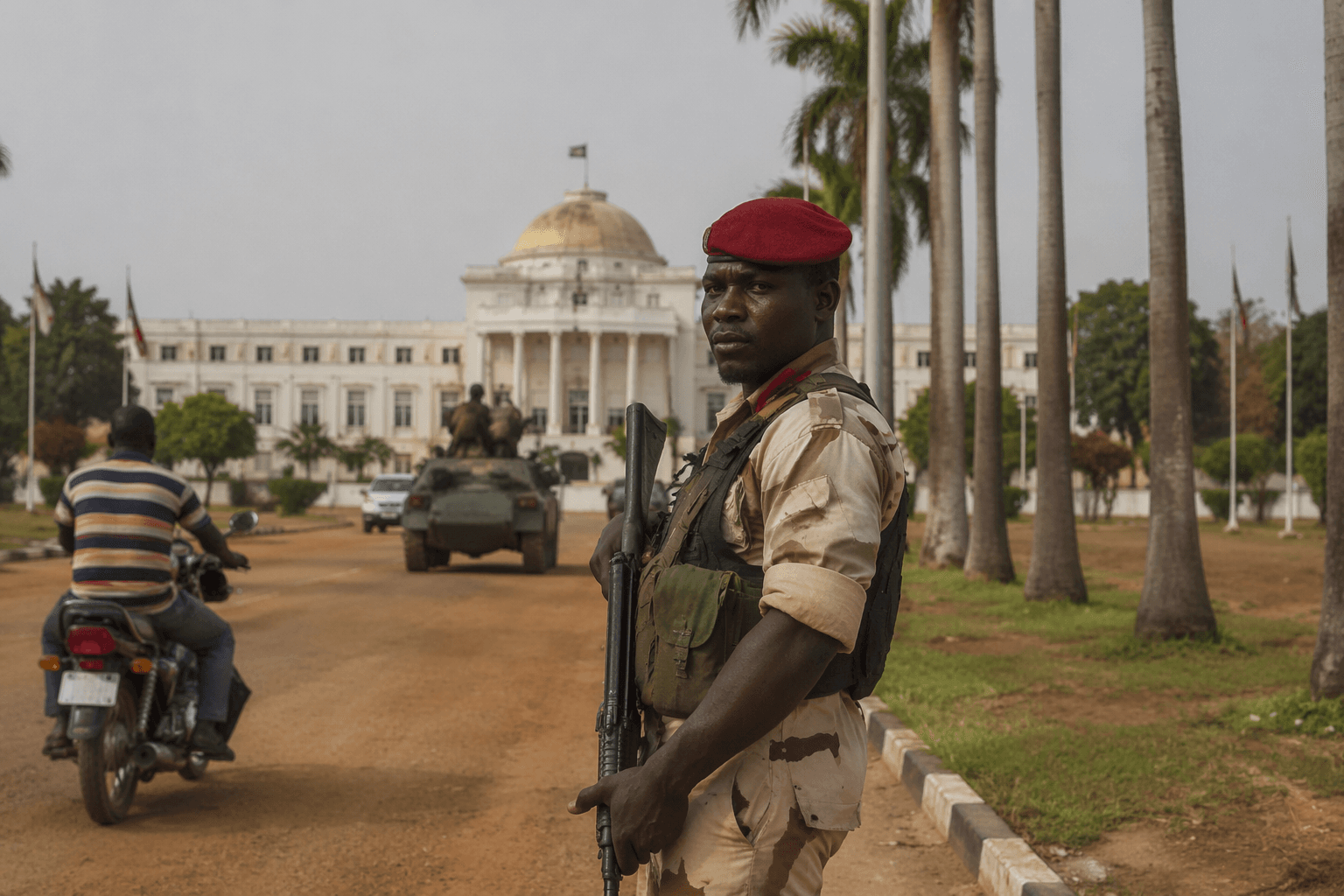
For Central African Republic, the agreement lands in one of the world’s poorest and least stable states, with about 5.5 million people and repeated cycles of unrest since independence from France in 1960. President Faustin-Archange Touadera, who won a third term in December 2025, has been balancing Russian security support with renewed interest in Western partnerships tied to critical minerals, making the deportation pact part of a wider diplomatic and economic calculation rather than a narrow immigration transaction.
The practical mechanics remain unclear. A Central African government official said the country would accept immigrants deported by U.S. authorities within the framework of agreements with Washington, and a diplomat in the region said a deal had been reached. But neither source offered details on how many people would be sent, what nationalities they would hold or when flights might begin, leaving unanswered the basic question of what conditions deportees would face on arrival.
One sign that the plan was already moving from diplomacy to implementation came on May 22, when U.S. District Judge Lee Rosenthal issued a temporary restraining order blocking the deportation of a Turkish national to Central African Republic. U.S. officials had planned to send that person there on May 26, underscoring how quickly third-country transfers can move once the paperwork is in place.
The International Organization for Migration is expected to be involved in assisting deportees after they arrive in Central African Republic, and the agency has already helped third-country deportees elsewhere in Africa, including Congo. The United States this year awarded $85 million to IOM for operations in Central African Republic, a funding stream that suggests migration enforcement, humanitarian logistics and foreign assistance are increasingly overlapping in the same deal.
This article was produced by Prism’s automated news system from verified source data, official records, and press releases, then run through automated quality and moderation checks before publishing. The system is built and supervised by the people who set the standards it runs under. Read our full AI policy.
Did this article answer your question?