Central banks accelerate gold buying as geopolitical risks rise
Central banks bought 1,045 tonnes of gold in 2024, extending a 15-year buying streak as war risk and sanctions fears pushed reserves beyond the dollar system.
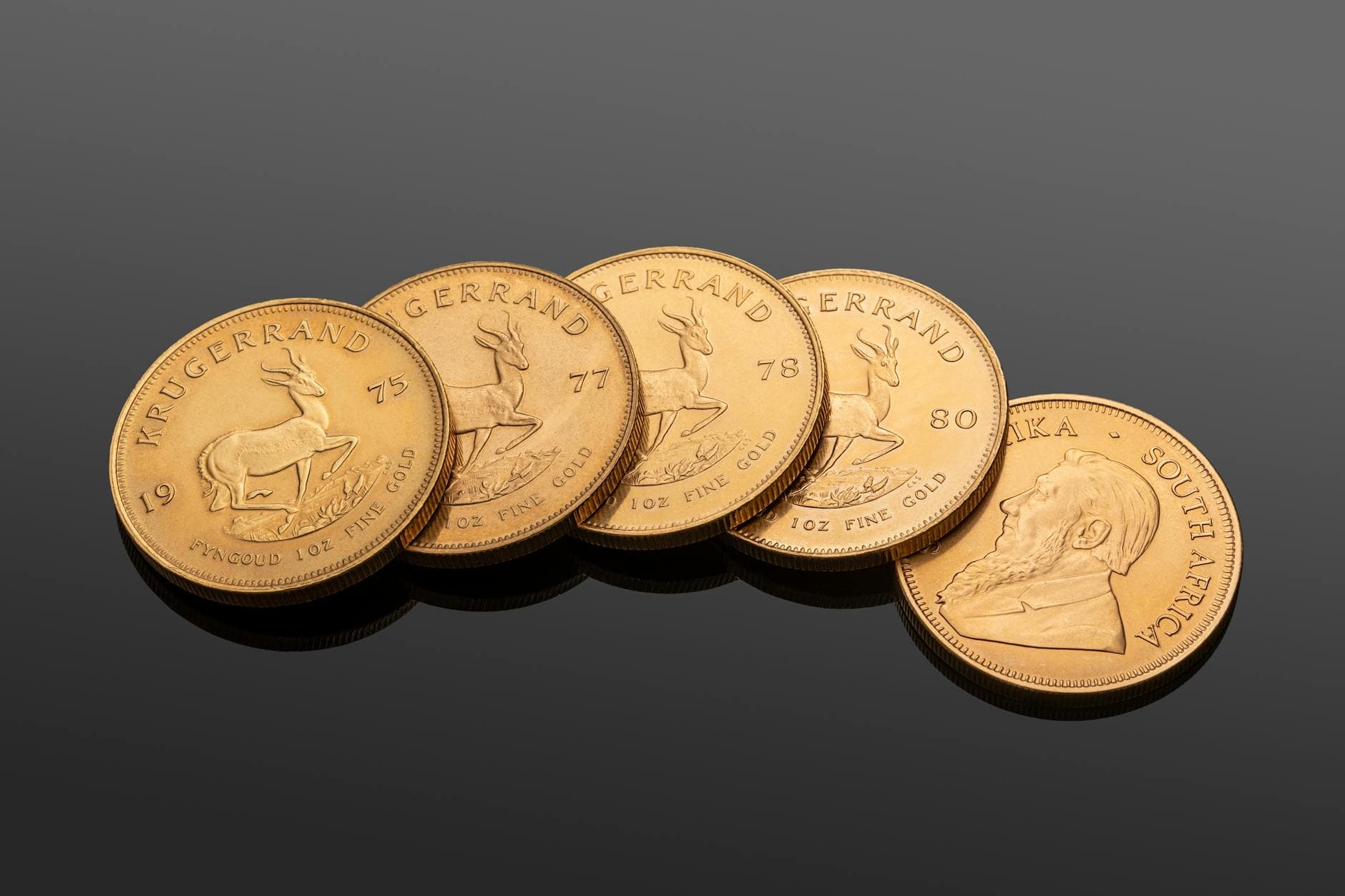
Central banks kept loading up on gold in 2024, buying 1,045 tonnes and extending a 15-year buying streak that has become one of the clearest signs of strain in the global monetary order. The pace quickened as geopolitical risk rose, with a widening Middle East war adding urgency to a scramble for reserve assets that sit outside another country’s control.
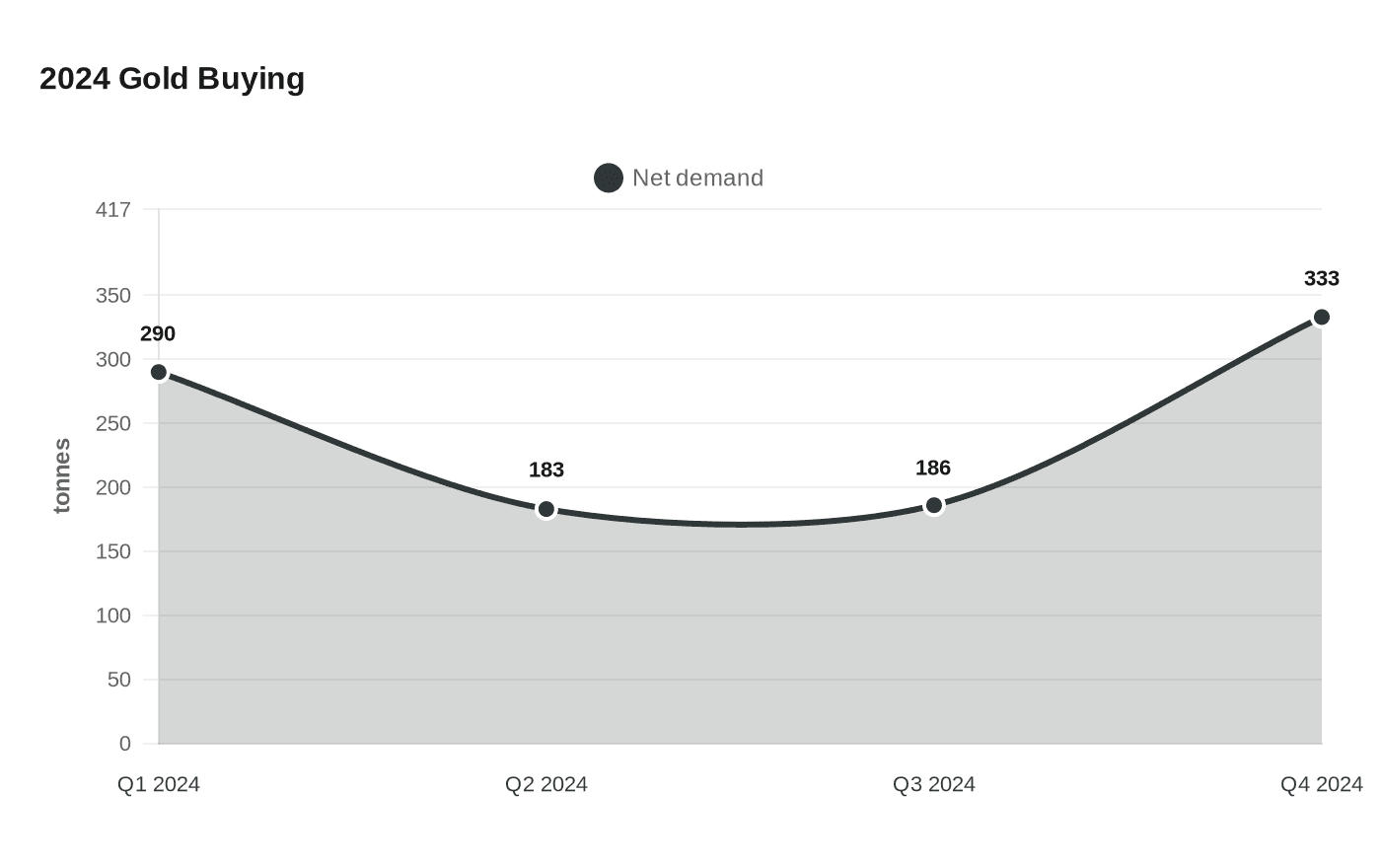
The buying was broad and persistent. Central banks added 1,082 tonnes in 2022, a record annual total, then 1,037 tonnes in 2023, the second-highest on record. In 2024, net demand came in at 290 tonnes in the first quarter, 183 tonnes in the second, 186 tonnes in the third and then surged to 333 tonnes in the fourth. The World Gold Council said the fourth-quarter burst helped make 2024 the third consecutive year with purchases above 1,000 tonnes.
A growing list of governments has been involved. The World Gold Council has reported recent buying by China, Turkey, India, Poland, Kazakhstan, Jordan, Qatar and Brazil. Its 2024 survey of reserve managers found that nearly 30% planned to add to their gold reserves within the next year, a sign that official demand is likely to remain elevated even if prices stay high.
The International Monetary Fund’s data showed gold made up 18.3% of international reserves in 2024, while the market value of gold held by monetary authorities rose 29.9% to 2.3 trillion SDR. The physical stock of official gold rose 0.7% in the year, with emerging and developing economies increasing holdings by 2.6% while advanced economies were flat. That split underscored where concern over currency volatility, sanctions exposure and geopolitical shocks remains most acute.
The appeal is rooted in a break with the postwar monetary order. In 1971, as the Federal Reserve’s historical materials note, the United States ended the dollar’s direct convertibility into gold, severing the last formal link to Bretton Woods. More than five decades later, central banks are still acting on the lesson of that rupture: when war risk rises and trust in the system erodes, gold is the reserve asset that no foreign government can freeze, devalue or control.
This article was produced by Prism’s automated news system from verified source data, official records, and press releases, then run through automated quality and moderation checks before publishing. The system is built and supervised by the people who set the standards it runs under. Read our full AI policy.
Did this article answer your question?
%3Amax_bytes(150000)%3Astrip_icc()%2FCertificate-of-deposit-2301f2164ceb4e91b100cb92aa6f868a.jpg&w=1920&q=75)