South Korea exports surge 48%, AI chip demand powers trade growth
South Korea’s exports jumped 48% in April as chip demand surged, turning the country into a live measure of the AI buildout.
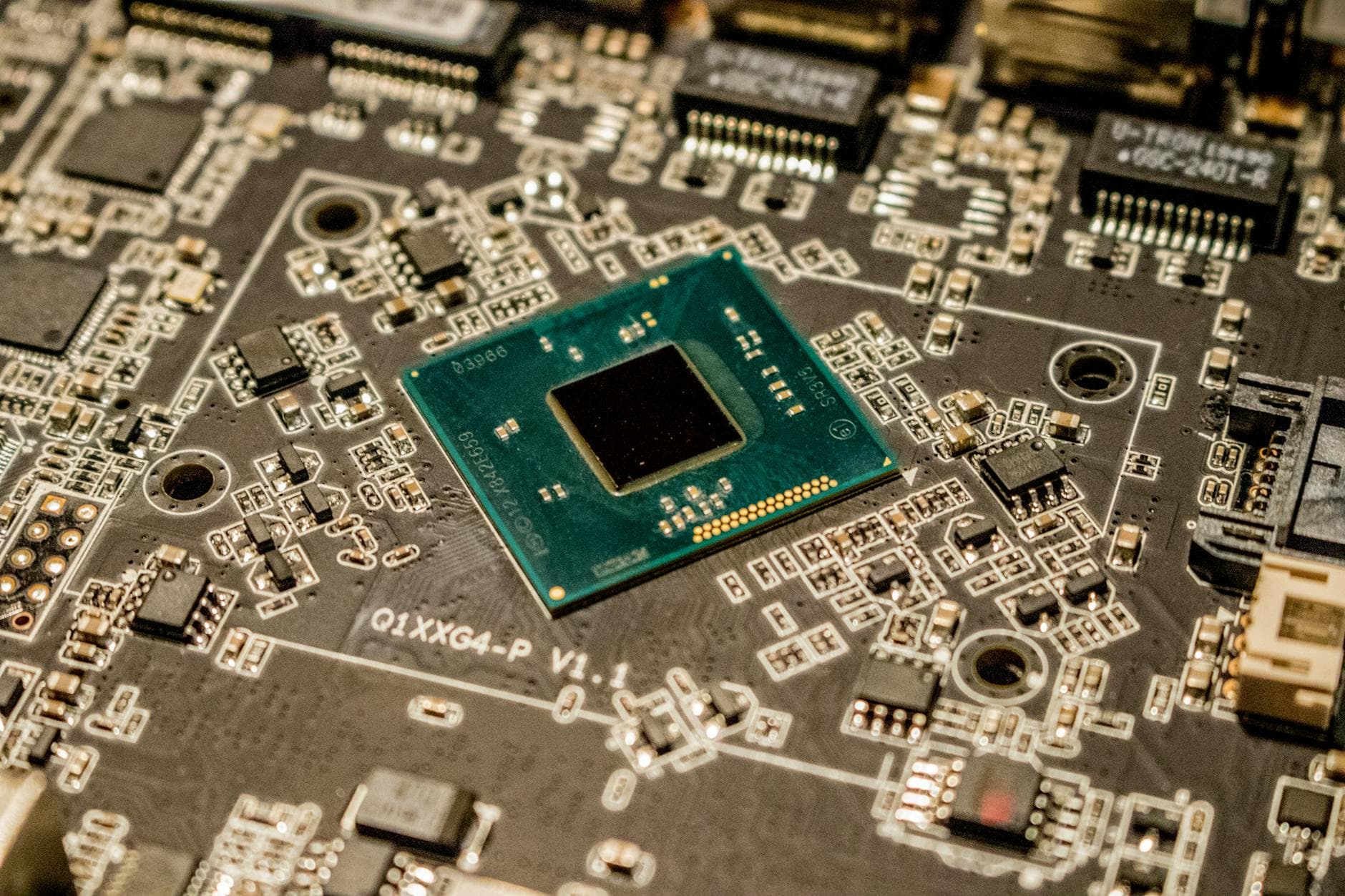
South Korea’s export machine showed how much of the AI boom has already reached real trade flows. Government data released Friday showed shipments from Asia’s fourth-largest economy rose 48.0% from a year earlier in April, the 11th straight month of gains and a result that easily beat the 45.3% forecast in a Reuters poll.
Semiconductors did the heavy lifting. Chip exports surged 173% year on year as memory-chip contract prices kept rising, while computer-related exports jumped 516% on strong demand for solid-state drives tied to AI infrastructure spending. The numbers underline how quickly demand for servers, storage and advanced chips is feeding through to exporters that sit deep inside the global electronics supply chain.
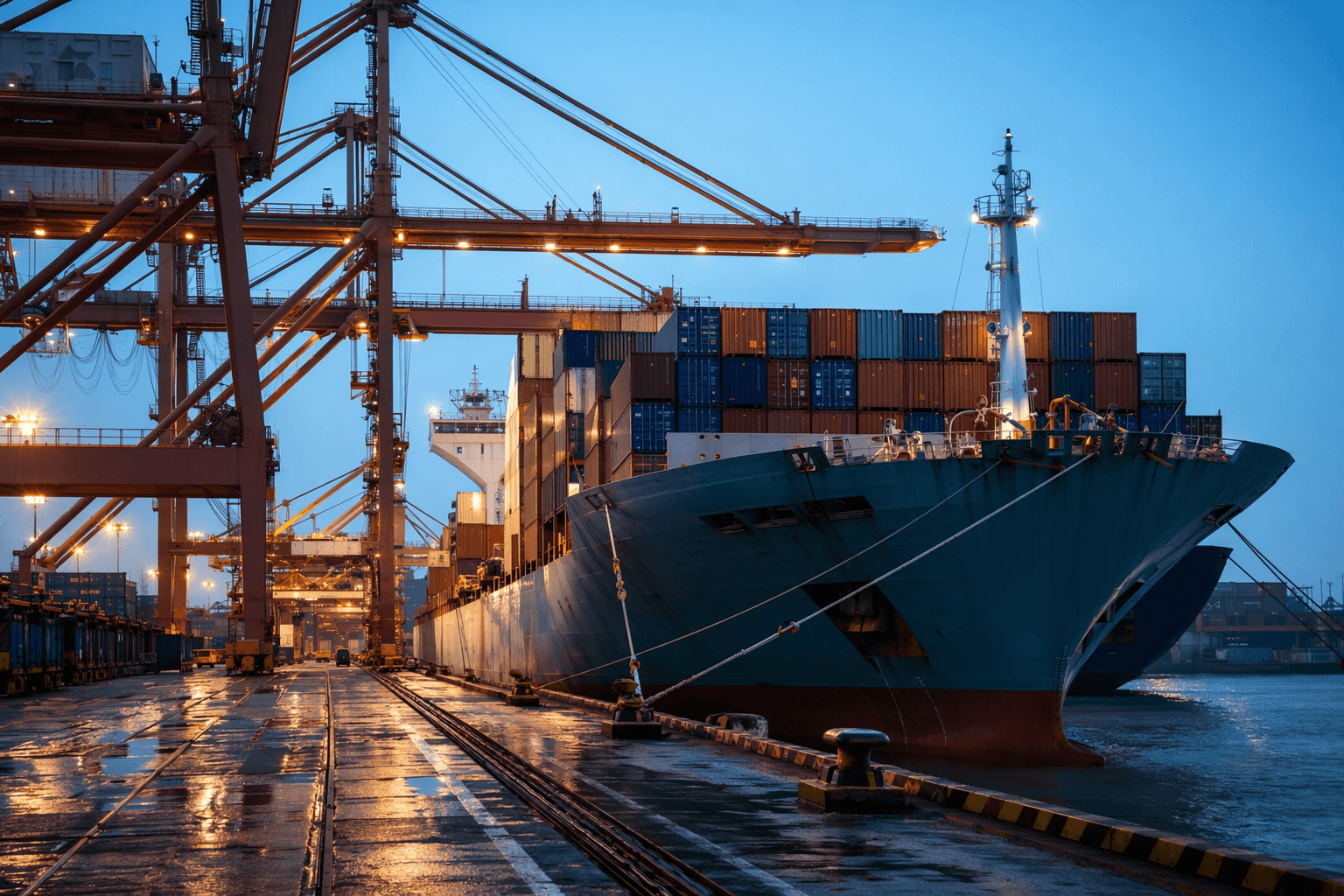
The strength was not limited to chips. Exports to China climbed 63% and shipments to the United States rose 54%, showing how closely South Korea remains linked both to Chinese manufacturing networks and to U.S.-led technology demand. Petroleum-product shipments also increased 40% as higher crude prices lifted the value of those exports. Imports rose 16.7%, leaving South Korea with a preliminary trade surplus of $23.77 billion.
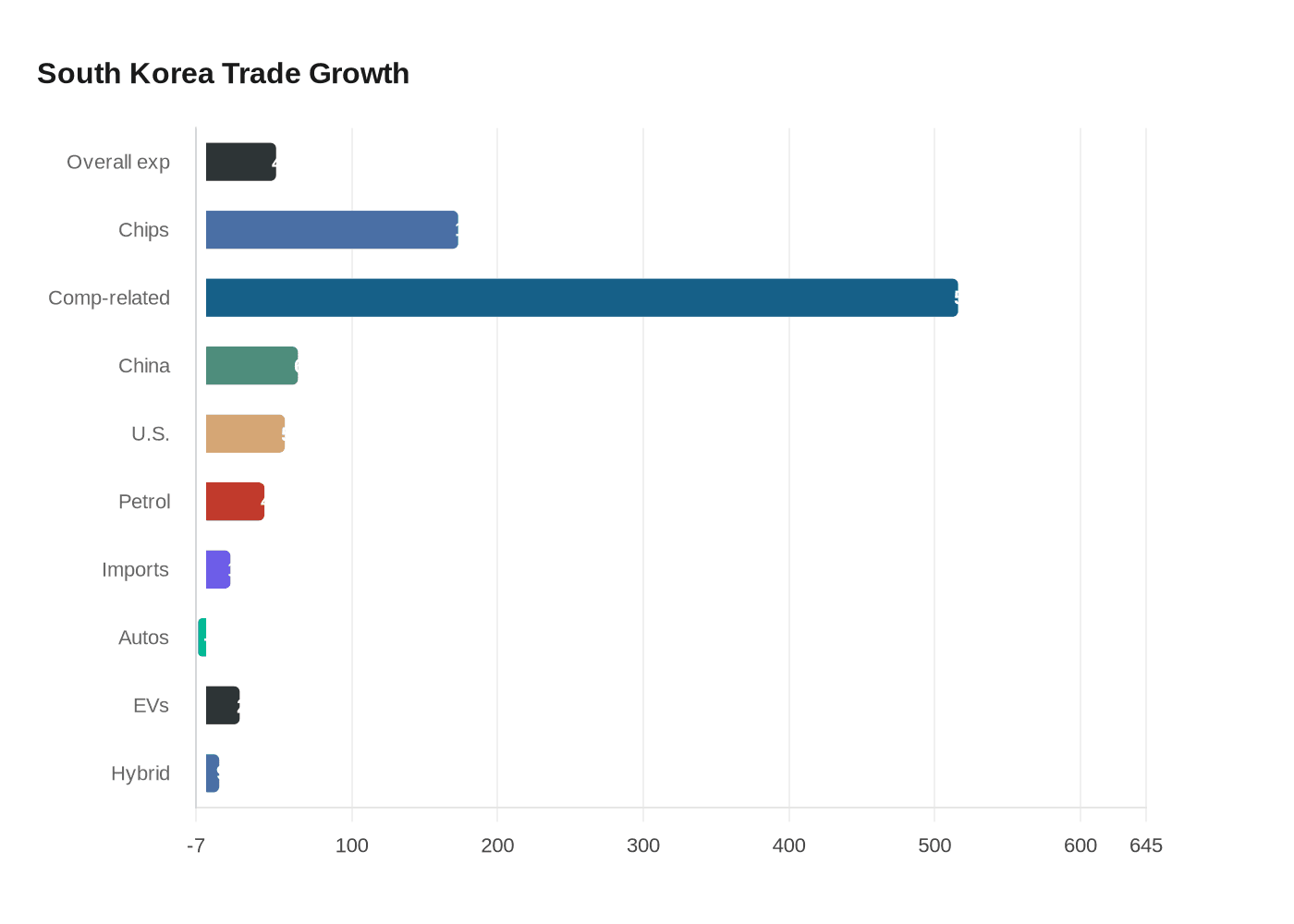
Even so, the trade picture was not uniformly strong. Automobile exports fell 5.5% from a year earlier, with the ministry pointing to Middle East tensions and rising U.S. car production as headwinds. Electric vehicle exports still rose 23%, and hybrid vehicle shipments gained 9%, suggesting some parts of the auto sector continued to expand even as the broader category softened.
The data mattered well beyond Seoul. South Korea is one of the clearest barometers for world trade and chip demand, and the latest figures showed the upside from the AI buildout coexisting with fresh vulnerabilities in energy and logistics. Samsung Electronics and SK Hynix had just posted blockbuster quarterly profits, reinforcing the view that the current chip cycle is offsetting downside risks from war-driven energy costs. Standard Chartered economist Park Chong-hoon said high-margin tech shipments and the surge in computer-peripheral exports were more than compensating for heavier oil imports. For now, South Korea’s export engine is still running hot, even as geopolitical tension makes the supply chain more fragile.
This article was produced by Prism’s automated news system from verified source data, official records, and press releases, then run through automated quality and moderation checks before publishing. The system is built and supervised by the people who set the standards it runs under. Read our full AI policy.
Did this article answer your question?
%3Amax_bytes(150000)%3Astrip_icc()%2FCertificate-of-deposit-2301f2164ceb4e91b100cb92aa6f868a.jpg&w=1920&q=75)