Iran conflict fertiliser shortage could slash crop yields, raise food prices
Shipping through Hormuz has collapsed, and Yara says 500,000 tons of nitrogen fertiliser are missing, raising the risk of smaller harvests and pricier food.

A disruption in the Strait of Hormuz is already hitting the pipeline between energy, fertiliser and food, and the first signs are stark. Yara International chief executive Svein Tore Holsether said about half a million tons of nitrogen fertiliser are not being produced because of the conflict around Iran, warning that some crops could lose as much as 50% of their yield in the first season without it.
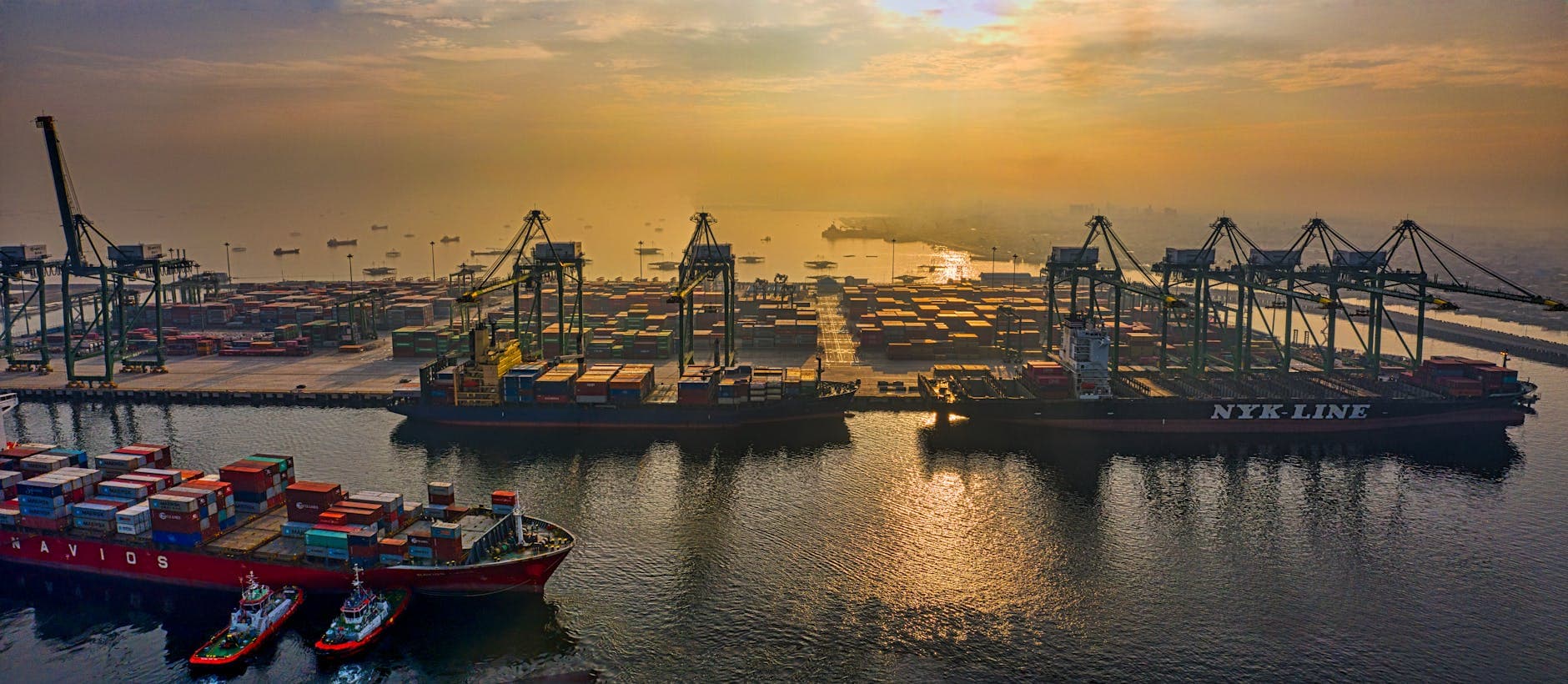
The warning matters far beyond the Gulf because the Strait of Hormuz is one of the world’s most important shipping lanes. UNCTAD said traffic through the waterway fell from about 130 ships a day before the crisis to single digits in early March, a drop of more than 95%. The strait carries around a quarter of global seaborne oil, along with large volumes of liquefied natural gas and fertilisers, and that concentration makes any disruption immediately global in scope.
Holsether’s sharpest claim was that the shock could amount to as many as 10 billion meals a week not being produced. The more concrete evidence behind that figure is the fertiliser shortfall itself: Yara said the blockage of Hormuz is disrupting roughly one-third of globally traded urea, while also constraining natural gas, ammonia, phosphates and sulphur. Since natural gas is a key input in nitrogen fertilisers such as urea and ammonia, higher gas prices feed directly into higher production costs. Yara said fertiliser prices have already risen 80% since the start of the war.

The timing is especially dangerous because farmers in many countries are buying fertiliser for spring planting, when the next harvest is set. Holsether said farmers are paying more for energy, diesel and other inputs while crop prices have not risen enough to cover the squeeze. That is why the early damage could show up first in farm budgets and only later in food bills, but the lag is still likely to be painful.
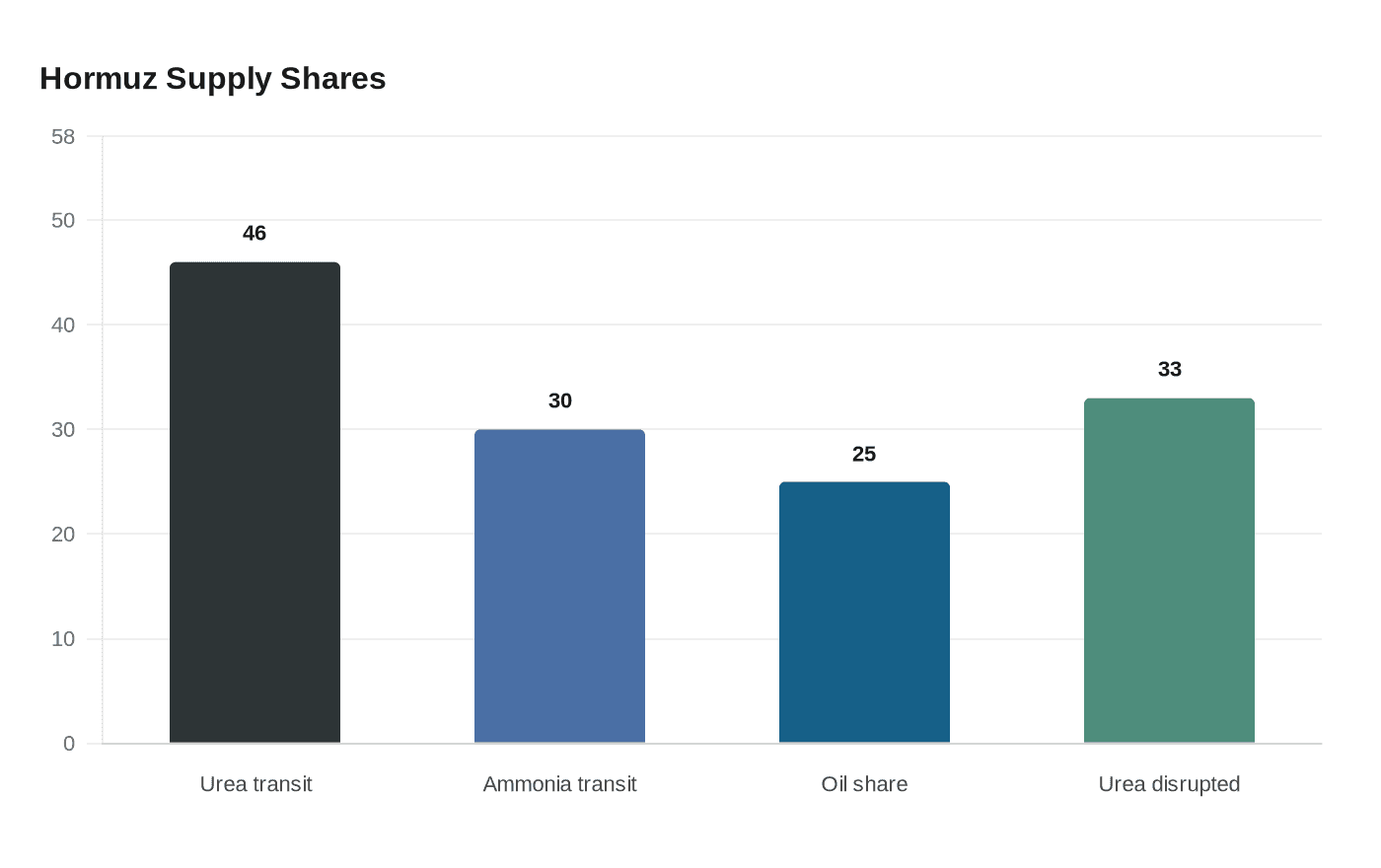
Carnegie Endowment for International Peace said Persian Gulf countries account for about 46% of global seaborne urea transit and around 30% of ammonia transit, suggesting the supply shock could ripple well beyond the immediate conflict zone. It said food prices may take six to nine months to respond fully. In the United Kingdom, the Food and Drink Federation has forecast food inflation could reach 10% by the end of the year, although Holsether said Britain is unlikely to face direct food shortages. The wider risk is a bidding war for food between richer and poorer countries, with the poorest households in developing nations likely to pay the highest price.
This article was produced by Prism’s automated news system from verified source data, official records, and press releases, then run through automated quality and moderation checks before publishing. The system is built and supervised by the people who set the standards it runs under. Read our full AI policy.
Did this article answer your question?
%3Amax_bytes(150000)%3Astrip_icc()%2FCertificate-of-deposit-2301f2164ceb4e91b100cb92aa6f868a.jpg&w=1920&q=75)
