South East Water chair resigns after MPs slam leadership over outages
Chris Train quit after MPs said South East Water had no confidence from them, following a Tunbridge Wells outage that left up to 60,170 people short of water.
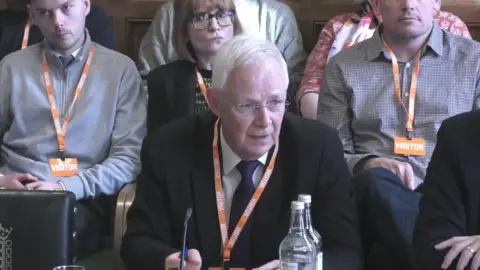
South East Water’s independent non-executive chair, Chris Train, resigned immediately after MPs said they had no confidence in the company’s chief executive or board, escalating pressure on a privatized utility already under scrutiny for repeated outages and weak oversight.
The Environment, Food and Rural Affairs Committee said South East Water had suffered “multiple and ongoing failures” and “wholly inadequate governance” after two hearings into the late-2025 Tunbridge Wells crisis. The committee said tens of thousands of customers were left without drinking water for two weeks, including many in care settings or otherwise vulnerable, and urged the company’s shareholders to hold it to account.
South East Water said new independent board leadership was needed to oversee a period of “positive, transformative change.” Lisa Clement has taken over as interim independent non-executive chair. The company serves households across Kent, Sussex, Surrey, Hampshire and Berkshire, putting the question of accountability far beyond one boardroom transition and into the wider reliability of a system that millions depend on every day.

The resignation followed a blunt public reckoning from Train himself. When he faced MPs on 14 April 2026 over outages in Kent and Sussex, he said the company had failed in its primary duty to supply water and told them, “We failed our customers.” That admission now sits alongside a far more damaging official finding from the Drinking Water Inspectorate, which concluded that the November and December 2025 loss of supply and boil-water notice affecting up to 60,170 consumers was “foreseeable and preventable.”
At the peak of the Tunbridge Wells outage, around 24,000 homes and businesses were left without water or low pressure, before the disruption spread into a boil-water notice. For a company that still has to persuade customers its network can withstand strain, the numbers matter as much as the management changes. The committee’s criticism, including its call for accountability from Utilities Trust of Australia, NatWest Group Pension Fund and Desjardins Group, signals that shareholders are now part of the public test.
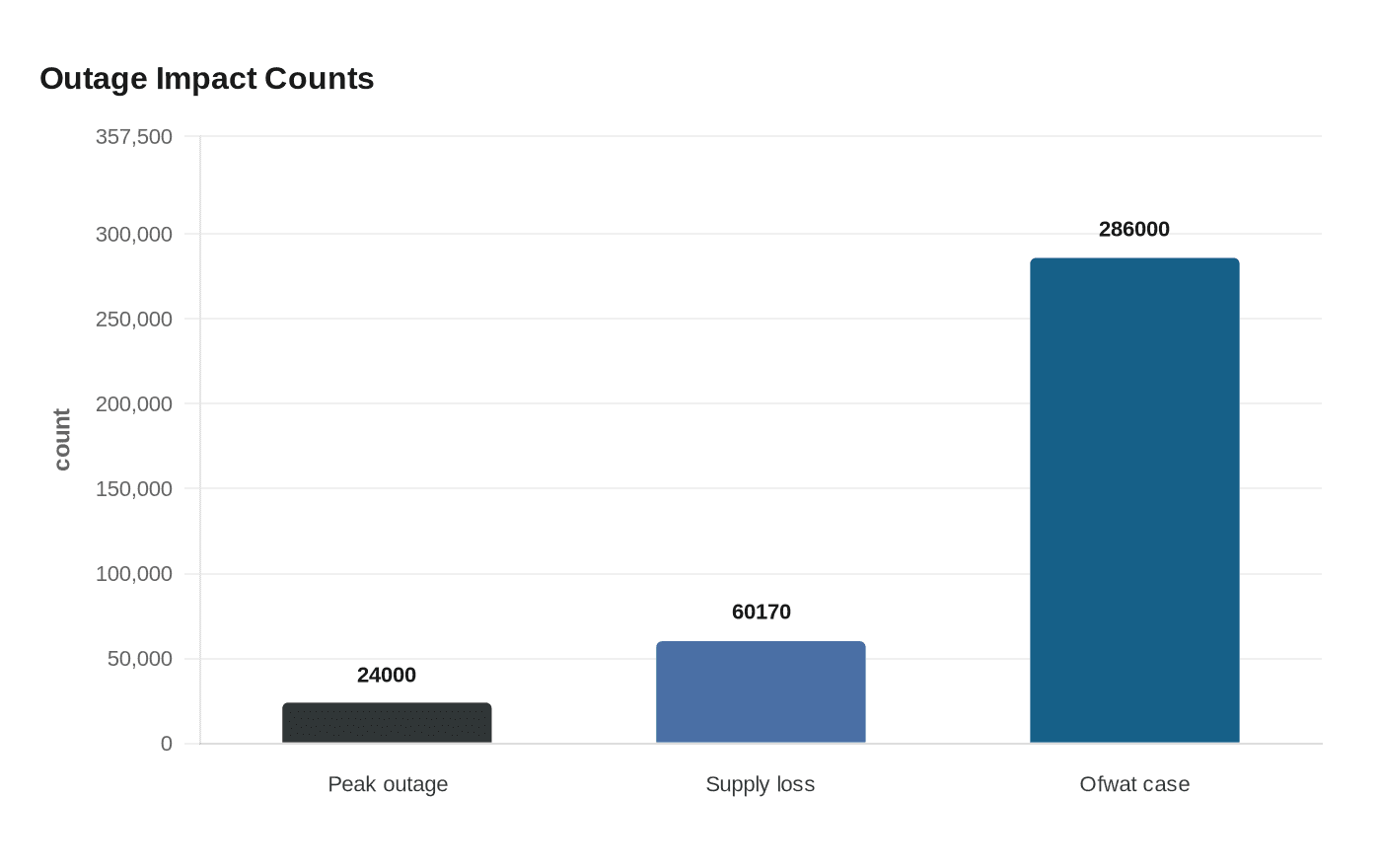
That test is sharpened by Ofwat’s separate consultation on a fine of up to 8% of South East Water’s annual turnover, reported as £22.46 million, over supply failures and poor customer service between 2020 and 2023. That case covers outages affecting more than 286,000 people, underlining how the issue has moved from an isolated incident to a broader judgment on regulation, investment and whether privatized water companies can restore trust after repeated breakdowns.
This article was produced by Prism’s automated news system from verified source data, official records, and press releases, then run through automated quality and moderation checks before publishing. The system is built and supervised by the people who set the standards it runs under. Read our full AI policy.
Did this article answer your question?
%3Amax_bytes(150000)%3Astrip_icc()%2FCertificate-of-deposit-2301f2164ceb4e91b100cb92aa6f868a.jpg&w=1920&q=75)