Cepeda backs away from constitutional rewrite to win centrist votes
Cepeda abandoned an immediate constitutional rewrite and vowed consensus reforms, a move aimed squarely at centrists before Colombia’s June 21 runoff.

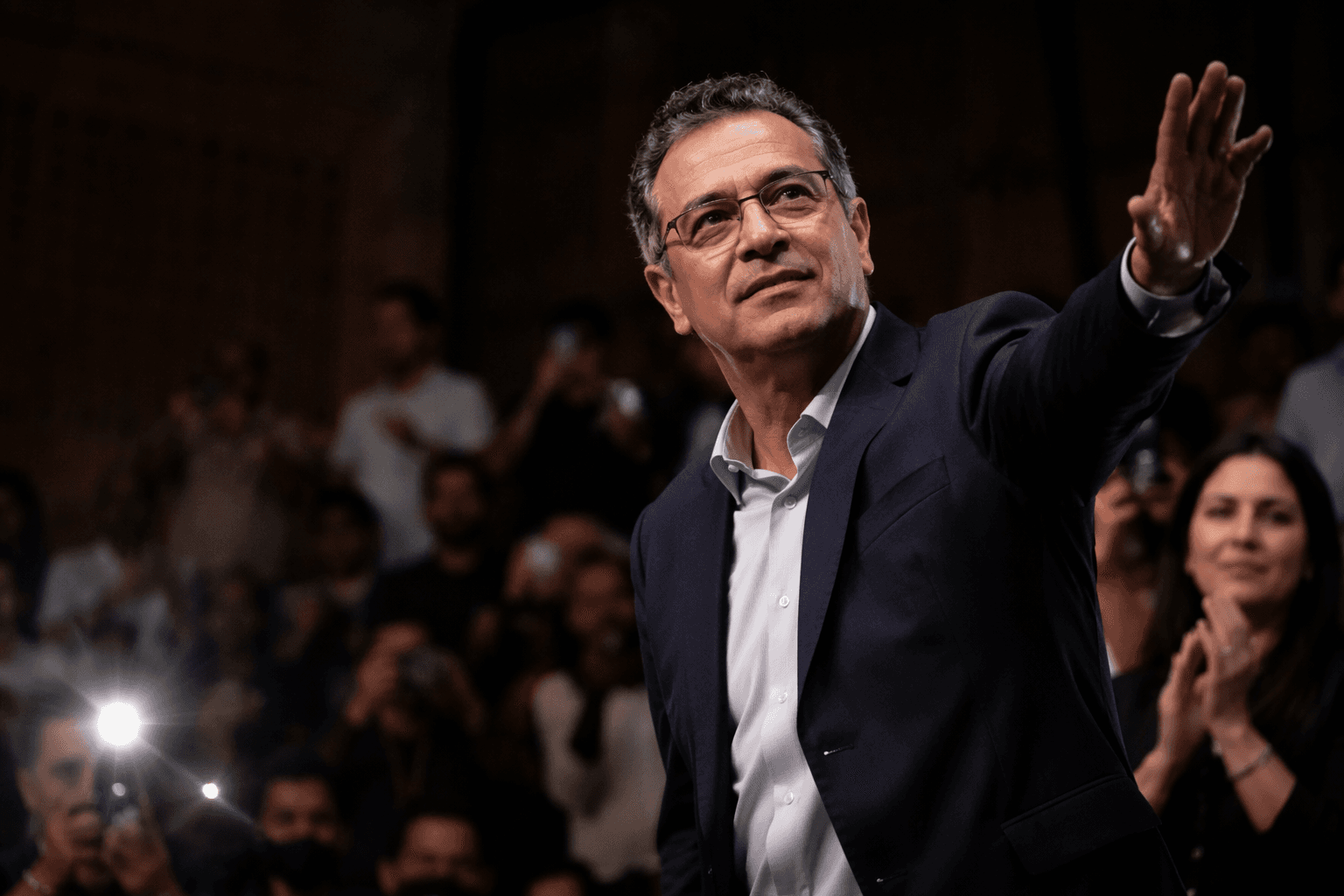
Iván Cepeda moved to calm centrist voters on June 4, saying he would seek consensus for national reforms if elected in Colombia’s June 21 runoff rather than immediately push a constituent assembly to rewrite the constitution. The shift marked a clear softening from a proposal that had become a flashpoint in a race already defined by distrust, turnout fatigue and a polarized left-right showdown.
The recalibration came after the May 31 first round sent the contest to a runoff. Abelardo de la Espriella finished first with 43.7 percent of the vote, while Cepeda followed with 40.9 percent, leaving both men short of the majority needed to avoid a second round. Analysts described the first round as marked by a deflated centrist vote, a sign that much of the middle had either stayed home or failed to coalesce behind a single alternative.
Cepeda’s new posture matters because the constituent assembly idea had been closely tied to Gustavo Petro’s broader push to deepen social reforms. The earlier proposal envisioned changes to health, pensions, judicial reform, political financing, the environment and implementation of the 2016 Peace Agreement. It drew pushback from centrists and the right, who warned that a rewrite could unsettle checks and balances rather than strengthen them.
The constitutional debate carries unusual weight in Colombia. The country’s 1991 Constitution emerged from a publicly elected Constituent Assembly, and studies of that process describe it as an attempt to turn exclusion into inclusion during a period of political crisis and armed conflict. That history gives any new rewrite proposal a dual meaning: for supporters, a chance at institutional renewal; for opponents, a warning sign.
Cepeda, 63, is no ordinary left-wing standard-bearer. A longtime senator and human-rights activist, he is the son of Manuel Cepeda Vargas, the communist politician assassinated in 1994. His campaign has tried to combine that legacy with a message of institutional reassurance, framing his bid around protecting social programs and vulnerable Colombians while casting De la Espriella as a threat to existing safeguards.
The pressure to narrow the gap is only growing. The runoff will decide not just the presidency but also the direction of Colombia’s institutions and its posture toward the United States. On June 4, the Committee for the Promotion of the National Constituent Assembly reportedly halted signature collection and withdrew the project, further weakening the immediate prospect of a rewrite and underscoring how quickly the constitutional debate has shifted from campaign rallying cry to strategic liability.
This article was produced by Prism’s automated news system from verified source data, official records, and press releases, then run through automated quality and moderation checks before publishing. The system is built and supervised by the people who set the standards it runs under. Read our full AI policy.
Did this article answer your question?