Channel Tunnel Power Fault Repaired as Travel Faces Major Delays
An internal overhead power fault inside the Channel Tunnel shut cross-Channel rail links on Dec. 30 and, after a stalled vehicle shuttle compounded the outage, produced multi-hour disruption over the year-end travel peak. Operators reported the fault repaired by Dec. 31 and services running both directions, but widespread cancellations, lingering delays and disrupted New Year travel plans continued to ripple through passenger and freight networks.
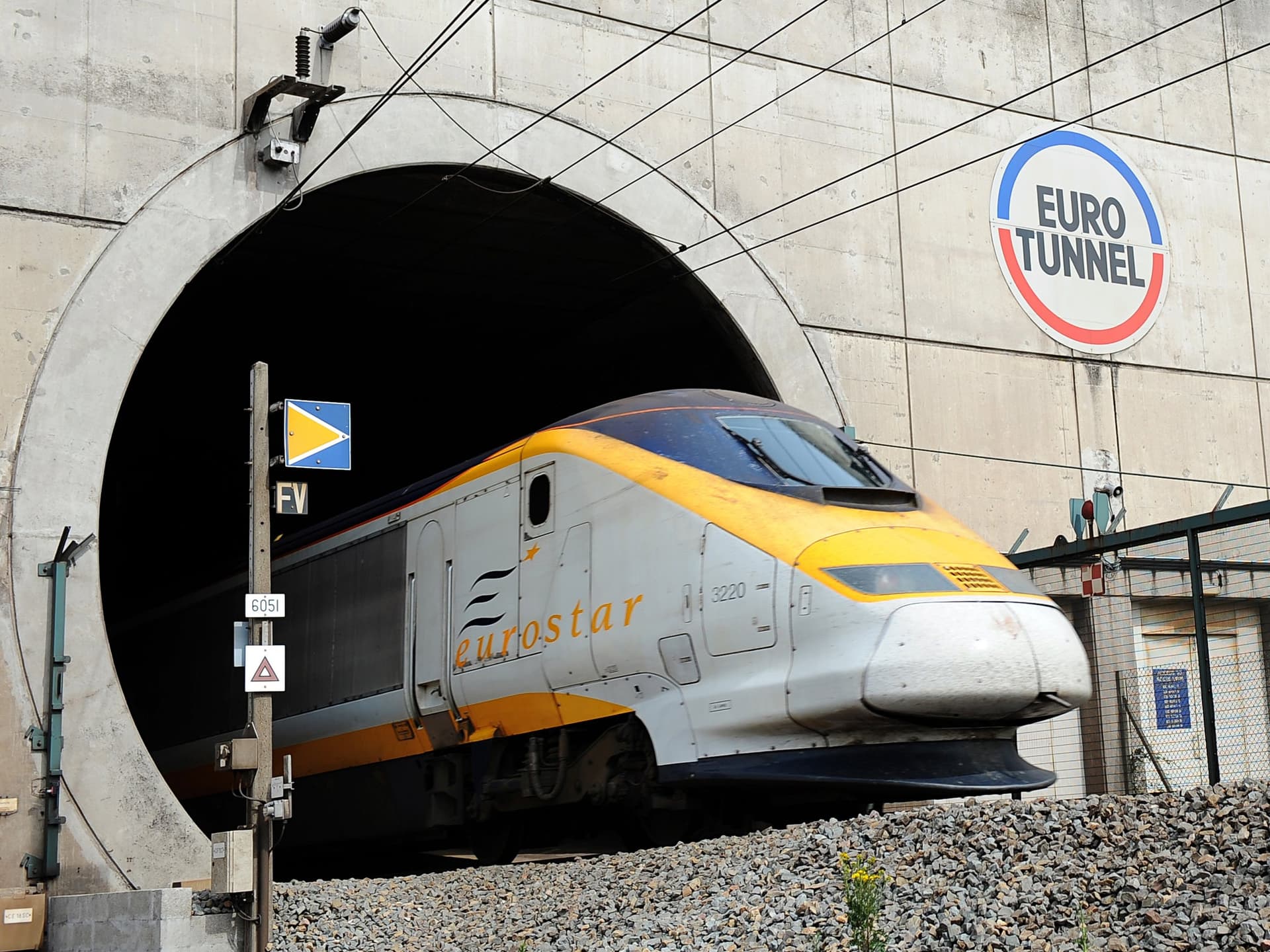
An overhead power-supply fault inside the Channel Tunnel on Dec. 30 forced the immediate suspension of Eurostar passenger services between London and continental destinations and halted the LeShuttle vehicle shuttle between Calais and Folkestone. The outage escalated when a LeShuttle train became immobilized in the tunnel, reducing capacity until the stalled train was moved and cleared. Operators said the shuttle began to resume very gradually on one track shortly before 15:00 local time (14:00 GMT) on Dec. 30, and engineers worked through the night to restore full service.
Eurotunnel announced on Dec. 31 that the internal power fault had been repaired and that trains were running in both directions after the multi-hour shutdown. Despite that restoration, Eurostar and LeShuttle cautioned that recovery was gradual and that significant delays and cancellations would persist into the early hours of the New Year. Thousands of passengers were left stranded when services were suspended at a peak travel moment as tens of thousands of people were moving for holidays and family reunions.
Operationally, services that resumed after the repair ran alternately in both directions, constraining throughput and forcing operators to deploy additional shuttles to boost capacity overnight and into Dec. 31. Road congestion near the LeShuttle terminal on the M20 at Folkestone eased only after partial rail service was restored, but travel advisers warned that the backlog of vehicles and passengers would take many hours to clear. Operators confirmed that none of the LeShuttle passengers were trapped inside the tunnel after the power failure.
The disruption highlights the economic sensitivity of a single piece of cross-border infrastructure. The Channel Tunnel is a critical artery for passenger travel and vehicle movements between the United Kingdom and continental Europe; interruptions at a busy travel moment can produce immediate consumer losses from missed connections, hotel cancellations and altered plans, and can raise short-term logistics costs for freight companies that rely on rapid, scheduled crossings. For rail operators, cancellations and rebooking obligations carry direct revenue and cost implications; Eurostar advised customers to rebook with free exchanges to mitigate disruption.
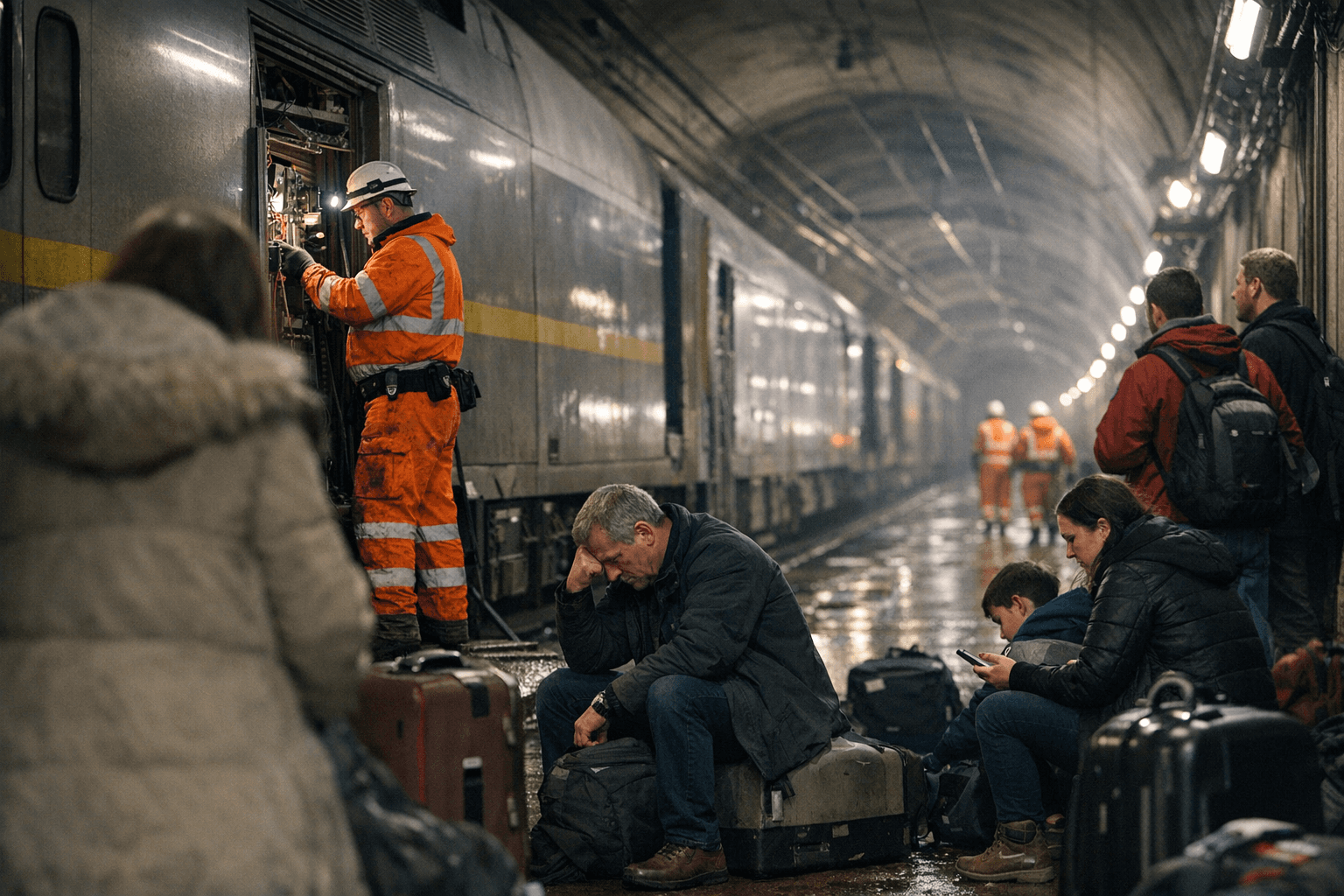
Beyond immediate losses, the incident raises policy and investment questions. Engineers worked overnight to repair overhead lines and clear stalled rolling stock, but operators and regulators will face pressure to review redundancy in power supply systems, contingency capacity, and joint UK-EU coordination for tunnel operations. As cross-Channel travel volumes have recovered since pandemic lows, structural resilience and maintenance of critical electrical infrastructure will be necessary to prevent similar disruptions during other peak seasons.
For travelers, the immediate practical outcome was clear: while normal running was restored by Dec. 31, lingering delays and cancellations meant many New Year journeys remained affected, and operators urged passengers to check bookings and expect phased recovery over the following day. The episode underscores how concentrated infrastructure risks can translate quickly into wider economic and social costs across borders.
This article was produced by Prism’s automated news system from verified source data, official records, and press releases, then run through automated quality and moderation checks before publishing. The system is built and supervised by the people who set the standards it runs under. Read our full AI policy.
Did this article answer your question?


