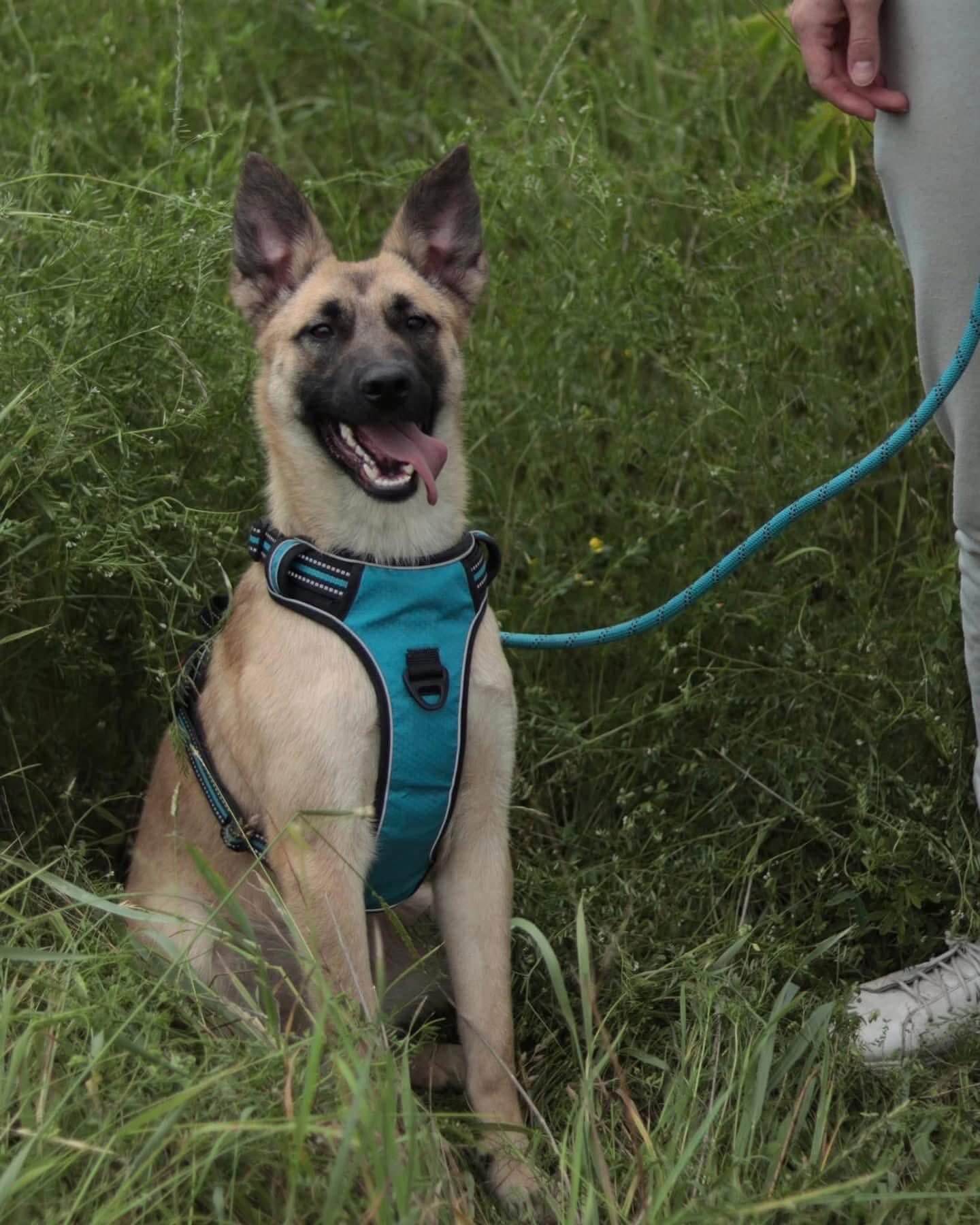
Channeling High-Energy Dogs into Agility, Flyball and Canicross
Not every dog needs a ribbon—DogTuff notes every dog gains confidence, mental stimulation and purposeful movement from agility; check vet advice on growth plates before jumping in.
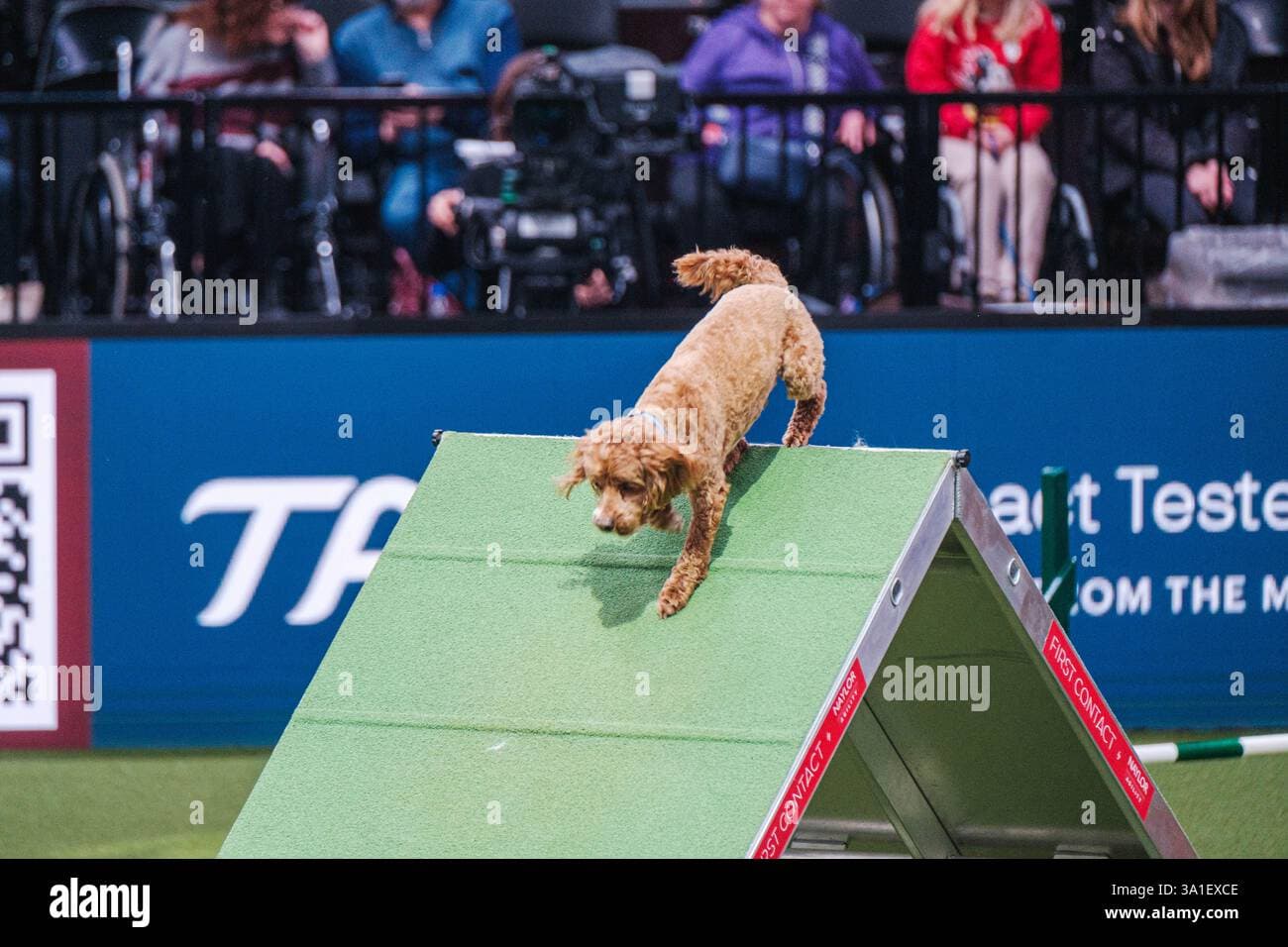
Not every dog needs a ribbon—but every dog benefits from: Confidence, Mental stimulation, Purposeful movement, reads DogTuff brand copy, and that sums up why agility is top of the list for channeling hyperenergetic dogs. The material used for this article concentrates on agility; explicit training details for flyball and canicross are not included in the available sources, so this piece focuses on safe, practical starts for agility while flagging gaps readers should follow up on locally.
“Dog agility is a sport where dogs navigate an obstacle course—think tunnels, jumps, weave poles, and platforms—guided by their handler using cues and body language,” DogTuff explains, and Us Tug-e-nuff adds that agility courses can be created at home for fun or trained for shows up and down the country. The obstacles named across the notes include tunnels, jumps, weave poles, seesaws and platforms, and both brand and AKC materials stress that early training emphasizes fundamentals rather than speed.
Deciding if your dog is a candidate starts with temperament and basic obedience. Us Tug-e-nuff notes competitors must be motivated and focused and that “self-control” is learned through games like tug; the AKC e-book adds that “Basic obedience commands are important to learn before starting agility so the dogs can be comfortable, focused and under control.” Vitalvet also reminds owners that agility is about bond-building and that you don’t need trophies to enjoy the sport.
Growth and joint safety are non-negotiable. The AKC e-book’s safety heading — “SAFETY LOW AND SLOW” — sets the tone: start everything low and slow until the dog is proficient, then slowly move up. For explicit age guidance, 3lostdogs gives ranges: “For small dogs, joint maturity is at about one year old. For larger dogs, 18 months to two years. Check with your vet before you start agility training.” The AKC and 3lostdogs both counsel consulting a veterinarian before beginning full-height jumps or contact obstacles.
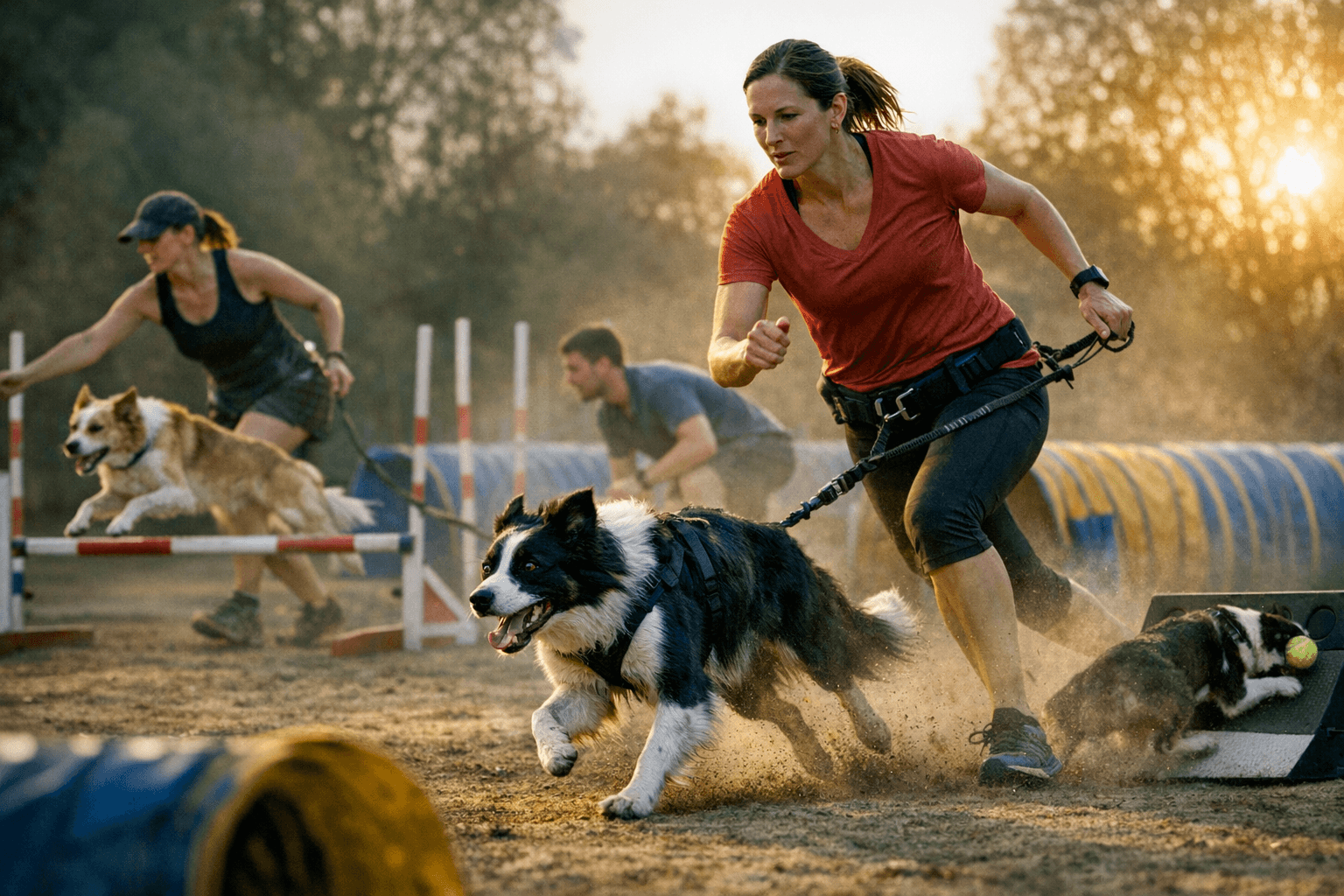
Practical safety and class etiquette are repeatedly spelled out. DogTuff advises to “Use non-slip surfaces” and to “Never force an obstacle,” while Vitalvet bundles operational tips: “Remember to start off your agility training for dogs very slowly and once your canine has mastered the course you can work on his speed and accuracy or even add more obstacles. Make sure you provide plenty of water for your dog, it will be thirsty work! And the most important tip? Give him lots of praise for all the awesome tricks he’s learned!” Vitalvet also recommends arriving well before class so you can walk the course, and to “bring a doggy poop plastic bag to pick up any ‘deposits’!” Many classes work on rewards, so Vitalvet cautions against feeding your dog before class except for a very light snack.
Equipment and motivation tools run the gamut from DIY to branded gear. 3lostdogs points readers to Affordable Agility as a place to buy durable, inexpensive equipment and lists “Build Your Own Agility Equipment – Instructions for simple PVC pipe equipment” and “Just for Fun Agility” as DIY options. For toy-driven motivation, Us Tug-e-nuff prescribes a tug progression: “First, start the game, and then ask your dog to stop/leave the toy before rewarding them again with a quick game. Start with a lower-value toy, and build up to playing with your dog’s favourite tug toy!” DogTuff’s brand copy urges owners to “Choose toys made from safe, non-toxic materials” and markets its approach with lines such as “Chew Smart. Chew Safe” and “No toxins. No mystery materials. Just safe fun.”
Agility also delivers behavior wins: 3lostdogs says, “Agility gives you something cool to do with your dog,” and Vitalvet notes it can correct undesired behavior by providing focused mental work. For inspiration, DogTuff points to Westminster Week as a spur for dreaming big, and Vitalvet suggests trading tips with other owners at classes. Finally, note the limits of this coverage: the supplied material does not include step-by-step plans for flyball or canicross, no sample 8-week beginner plan was provided, and numeric AKC jump-height tables are not present here — and 3lostdogs reiterates the last practical reminder: “Check with your vet before you start agility training.”
Know something we missed? Have a correction or additional information?
Submit a Tip